Community Corner
PG&E To Fly Low Over San Rafael To Practice For Power Shutoffs
The helicopter flights are practice inspections meant to make wildfire-related public safety power shutoffs smaller and shorter, PG&E said.


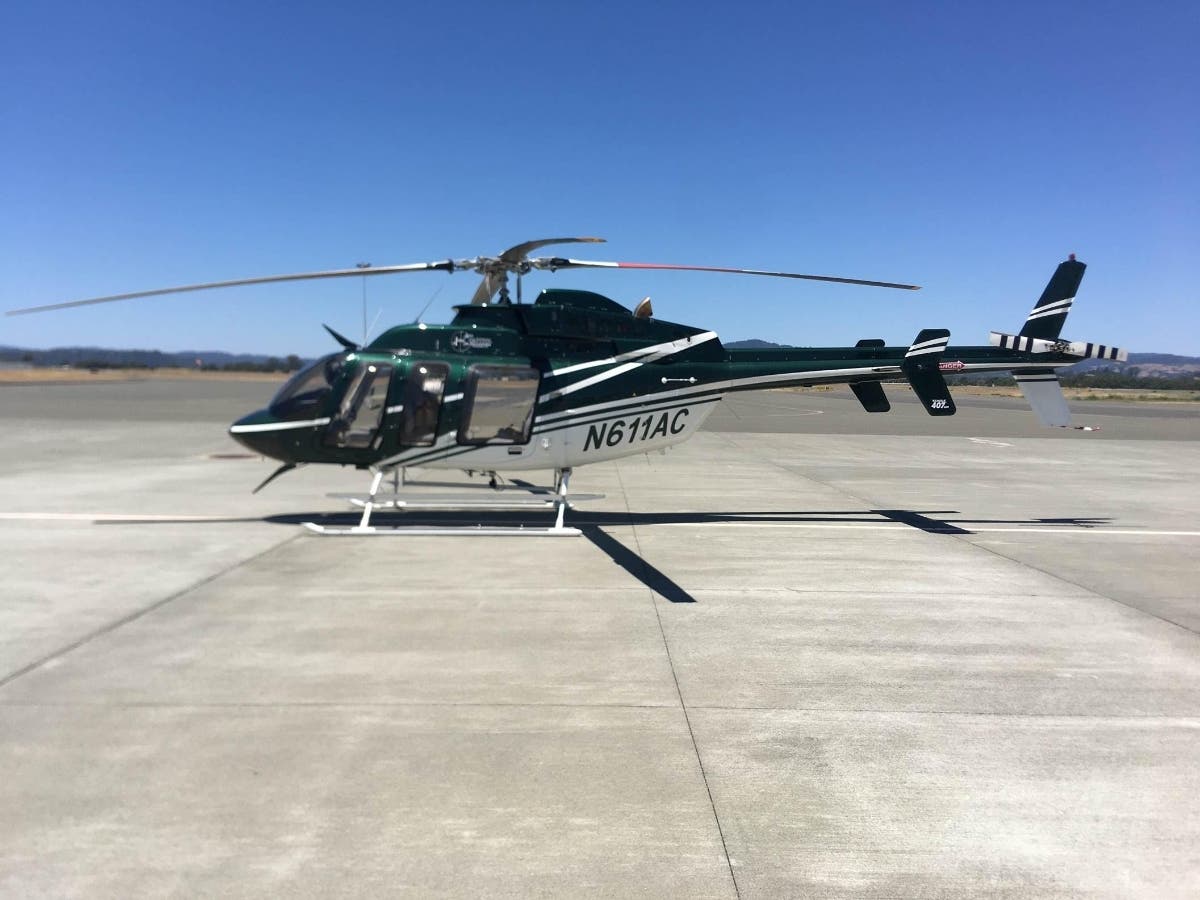
SAN RAFAEL, CA — Pacific Gas and Electric Company is slated to begin conducting pre-inspection helicopter flights this month in Marin County in an effort to improve its Public Safety Power Shutoff program by making events smaller in size, shorter in length and smarter for its customers.
"Through August, PG&E will fly several helicopters along electric distribution lines located throughout the North Bay to practice response during a future PSPS event," PG&E North Bay spokeswoman Deanna Contreras said.
Flights will depart local airports in Novato, Angwin and Napa.
Find out what's happening in San Rafaelfor free with the latest updates from Patch.
Helicopters will fly low, roughly 100 feet, between the hours of 7 a.m. and 5 p.m. Monday through Friday, but not necessarily every day.
Flights are scheduled to begin Wednesday in the areas of Napa, Calistoga, Angwin and St. Helena. Flights are slated to begin July 21 in the areas of San Rafael, Sausalito, Ignacio, Alto, Bolinas, Novato, Greenbrae, Olema and Woodacre.
Find out what's happening in San Rafaelfor free with the latest updates from Patch.
Flight schedules are dependent on weather and other factors, and are subject to change, according to PG&E. Power will not be interrupted during the pre-inspections.
The sole purpose of a PSPS is to reduce the risk of major wildfires during severe weather. Shutoffs are an important tool for keeping customers and communities safe, the utility said, with more than half of the area where its customers live and work now at high risk for wildfires.
PG&E said turning off power can prevent wildfires, but it also disrupts lives and can include its own risks, particularly for those who need power for medical equipment.
"That's why PG&E's goal this year is to reduce the number of customers affected by potential PSPS events by nearly one-third compared to a similar weather event last year and restore power within 12 daylight hours after the severe weather has passed," Contreras said.
During an actual PSPS event, crews will inspect de-energized lines using aircraft, vehicles and foot patrols to identify and repair damage before restoring power.
Get more local news delivered straight to your inbox. Sign up for free Patch newsletters and alerts.