Neighbor News
Federal transportation bill provides down payment for Los Angeles infrastructure
James de la Loza of HNTB says more is needed to achieve long-term sustainable transportation funding
OPINION
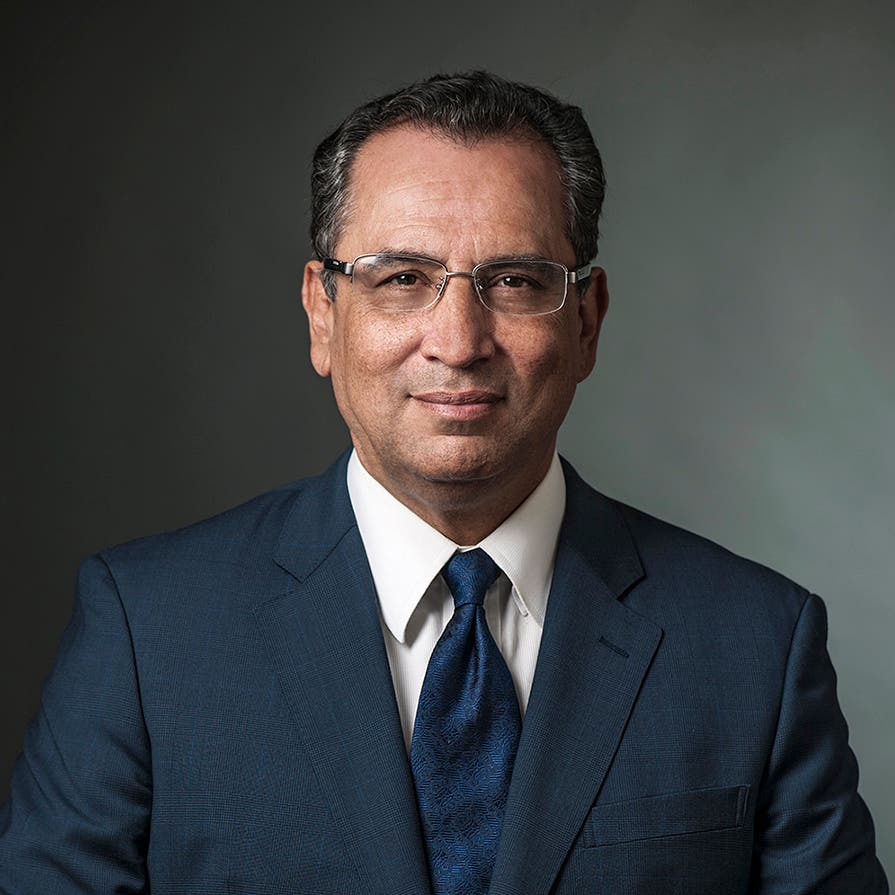
by James de la Loza, HNTB Corporation
The delivery of a long-term federal transportation funding package took many by surprise, even though it had taken a decade to arrive. Signed into law on Dec. 4 by President Obama, the Fixing America's Surface Transportation (FAST) Act is poised to provide needed funding to maintain, modernize and expand our nation's transportation infrastructure.
Find out what's happening in Santa Monicafor free with the latest updates from Patch.
Undoubtedly, it's a substantial down payment, but the $305 billion it provides falls short of the needs in the Los Angeles area and other urban regions that have extensive multimodal systems requiring major repair and expansion.
While the need for long-term funding is acute, transportation agencies such as the California Department of Transportation, Alameda Corridor East, the Los Angeles County Metropolitan Transportation Authority (Metro) and others are positioned to benefit.
Find out what's happening in Santa Monicafor free with the latest updates from Patch.
Metro could receive approximately $600 million in funding from the FAST Act over the next federal fiscal year to enhance mobility for Los Angeles County’s ten million residents. The FAST Act can deliver hundreds of millions of dollars to Los Angeles County this year to build our growing rail system, including the extension of the Purple Line to West Los Angeles and the 1.9-mile regional connector in downtown Los Angeles.
It’s a good start, but not nearly enough to achieve this region’s long-term sustainable transportation funding, which the Southern California Association of Governments estimates to cost approximately $140 billion.
We must rise to the challenge of maintaining our existing infrastructure, even while we plan and build for the future. It falls to all of us -- industry experts, political leaders, state transportation officials and communities -- to sustain the FAST Act's welcome new momentum. The bill provides stability for the next five years, but the next authorization needs to provide for significant growth so our nation can keep pace with the global economy.
While we await a more robust bill, we can nonetheless be grateful for the benefits the FAST Act brings. Among them:
• Greater funding predictability for states. With its five years of guaranteed funding, the nation's transportation professionals can count on a predictable flow of federal money as they envision, plan, design and build infrastructure.
• Strengthened freight funding and strategy. New or expanded infrastructure improvement programs will ease the movement of freight, which will boost economic growth and strengthen global competitiveness. This benefits the movement of goods at the ports of Los Angeles and Long Beach and has a direct benefit on our region’s economic viability.
• Acceleration of disruptive technologies. The FAST Act will provide substantial grants for new technologies that can cut traffic congestion and improve safety. In Los Angeles for example, decision-makers are looking at how autonomous vehicles have the potential to decrease the need for parking spaces, which take up 14% of our land and allow cars do nothing but sit and occupy space.
While these benefits will help create a stronger, safer transportation system, the FAST Act's modest funding isn't sufficient to keep up with the deterioration of our aging infrastructure. Local support is needed to fill in the gap.
Metro is looking for solutions to ease traffic sooner rather than later through a potential ballot measure for the November 2016 election. It would involve an additional half-cent sales tax and look to extend the Measure R half-cent sales tax until 2057 to pay for more transportation projects more quickly. It is critical that residents support future local efforts at the ballot box.
With a sense of cooperation and a commitment to greater investments, Angelenos can enjoy the economic vitality, mobility, safety and quality of life that a world-class transportation system provides.
# # #
James de la Loza serves as West Division vice president for HNTB Corporation. He has 32 years of experience in planning and implementation of transportation projects in California and across the United States, including a decade-long tenure as chief planning officer for the Los Angeles County Metropolitan Transportation Authority.