Schools
Drati 'Deeply Skeptical' Of Malibu School Separation Plan
The SMMUSD Superintendent sent Malibu a letter criticizing the city for abandoning their separation negotiations.


MALIBU, CA —Divorces are rarely easy.
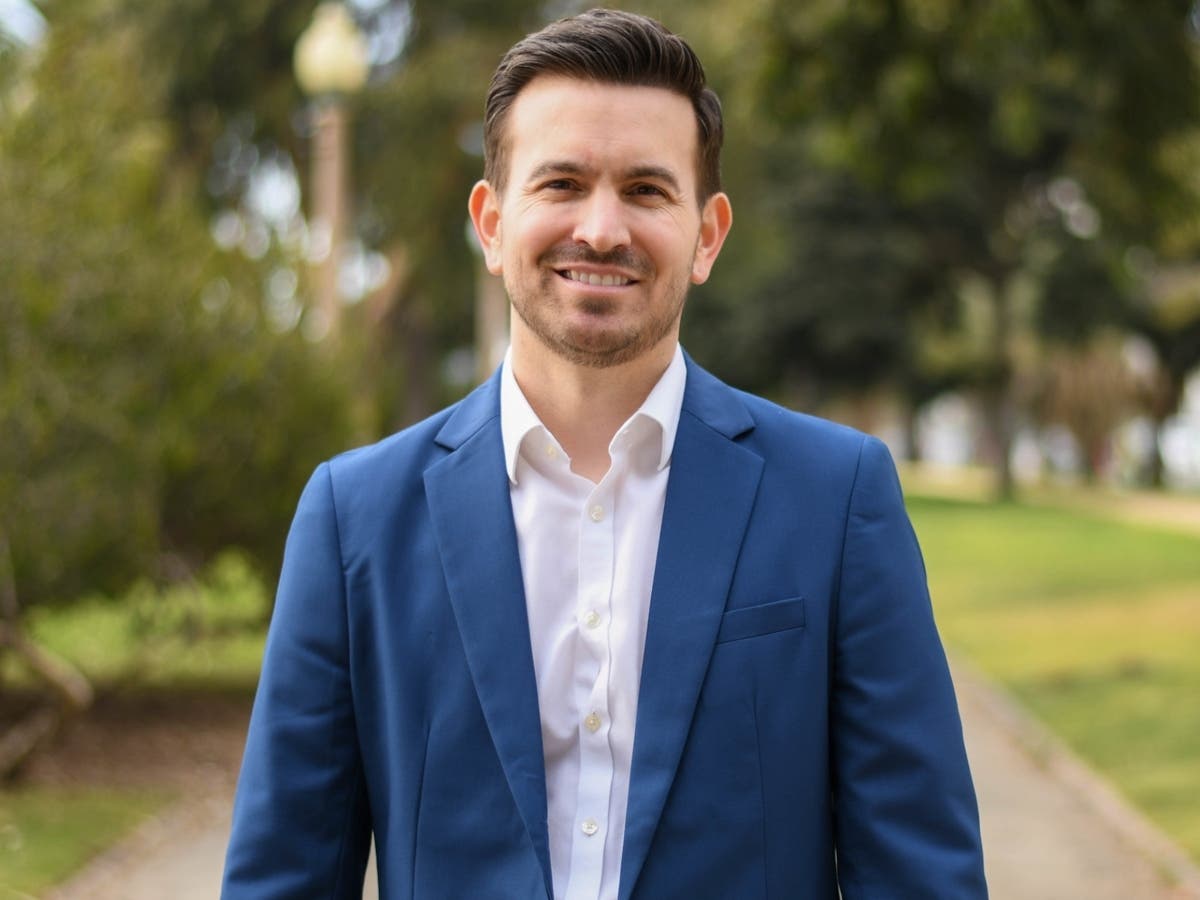
On Wednesday, Santa Monica-Malibu Unified School Superintendent Dr. Ben Drati sent Malibu City Manager Reva Feldman a letter expressing his frustration over the Malibu City Council’s unanimous Oct. 12 decision to halt separation negotiations and instead resend a 2017 petition for an independent school district to the Los Angeles County Office of Education.
“We are disappointed in what appears to be a retreat to a position we thought we had all moved beyond in our discussions. We are deeply skeptical of what we’ve seen thus far,” Drati wrote.
Find out what's happening in Santa Monicafor free with the latest updates from Patch.
Drati voiced concern over projections presented at a Malibu City Council meeting that a separation would result in unequal funding for independent Santa Monica and Malibu districts.
“Their consultants’ projections show Malibu starting at $16,494 per student, while students in Santa Monica would be funded at $13,592,” Drati wrote. “Based on the Malibu formula for revenue growth, in year five, Malibu students will receive $25,998 per student, while Santa Monica per student funding will be $14,264: a five-year growth rate of 58% in Malibu vs 5% in Santa Monica.”
Find out what's happening in Santa Monicafor free with the latest updates from Patch.
At a public hearing in Malibu Wednesday night, consultants disputed this claim. School business management consultant LaTanya Kirk-Carter said that each district has its own Local Control Funding Formula and different criteria controlling per-pupil funding.
Financial consultant Cathy Dominico said that per-pupil funding would increase in Santa Monica because it would keep all its local taxes but have fewer students to educate.
In the letter, Drati also questioned why Malibu, which has been negotiating with the board since April 2018, has decided to break off negotiations and reinstate the petition during the COVID-19 pandemic. He also reported that the district’s consultants and staff are preparing a response to Malibu’s petition in preparation for an upcoming LACOE hearing.
Malibu has been attempting to form an independent school district for many years, and the issue remains an important topic in the current Council elections. All candidates support an independent district, and the current City Council has listed it as one of their top priorities, behind public safety and Woolsey Fire rebuilding.
On Aug. 31 2017, the city filed a petition to separate from the district, arguing that the two communities are far apart, both geographically and culturally, and as a result many parents in greater Malibu have expressed desire for their own district. The petition also takes issue with the school board’s at-large elections, which are required by the Santa Monica city charter. Because Malibu’s population is only about 15 percent of Santa Monica’s, it is perpetually under-represented on the seven-member board. There is currently only one board member, Craig Foster, sitting on the SMMUSD Board. In the current SMMUSD race, no candidates are from Malibu.
On Apr. 9, 2018, the city sent a letter to LACOE asking for formal acceptance or rejection of its petition pending negotiations with the district. According to Rick Mullen, a Malibu councilmember who serves on the council’s ad hoc school separation committee, two-year-negotiations broke down in March when the board rejected special legislation protecting parcel tax legislation they had previously insisted upon.
“We are disappointed in the SMMUSD negotiations but are encouraged by the work that has been done and are very excited to be moving the City’s petition for unification of a Malibu Unified School District forward,” Mullen and Malibu Councilmember Karen Farrer, the other member of the school separation committee, said in a statement.
But it won’t be easy. At the Wednesday night town hall, Malibu Deputy Attorney Christine Wood explained that LACOE must first grant the petition. If LACOE grants initial approval, public hearings must follow. Then LACOE would grant a final approval to send it to the state, and if the state approves, it would come back to voters for a final vote
“This is really a long process. I just want to make sure we’re giving everyone an understanding that this can really take a very long time,” said Wood, noting that some school district unification processes have taken up to 20 years.
However barring legal challenges - which based on Drati’s letter seem possible - Wood said Malibu could have its own district within four or five years.
Hearing attendees also asked if Malibu has enough students for a district to be feasible. Currently, Malibu has 1,500 students, and enrollment is declining thanks to a mix of the Woolsey Fire and increased private school competition.
Dominico said that she believes a Malibu district could still be financially independent and offer adequate programming even if enrollment continues to slide.
“Even though we don’t technically meet that 1,500-student threshold based on projected enrollment using historical trends, it is reasonable to suspect that we can substantially meet the intent of that criteria,” Dominico said.
She also said that some families may return to an independent district.
With so many uncertainties, only one thing is sure: this saga is far from over.
Get more local news delivered straight to your inbox. Sign up for free Patch newsletters and alerts.