Politics & Government
Santa Monica Council Candidate Spotlight: Doug Trussler
Part 7 of 12: Patch speaks with Caroline Torosis as candidates make their case for three Santa Monica City Council seats this November.


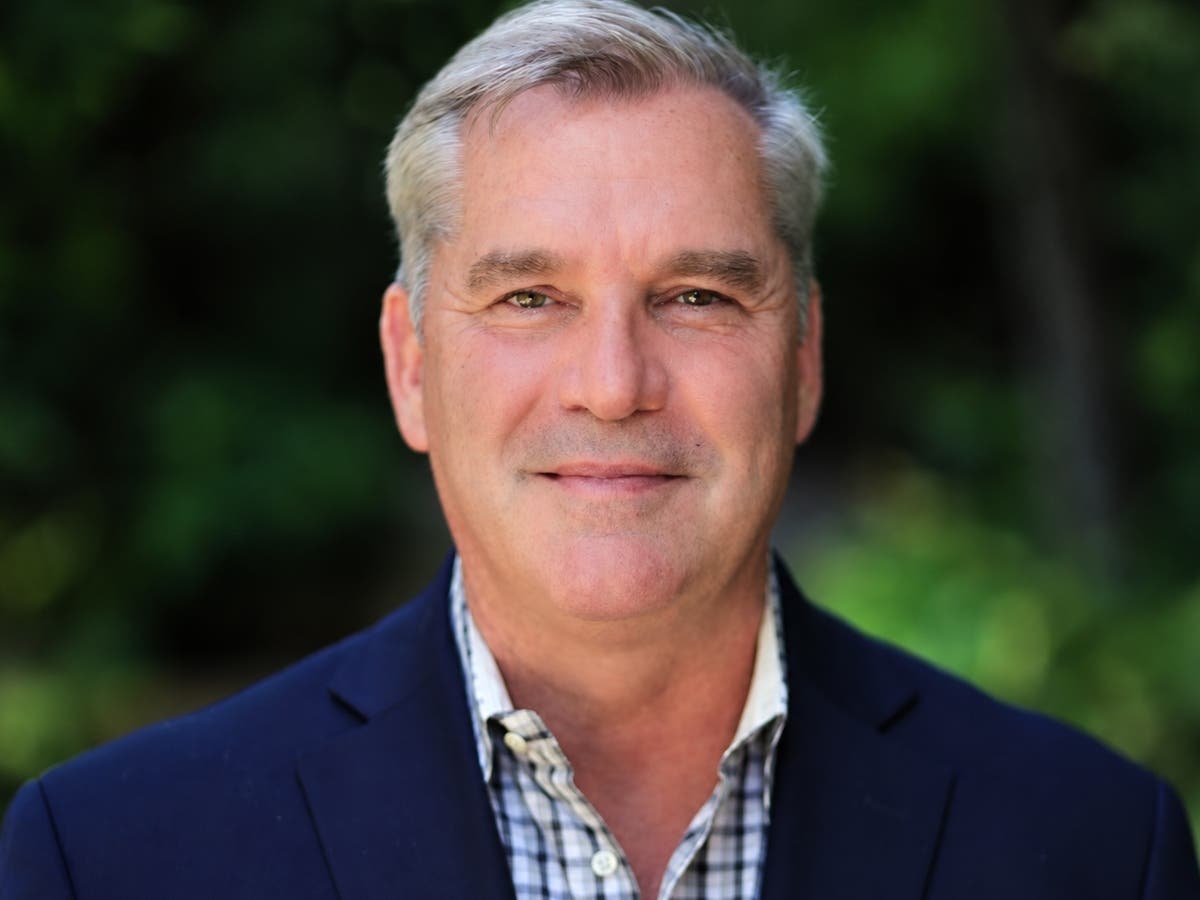
SANTA MONICA, CA — Doug Trussler was born in Tanzania to Canadian parents working in international development and spent much of his childhood in Lesotho before moving to Canada, where he attended school in Ontario and Calgary.
He studied business administration at the University of Western Ontario, including an exchange at Yonsei University in South Korea, before beginning a career in investment banking. An unexpected job transfer took him to New York, where he spent a decade before moving to Southern California in 2001.
Today, Trussler runs an investment management firm that provides capital to growing and financially distressed businesses. He says the firm manages approximately $2 billion for institutional investors, and he has served as interim chief executive at companies undergoing restructuring.
Find out what's happening in Santa Monicafor free with the latest updates from Patch.
Trussler lives north of Montana Avenue with his wife, Blythe, and their two sons, ages 16 and 11. A former Canadian youth international rugby player, he also coaches youth sports and approaches his first City Council campaign with an emphasis on financial management and economic recovery.
What is Santa Monica getting wrong about homelessness today, and what would you do differently?
We've spent decades managing homelessness rather than solving it. We fund numerous organizations and services, including county programs, but have too little control over outcomes and insufficient data to evaluate what's working.
Find out what's happening in Santa Monicafor free with the latest updates from Patch.
I volunteer at a mission, so I've seen how complicated these challenges are. My eight-point plan incorporates approaches being used in San Francisco and San Jose, alongside measures specific to Santa Monica involving the beach, Metro and greater city control over results.
What measurable result would convince you that a city-funded homelessness program is working, and what result would cause you to stop funding it?
My target would be a 30 to 40 percent reduction in homelessness. Santa Monica has a higher rate per capita than neighboring cities such as Culver City, Beverly Hills and Manhattan Beach, although our transportation connections and concentration of services create different circumstances.
We need to reduce the number of people coming into Santa Monica while helping those already here. Without a credible strategy capable of achieving that reduction, I'd consider the approach unsuccessful.
What should happen when someone living on the street repeatedly refuses an offer of shelter, treatment or services?
We need a tougher-love approach. If appropriate shelter and treatment services are available, people shouldn't simply continue sleeping outside indefinitely.
But putting people in jail without meaningful treatment isn't a solution either. My philosophy is to enforce access to treatment rather than merely punish homelessness.
Quick-fire: What’s your default karaoke song?
"Born to Be Wild" by Steppenwolf. I've got a big baritone voice, so it works.
Quick-fire: What song or band makes you crank up the volume in the car?
U2. I've always been a big fan.
Santa Monica Airport is scheduled to close at the end of 2028. What, specifically, do you believe should replace it?
I'd like a park, provided Santa Monica can afford it without jeopardizing city finances, with substantial youth sports facilities capable of attracting teams from across Southern California. My family regularly travels considerable distances for soccer, and we should be bringing other teams here instead.
Keeping the land largely undeveloped would also preserve flexibility for future generations. Fifty years from now, we might need space for water treatment, power infrastructure or technologies we haven't anticipated. Once housing is built there, those options become much harder.
The airport site is roughly 192 acres and converting it will be enormously expensive. How much should Santa Monica taxpayers be expected to pay for the project, and where should the rest of the money come from?
I envision three funding sources: city participation, private philanthropy and tax-increment financing.
The benefits would extend into neighboring Los Angeles communities and Los Angeles County, so those jurisdictions should contribute. Tax-increment financing could capture future increases in property tax revenue to support infrastructure bonds, while philanthropic families with longstanding Santa Monica connections might also participate.
The financial model must work before we commit. This is precisely the kind of complicated financing challenge where experience matters.
Quick-fire: What’s your guilty-pleasure TV show?
"Lioness" on Paramount+ as I particularly like its strong female characters.
Quick-fire: When was the last time you took public transport and where was it to?
I use the bus and Metro when going downtown for hockey games. I'll take the bus to the 17th Street station and then the train. It's easier than driving into downtown Los Angeles and finding parking.
What is the single most important thing City Hall can do in the next two years to bring businesses and residents back to Third Street Promenade?
We need measurable targets for reducing crime and homelessness, followed by evidence that we're achieving them. That would give businesses confidence to return.
I'd also consider having the city master lease prominent corner storefronts along the Promenade, giving it greater influence over which businesses occupy strategically important locations and creating a more coherent retail environment.
Local residents currently account for too little downtown spending. We need to make the Promenade somewhere Santa Monicans want to shop again rather than heading to Century City.
Is downtown Santa Monica fundamentally suffering from a public-safety problem, a business-model problem or a development problem, and what role should new housing play in its recovery?
All three. I estimate downtown has lost between 5,000 and 7,000 workers as businesses and tourism have declined. Residential development is probably the quickest way to replace that foot traffic.
More residents would support restaurants, coffee shops and retailers throughout the day. Combined with reduced homelessness, that would change how downtown feels and functions.
We must also address problems around Metro stations. The city cannot afford another decade responding to conditions that need attention now.
Quick-fire: Who would you most hate to be stuck in a lift with?
Donald Trump.
What’s your most irrational superstition or habit?
I have a cottage in northern Ontario that I think is the most beautiful place in the world. Even when the bugs are terrible and the water's freezing, I still think it's spectacular.
My wife says there are about four wonderful weeks each year and the other 48 are miserable. I simply can't see it that way.
Does Santa Monica have a revenue problem or a spending problem, and if finances deteriorate, what specifically would you be prepared to cut or change?
Both, although revenue is my immediate concern. Sales tax revenue may be approaching its bottom, but hotel-related revenue remains vulnerable as tourism struggles.
I estimate the city's transient occupancy tax generates roughly $75 million, with additional spending by hotel visitors contributing substantially more. Further financial difficulties for hotels could have significant consequences for the general fund. I'm also concerned about potential business departures. Based on information I've received, I believe Santa Monica could lose approximately 15 percent of its business tax revenue over the next 12 to 18 months.
On spending, we cannot continue allowing expenses to grow by 5 or 6 percent annually. I wouldn't necessarily begin with cuts, but we must control that growth and understand where revenues are heading.
Who was your childhood hero?
Soccer players, particularly Pelé and the Italian players who won the 1982 World Cup.
What’s the most recent book you gave up on, and why?
One of the sequels to "The Pillars of the Earth" by Ken Follett. I can't remember which one. Between work, family and campaigning, I ran out of time.
Has Santa Monica gone too far, not far enough or roughly the right distance in redesigning streets around bicycles and pedestrians, and would you support removing or substantially redesigning a project that was shown to create new safety or access problems?
I want reliable data showing whether these projects are working. I've seen competing safety claims, but insufficient evidence demonstrating how much additional bicycle use we're generating.
I enjoy cycling, although coaching soccer and transporting equipment and children makes it impractical at times.
Before investing further, we should measure usage, safety and whether the expenditure is justified. If projects aren't delivering their intended benefits, we should reconsider them.
What’s the worst job you’ve ever had?
Cleaning underground gasoline storage tanks. My father arranged it to teach me what I didn't want to do for the rest of my life.
We removed sludge, sandblasted the interiors and applied fiberglass coatings in incredibly unpleasant conditions. It was hot, filthy and exhausting. The lesson worked.
What completely different job would you secretly love to do?
Coach a professional sports team. I enjoy motivating people and finding the right combination of individuals to achieve something together.
Santa Monica faces major decisions over the future of both the Civic Auditorium and Bergamot Station. What should happen to each, and how much should preserving their existing cultural uses influence those decisions?
The Civic Auditorium presents an enormous economic opportunity. I appreciate its historical significance, but Santa Monica's finances mean we must prioritize uses that generate revenue.
I'd explore entertainment and convention facilities capable of attracting visitors and supporting our hotels. Smaller conventions could be particularly valuable, and redevelopment should require as little city funding as possible.
Bergamot Station is more complicated. I don't know the site well enough to prescribe a definitive solution, but I believe it's underutilized. I'd explore ways of combining its arts identity with additional activity, potentially including housing, although downtown remains my preferred location for substantial residential development.
When did you last do something for the very first time?
Knocking on doors for this campaign. I've visited roughly 1,500 homes. It's been humbling, but valuable because you hear directly from residents.
Do you have any tattoos?
No.
Should Santa Monica continue challenging state housing mandates, or accept that Sacramento has largely removed the city's discretion and concentrate on deciding where new housing goes?
We should evaluate our legal options, but I don't want Santa Monica leading expensive challenges we're unlikely to win.
We should be strategic about protecting existing neighborhoods while concentrating housing where it can benefit the city, particularly downtown.
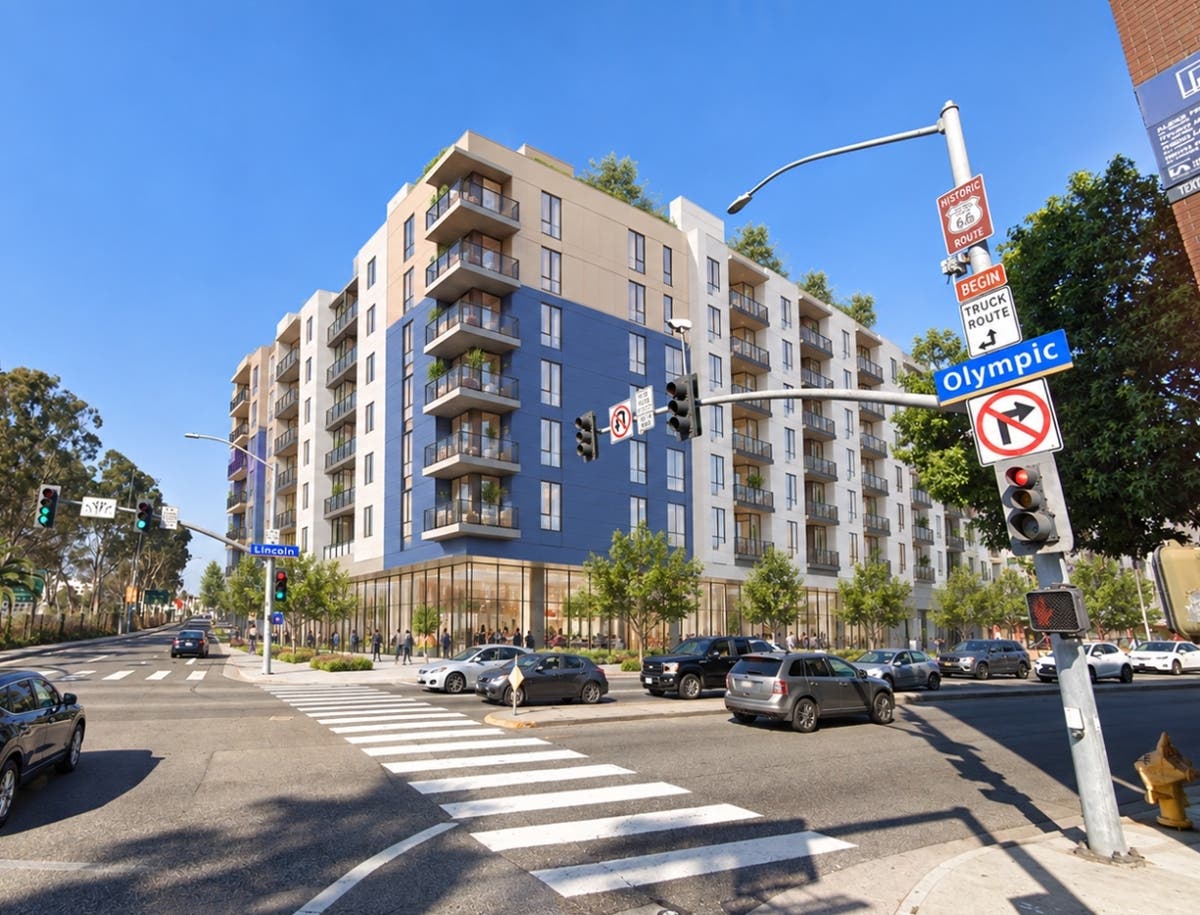
Does Santa Monica need substantially more housing, and if so, where should it be built? Would you concentrate most new development downtown even if that means substantially taller buildings, and what areas should be protected from additional density?
Existing residential neighborhoods should be protected. People have spent their lives saving to buy homes in neighborhoods with particular characteristics, and dramatically changing those environments raises legitimate concerns.
Downtown can accommodate substantial additional housing without necessarily building extraordinarily tall towers, while restoring the population and economic activity businesses need.
Affordability is essential. I estimate some newly built one-bedroom apartments rent for approximately $5,200 monthly. We should aim for something closer to $3,200 to $3,400.
Housing that working people cannot afford doesn't solve our problems. We also need to rebuild investor confidence, because repeated financial losses on development projects could discourage future investment across Santa Monica.
Doug Trussler's campaign website is doug4santamonica.com
The interview has been edited for length and clarity.
Related:
Get more local news delivered straight to your inbox. Sign up for free Patch newsletters and alerts.