Politics & Government
Santa Monica To Count Homeless Monthly As RAND Questions Official Numbers
RAND researchers found significant gaps in LA homelessness counts. Now their methods are coming to Santa Monica.


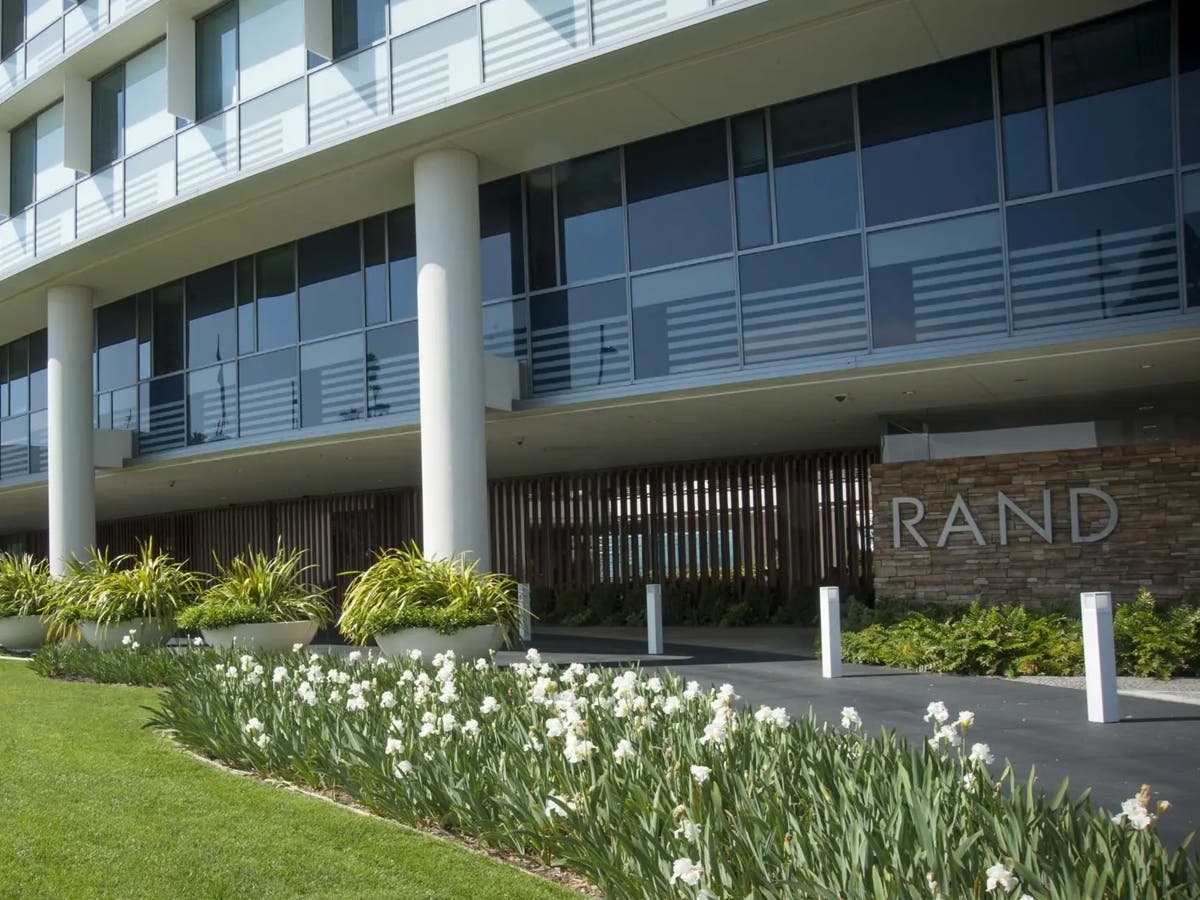
SANTA MONICA, CA — Santa Monica will begin counting its unsheltered homeless population every month under a new partnership with RAND Corporation, adopting a more intensive approach to tracking homelessness after researchers found substantial discrepancies in official counts elsewhere in Los Angeles.
The initiative, announced Wednesday by City Manager Oliver Chi, follows a reported 11.6 percent decline in Santa Monica's overall homeless population this year, with the number of people living unsheltered falling 18.7 percent, according to Chi.
But RAND's previous research in Hollywood, Venice and Skid Row suggests that annual counts may miss significant numbers of people, particularly as homelessness becomes less visible following the removal of large tent encampments.
Find out what's happening in Santa Monicafor free with the latest updates from Patch.
Sarah Hunter, a senior behavioral scientist at RAND, told Patch that the Santa Monica counts will be conducted by experienced professional researchers, most of whom have spent several years identifying people living unsheltered. Working primarily between 10 p.m. and 1 a.m., when people are less likely to be moving around, researchers will survey some neighborhoods by vehicle and others, including the beach, on foot.
"We have two people independently count an area and then compare their values," Hunter said. "If their estimates are off by more than 10%, then they re-count the area."
Find out what's happening in Santa Monicafor free with the latest updates from Patch.
The team will also avoid counting during unusual weather events, such as rain, that could affect the findings.
Why Researchers Question The Annual Counts
The new project draws on RAND's Los Angeles Longitudinal Enumeration and Demographic Survey, or LA LEADS, which tracked unsheltered homelessness in Hollywood, Venice and Skid Row between late 2021 and early 2026. Unlike RAND's professional field teams, the Los Angeles Homeless Services Authority's annual Point-in-Time Count relies heavily on volunteers who receive comparatively limited training, Hunter said.
RAND also avoids using the mobile application employed during the annual count because of concerns about connectivity problems and potential data loss. Although the two methods produced similar estimates in 2022 and 2023, they began to diverge in 2024. In an August commentary, Hunter reported a discrepancy of approximately 26 percent that year, widening to roughly one-third in 2025 and 2026.
She linked the growing gap to changes in how people experience homelessness. As tent encampments have declined, more people have been sleeping in vehicles or outdoors in locations where they are harder to identify.
"We believe that counting people living unsheltered has become more challenging over time with the reduction in encampments and therefore the PIT estimates are missing people that our professional canvassers are able to identify," Hunter told Patch.
However, those findings concern RAND's previous study areas, not Santa Monica. Hunter cautioned that determining whether the city's annual counts have missed people would be difficult without simultaneous surveys using both methods. Santa Monica's 2026 Point-in-Time Count recorded 718 people experiencing homelessness, including those in shelters, compared with 812 in 2025.
However, the city's own figures differ slightly on the reduction in unsheltered homelessness. Chi's Oct. 28 announcement put the decline at 18.7 percent, while an Oct. 15 city update cited 18.1 percent. The reason for the discrepancy was not immediately clear. Whether RAND's new monthly counts reinforce the city's reported improvements or reveal a different pattern remains an open question.
Tracking The People Behind The Numbers
Alongside the monthly counts, RAND will conduct 50 voluntary, anonymous demographic surveys each quarter, approximately 200 annually, to better understand who is experiencing homelessness in Santa Monica and what assistance they need.
The surveys will examine participants' ages, employment and health status, use of services, housing experiences and reasons for coming to or remaining in the city. Researchers will also ask where participants previously stayed and how they arrived in Santa Monica, potentially offering insight into movement between neighboring communities.
Hunter said the funding for RAND's previous LA LEADS project has ended, meaning researchers can no longer conduct simultaneous counts in Venice that might help establish patterns of movement across the Santa Monica boundary.
Monthly counts should nevertheless capture seasonal changes. RAND's earlier research, for example, found that unsheltered populations tended to increase during the summer. The demographic surveys will collect no names, identification numbers or dates of birth, Hunter said.
RAND will share information with Santa Monica as it is collected and plans to publish an annual report, along with detailed neighborhood-level data and its research methodology. Chi said the findings will feed into the city's developing Housing Focused System of Care and public Scorecard dashboard, with monthly activity reports, quarterly analyses and a year-end summary intended to help officials monitor conditions and refine their response.
"We hope this project will help the City of Santa Monica better address the needs of people living unsheltered in the City," Hunter said.
The city has been asked to clarify the partnership's cost, funding source, exact first-count date and timetable for releasing the findings but had not responded by the time of publication.
Get more local news delivered straight to your inbox. Sign up for free Patch newsletters and alerts.