Neighbor News
Steve Farzam, COO @ Shore Hotel, On Common Food Allergies
Food allergies affect more children and adults than one would think. Steve Farzam discusses a few common food allergies and their symptoms.

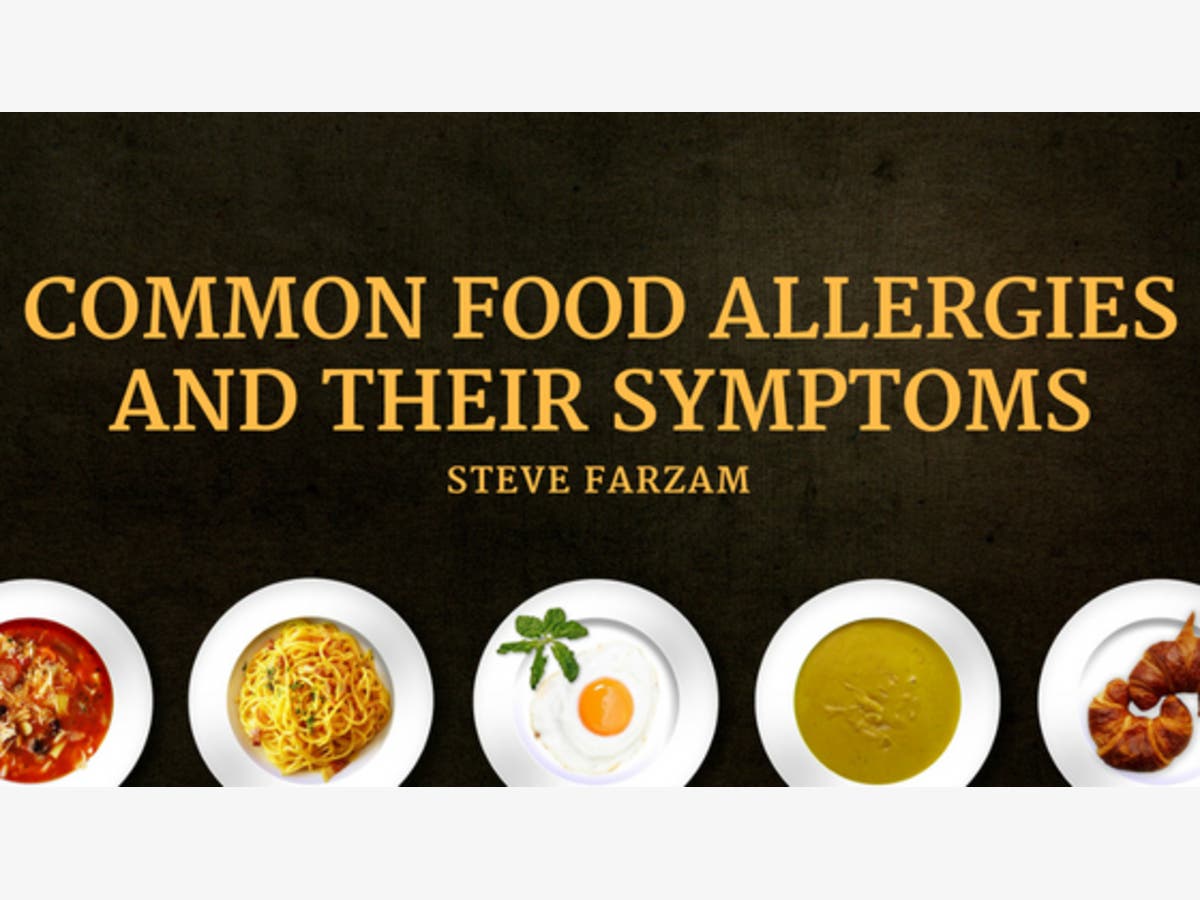

Food allergies, a reaction in the immune system that occurs after eating a certain food, affect between 6 and 8 percent of children and about 3 percent of adults. Just a tiny amount of the food ingested can cause digestive problems, hives, or swollen airways. While some children outgrow their food allergy as they got older, there is no cure for those that maintain the allergy over their lifetime.
It’s important to note that it is easy to confuse a food allergy with a food intolerance, such as lactose intolerance. While a food intolerance can be uncomfortable, it does not involve the immune system and is less serious than a food allergy that has the potential to cause a life-threatening reaction.
In children, common food allergies tend to be triggered by protein and include the following:
Find out what's happening in Santa Monicafor free with the latest updates from Patch.
- Soy
- Cow’s milk
- What
- Peanuts and tree nuts, such as walnuts and pecans
- Eggs
Adults, on the other hand, are triggered by proteins in the form of the following:
- Peanuts and tree nuts
- Fish
- Shellfish, such as crab, lobster, and shrimp
Food allergies cause the immune system to read a specific food or substance in a food as something that will cause harm to the body. In response to this trigger, the immune system will alert cells to release the antibody immunoglobulin, which neutralizes the allergen. This antibody, in turn, will alert the immune system to release a histamine into the bloodstream if the food is ingested again. This creates allergy symptoms, which typically develop within a few minutes to two hours after ingesting the food.
Find out what's happening in Santa Monicafor free with the latest updates from Patch.
The most common food allergy symptoms include the following:
- Feeling dizzy, lightheaded, or faint
- Tingling or itching in the mouth or throat
- Hives, itching, or eczema
- Swelling of the lips, tongue, throat, face, or other parts of the body
- Nasal congestions, wheezing, or difficulty breathing
- Abdominal pain, nausea, vomiting, or diarrhea
There are some cases when a food allergy is life-threatening, triggering a severe allergic reaction. This reaction is called anaphylaxis and the symptoms include:
- Accelerated heart rate
- Feeling dizzy, lightheaded, or fainting
- Tightening or constriction of the airways
- Swollen throat or feeling of a lump in the throat, causing difficulty breathing
- Shock with a drastic drop in blood pressure
In the event someone is going through anaphylactic shock, they must receive emergency treatment as soon as possible. Left untreated, anaphylaxis can cause a coma or even death. With all food allergies, see a doctor as soon as possible and if possible, try to see a doctor when the allergic reaction is occurring to help them make a diagnosis.
Steve Farzam is the COO of Shore Hotel, located in Santa Monica, California. He is a certified paramedic and has previously worked as a flight paramedic in Arizona. Additionally, he taught as a professor of emergency medicine at a local Arizona college. He is passionate about safety, environmentally-friendly procedures and systems, and staying active within the community. To learn more about Steve, visit his website, SteveFarzam.net.