Neighbor News
5 Signs Your Fridge Is Struggling in the Valley Heat
Local expert tips from Sherman Oaks on preventing summer refrigerator breakdowns and keeping your food cool.

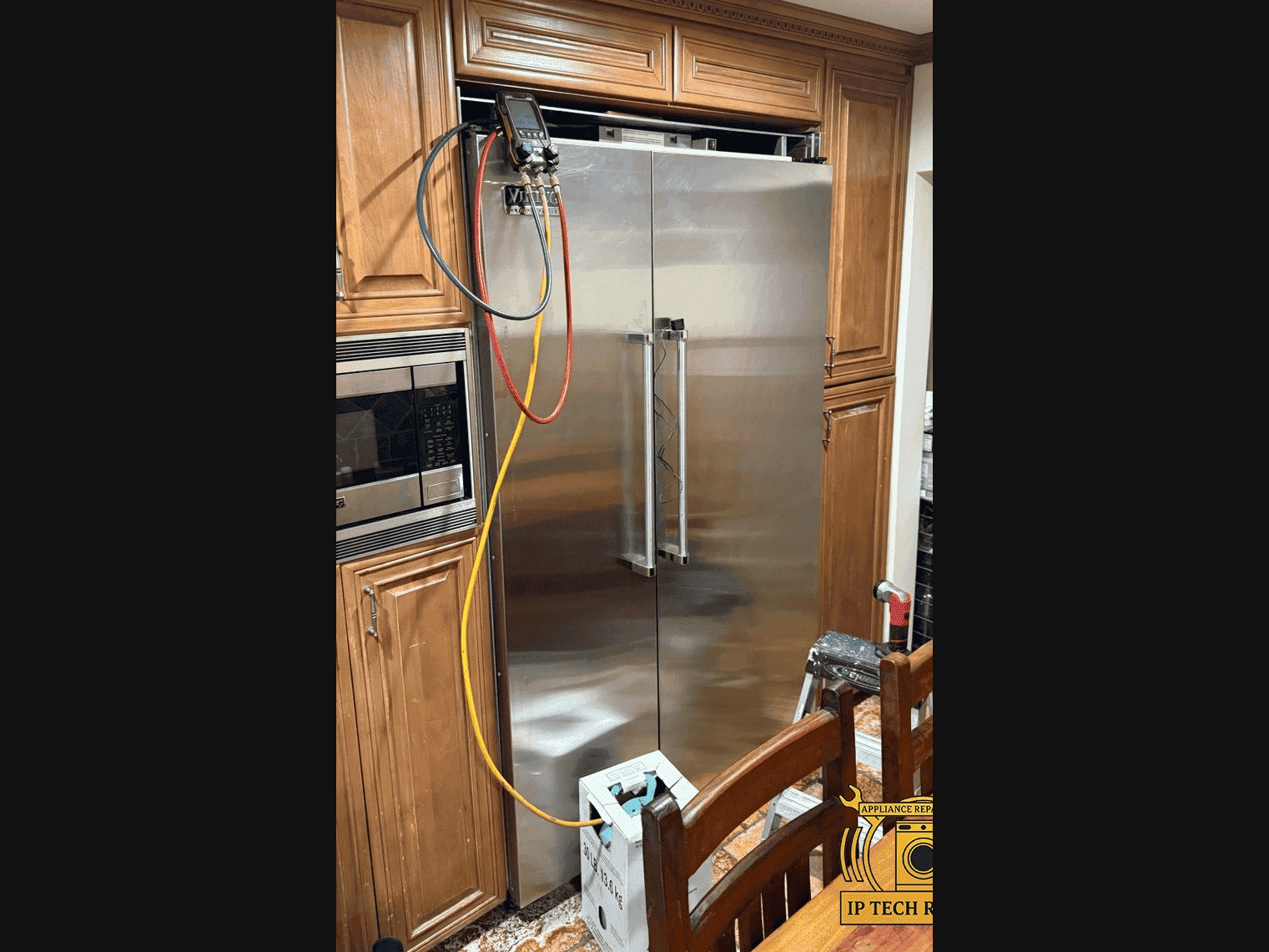
Summer in the San Fernando Valley can be tough on home appliances, especially your refrigerator. When temperatures outside spike into the 90s and 100s, your fridge has to work twice as hard to keep your food at a safe temperature.
As a local appliance repair technician working across Sherman Oaks and the surrounding Valley neighborhoods, I see a sharp increase in refrigerator service calls every summer. The good news? Most major cooling failures can be prevented with a little proactive care.
Here are 5 early warning signs that your refrigerator is struggling, along with quick steps you can take to protect your unit:
Find out what's happening in Sherman Oaksfor free with the latest updates from Patch.
1. Condensation or Frost Buildup inside the Cabinet
If you notice water droplets forming on the interior walls or frost building up near the freezer vents, warm room air is sneaking inside.
• The Check: Take a look at your door gaskets (the rubber seals around the doors). Clean away any grease or food residue with warm soap and water. If the rubber is cracked or torn, it lets warm, humid air in, forcing the compressor to run constantly and leading to ice buildup.
2. The Back or Sides Feel Exceptionally Hot
It’s normal for a refrigerator to feel slightly warm to the touch, but if the cabinet feels hot or the compressor in the back is humming loudly without stopping, the system is overheating.
• The Fix: The most common culprit is dirty condenser coils. Located underneath or behind the fridge, these coils release heat. In households with pets or dust buildup, they get clogged easily. Vacuuming the coils once every six months improves cooling efficiency significantly and lowers your electric bill.
Find out what's happening in Sherman Oaksfor free with the latest updates from Patch.
3. Milk and Vegetables Are Spoiling Too Fast
If your fridge feels cold but food is going bad before the expiration date, the internal air circulation might be restricted, or the temperature sensor is miscalibrated.
• The Fix: Avoid packing your fridge completely full. Air needs space to flow around food items to keep temperatures uniform across every shelf. Make sure bags and containers aren’t blocking the air vents in the back of the top shelf.
4. Clicking Sounds Coming from the Back
If you hear a distinct clicking noise every few minutes followed by the fridge going quiet, the compressor is trying to start but tripping its thermal relay.
• What to do: This usually points to a failing start capacitor or a struggling compressor. If you catch this early, a technician can often replace the inexpensive start component before the compressor itself gets permanently damaged.
5. Ice Maker Running Slowly or Producing Tiny Cubes
When a refrigerator struggles to maintain low temperatures, it prioritizes keeping the fresh food section cool over making ice. Small, hollow ice cubes or a slow ice maker are often the very first indicators of a cooling system pressure drop or a clogged water filter.
---
Local Takeaway:
Before calling for a repair, pull your fridge out a few inches from the wall to give it proper airflow, clear the dust around the bottom vent, and check that the interior vents aren’t blocked by groceries.
If your refrigerator continues to run warm, make loud buzzing noises, or freeze items on the top shelf, feel free to reach out to our team at IP Tech Appliance Repair. We’re located right on Addison St in Sherman Oaks, fully licensed (BHGS #A50325), and happy to assist our Valley neighbors with same-day diagnostic and repair services.
Contact Information:
• Phone / Text: (747) 767-1814
• Website: iphomeappliancerepair.com