Neighbor News
Helping Your Child Feel Ready for Back-to-School: Practical Ways to Ease Anxiety and Build Confidence
As children head back to school, LMFT Ashinee "Ash" Reynolds shares practical ways parents can reduce anxiety and help kids thrive.

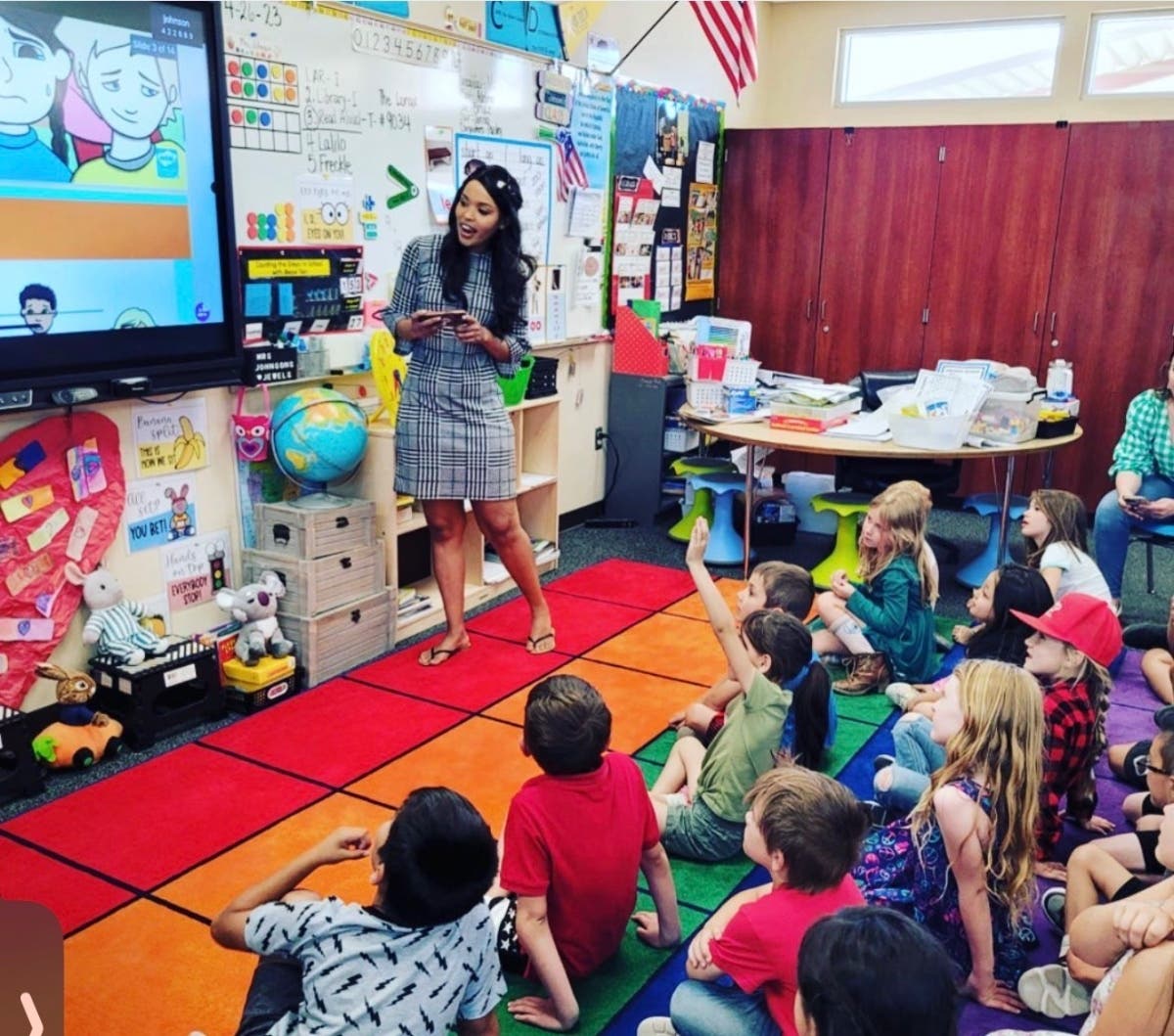
Helping Your Child Feel Ready for Back-to-School: Practical Ways to Ease Anxiety and Build Confidence
As summer comes to an end, many children begin experiencing a mix of excitement, uncertainty, and nervousness about returning to school. Whether your child is starting kindergarten, entering middle school, or simply adjusting to a new teacher or classroom, these emotions are completely normal.
As parents and caregivers, it's natural to want to take those worries away. However, one of the greatest gifts we can give our children isn't removing every challenge, it's helping them develop the confidence and coping skills to face those challenges.
Find out what's happening in Sherman Oaksfor free with the latest updates from Patch.
Here are a few practical ways you can help your child have a successful start to the school year.
1. Normalize Nervous Feelings
Instead of saying, "Don't be nervous," try saying:
Find out what's happening in Sherman Oaksfor free with the latest updates from Patch.
A lot of kids feel nervous before school starts. Sometimes excitement and nervousness feel very similar.
When children realize their feelings are normal, they often become less afraid of them.
2. Start the School Routine Early
A few days before school begins, begin practicing:
- Earlier bedtimes
- Earlier wake-up times
- Morning routines
- Packing backpacks the night before
Predictability helps children feel safe and reduces anxiety.
3. Build a "Confidence Toolbox"
Talk with your child about what they can do if they feel overwhelmed at school.
Some ideas include:
- Taking three slow, deep breaths
- Counting to ten
- Asking a trusted teacher for help
- Talking to a friend
- Using encouraging self-talk such as:
- I can do hard things.
- I've done this before.
- I'll take it one step at a time.
Practicing these skills at home makes them easier to use at school.
4. Focus on Strengths
Children build confidence when adults notice what they're doing well.
Try reminding your child:
- You're kind.
- You're brave.
- You're a great problem solver.
- You work hard.
Confidence grows through encouragement, not perfection.
5. Expect Big Feelings
The first few weeks of school can be exhausting.
You may notice:
- More emotional outbursts
- Irritability
- Fatigue
- Tearfulness
- Difficulty focusing
This doesn't necessarily mean something is wrong. Children are adjusting to new expectations, schedules, friendships, and learning environments.
6. Watch for Signs That Your Child May Need Extra Support
While some anxiety is expected, consider reaching out to a licensed mental health professional if your child experiences:
- Frequent stomachaches or headaches before school
- School refusal
- Persistent sadness
- Panic attacks
- Significant sleep changes
- Withdrawal from friends or favorite activities
- Anxiety that interferes with daily life
Early support can help prevent small concerns from becoming bigger ones.
One Final Thought
Children don't need perfect parents.
They need parents who listen, encourage, and remind them that it's okay to feel nervous while learning something new.
When children know someone believes in them, they begin believing in themselves.
As this school year begins, remember that confidence isn't the absence of fear, it's learning that we can move forward even when we feel nervous.