Schools
Here Come the Teams: Inside the Sonoma Valley High School Redesign
Educators hope the new curriculum will help freshman succeed; students aren't as reassured
When school started on August 17 for 365 freshmen at it meant the beginning of a new chapter in their lives and a new era in the structure of instruction.
It's a rite of passage for staff and students alike, as members of the Design Team—a transition team of teachers and educators—work to implement a full first-year curriculum redesign, created to help students navigate .
Read more about the new .
Find out what's happening in Sonoma Valleyfor free with the latest updates from Patch.
Educators hope the new classroom setup will prevent students from falling through the cracks.
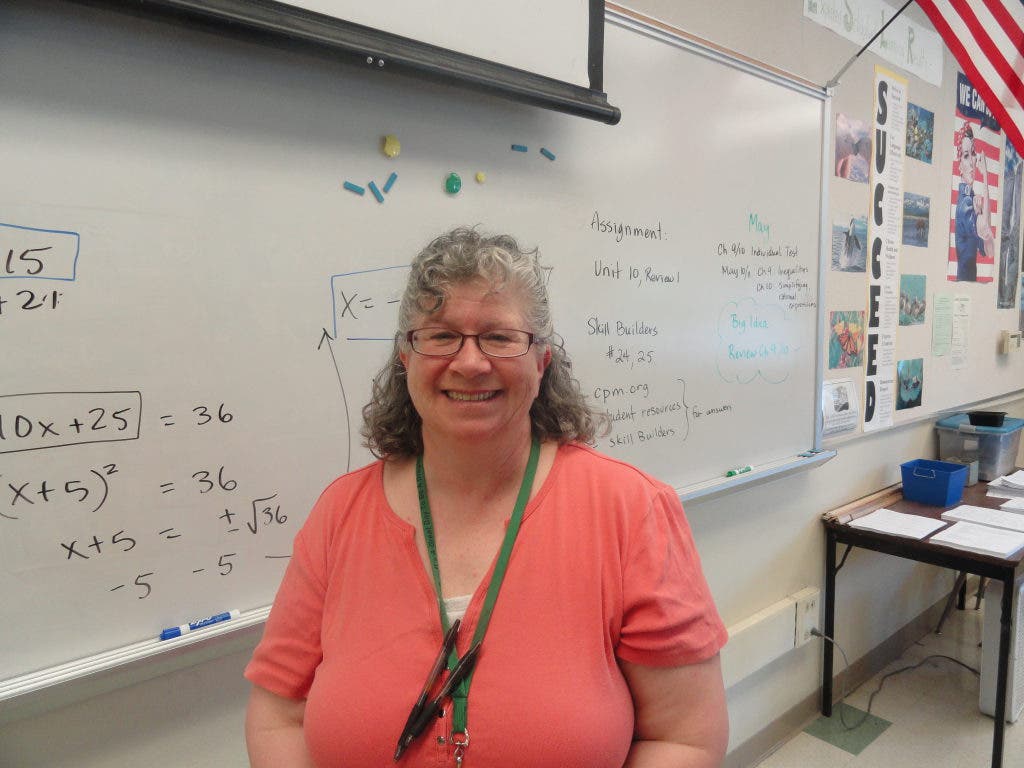
“We’ve restructured so more kids can be successful, and the goal is that all students will be college and career ready by the time they graduate,” said Tammy Rivara, a math teacher and design team member.
Find out what's happening in Sonoma Valleyfor free with the latest updates from Patch.
New at the school: smaller learning communities which will provide students additional access to their teachers for homework help, or a review of class material during the school day.
These communities are called 'teams'; the freshman class is divided into three groups named after surmountable peaks—Fuji, Mauna Kea and Olympus.
Students in each team have the same core teachers for English, Math, Science and P.E. Which means each student shares a class schedule with their other team members, encouraging interaction.
The best situation is one we can’t afford, which is one-on-one...with tutoring," said Dean Knight, a science teacher at SVHS. But smaller classes and more feedback from peers is the next best step according to Knight, “this is better for the kids."
Tutoring is built into the plan: 'Core' teachers are available four days a week in a 50-minute period called Academic Plus or A+.
Tutorial period is nothing new to the high school: the school's experimented with homeroom periods and tutorial in the past, achieving mixed results, according to students and faculty alike.
The Design Team hopes that the A+ period will work better by building in a long-term relationship between tutor and student. As the school year progresses, teachers will follow the progress of each student and designate a teacher for their A+ period, depending on performance.
“We want to create small learning communities, so we can get to know them, what they need, and help their weaknesses,” said Knight.
On a recent Thursday, students in Linda Dillon’s tutorial took time to do some reading, work on posters depicting Charles Dickens’ Great Expectations and ask Dillon, their English teacher, questions about coursework.
“I think [the redesign] is a good thing," said Jamie Kelly, a 14-year-old freshman, "It’s good for getting homework done, and I think it’s a good to have a period to get work done and talk to teachers.”
However not everyone is happy with the new setup.
"High school is great, freshman seminar not so much," said freshman Collin Kemp, 14. Kemp was cut out of electives, including Agricultural Biology, Band, and a free period, because it did not fit in with the courses available in his team.
“I think its fine for most people but really restricting in terms of class selection," said Kemp.