Community Corner
Historic Sonoma Winery Rezoning Sparks Community Debate: Report
A clash over whether the 20-acre Sebastiani Winery is part of a wider debate over the future of wine country development.


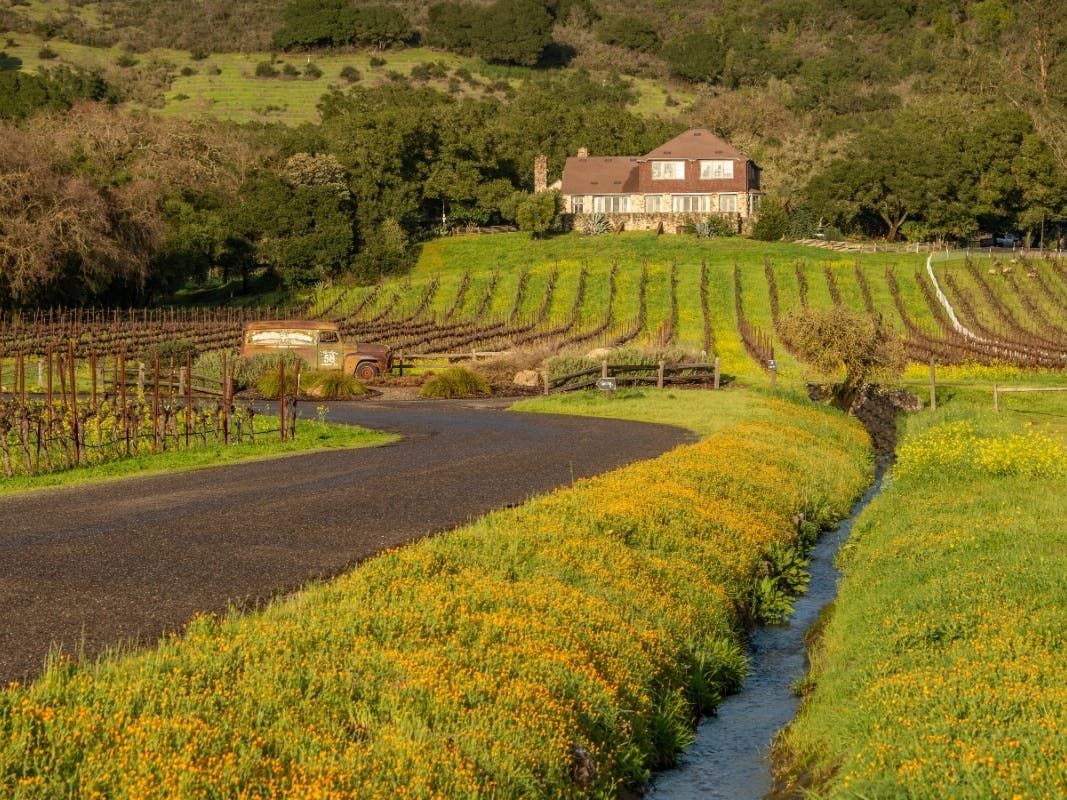
SONOMA VALLEY, CA — Sonoma officials and residents are wrestling over the fate of the 20-acre historic Sebastiani Winery property
This month, the Sonoma City Council edged toward allowing permit housing and limited commercial uses on the historic Sebastiani Winery property, owned by Santa Rosa-based Foley Family Wines, according to reports.
But city officials held back from making any final land use decisions, leaving details to be decided through the city’s ongoing General Plan update and environmental review, according to reports.
Find out what's happening in Sonoma Valleyfor free with the latest updates from Patch.
Rezoning the Sebastiani site has become the focal point of a debate over the future vision for Sonoma Valley as the city updates its General Plan.
The conversation also mirrors tensions in Sonoma County, overall where growth pressures, tourism, and the wine industry often collide with land use planning, infrastructure limits, and community vision.
Find out what's happening in Sonoma Valleyfor free with the latest updates from Patch.
Many see the Sebastiani site as a microcosm of countywide debates on development, wildfire preparedness, and the future of Sonoma Valley’s agricultural and wine landscapes.
City planners said the Sebastiani property spans Lovall Valley Road to the north, bordering 4th Street East, and stopped producing wine in 2021 while retaining a tasting room.
The Foley owners requested a rezoning from agricultural use to Sonoma mixed-use, potentially allowing medium-density housing and limited commercial development, according to reports.
Residents and community groups, including Save Sonoma, worried about fire risk, traffic congestion, and the preservation of the property’s historic character.
A petition opposing broad mixed-use zoning had collected more than 1,270 signatures as of Feb. 20, according to Wine Business.
Many residents urged officials to consider a Special Planning Area that would allow site-specific proposals rather than pre-approving a wide range of uses. The main fear is that zoning could expose the property to state housing mandates that limit the city’s ability to deny inappropriate projects, Wine Business reported.
Planning Commissioner Matthew Wirick and several colleagues agreed, emphasizing the need for further analysis before issuing recommendations to the City Council,Wine Business reported, and Commissioner William Willers said the site’s size and significance made a single zoning approach impractical.
Sonoma’s Community Development Director Jennifer Gates said current decisions by the Sonoma City Council will guide the planned Environmental Impact Report, which will assess how any development would affect the land.
Gates said that no final decisions have been made and that the council can later scale back but not expand potential development.
At a subsequent March 4 meeting, council members opposed a hotel on the property, while some supported limited neighborhood-serving commercial uses and housing. Patricia Farrar-Rivas said balancing housing, open space, and historic preservation is key, The Sonoma Index-Tribune reported.
Sandra Lowe prioritized housing over tourism development, citing the ongoing housing crisis, while Mayor Ron Wellander suggested a compromise with low-density residential, selective commercial uses, and a “destination” component, The Sonoma Index-Tribune reported.
Public commenters repeatedly highlighted fire safety concerns. Becky Saeger cited choke points on evacuation routes near Fourth Street East, warning that higher-density development could endanger lives during emergencies, according to the Sonoma Index-Tribune.
UNITE HERE Local 2 organizer Sonya Karabal urged prioritizing housing over hotels, noting that mixed-use residential development could help close the affordable housing gap, while hotel jobs may exacerbate low-wage housing shortages.
By the end of the night, according to the Sonoma Index-Tribune, the council told city staff to maintain the current agricultural designation for a portion of the Sebastiani parcel. Staff were also tasked with analyzing how medium-density housing—roughly 7–15 units per acre, similar to the nearby Las Casitas development averaging 12 units per acre—and potential commercial uses would impact the planned Environmental Impact Report. Several council members reiterated their opposition to a hotel on the site. Officials stressed that no specific development proposal exists yet and that the ongoing discussion focuses on what the General Plan could allow on the property through 2045, according to the Sonoma Index-Tribune.
As the process moves forward, next steps include revising the land-use map for Sebastiani property to reflect council direction, completing the draft Environmental Impact Report, and opening a 45- to 60-day public comment period, followed by additional Planning Commission and City Council hearings.
Get more local news delivered straight to your inbox. Sign up for free Patch newsletters and alerts.