Politics & Government
Local Pol Says He's a Missed Face of Diversity
Harbor Commissioner and South San Francisco resident Robert Bernardo says he was ignored in a media analysis of diversity in San Mateo County politics.
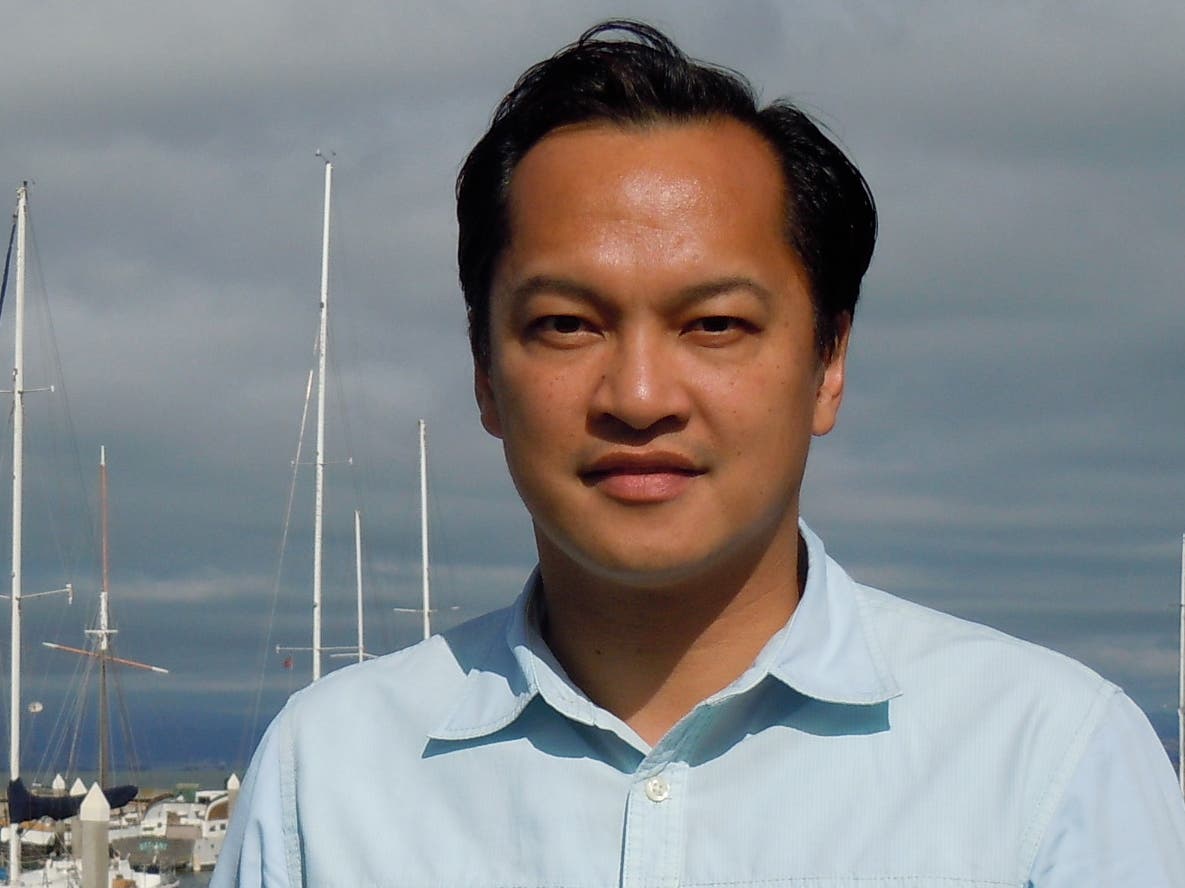
When South San Francisco resident first read a Bay Citizen article last month that said no Asian has won recent a countywide election, he felt offended.
Bernardo, who is Filipino, in the countywide November election.
“When the blanket statement is made that there are no Asians or Latinos serving countywide, first of all, it’s wrong,” Bernardo said.
Find out what's happening in South San Franciscofor free with the latest updates from Patch.
The article, entitled “San Mateo County: Well-Run or Racist?” also ran in the New York Times. It focuses on a lawsuit that is challenging the county’s at-large Board of Supervisor election system on grounds that it violates the California Voting Rights Act of 2001.
The suit, which was filed on April 14 by a coalition of civil rights law firms, says at-large elections discriminate against Asians and Latinos and have created disparities in representation for communities of color.
Find out what's happening in South San Franciscofor free with the latest updates from Patch.
Latinos and Asians each make up about a quarter of the county’s population, the lawsuit says, yet since at least 1995 one Latino and no Asians have held a supervisor seat. San Mateo County is the only California county that still uses at-large elections.
The complaint asks the court to impose a district election system where voters in each of the five supervisor districts would elect representatives.
Newly elected Supervisor Dave Pine, who represents South San Francisco as part of District 1, has been a strong advocate for district elections. He was a member of the Charter Review Committee, which recommended that the supervisors allow voters to decide whether to switch to a district election system.
Last year, by a 4-1 vote, the supervisors rejected putting the issue before voters.
“One of the major benefits of a district election is it lowers the barrier of entry for people interested in running for Board of Supervisors,” Pine said. “Today in the countywide system it’s a bigger undertaking than running for Congress.”
The May 3 special election, where Pine nudged out a narrow victory over five competitors, was an anomaly, he said. Normally, supervisor races aren’t competitive and incumbents run virtually unchallenged, Pine said.
With district elections, Pine said, “we would have more competitive races and the probability that we would have more diversity increases.”
But Bernardo said the level of diversity already in county politics has been underrepresented. Even though the Bay Citizen article centers on Board of Supervisor elections, Bernardo said it is inaccurate in that it failed to mention his countywide election and also oversimplifies the issue of electing representatives of color.
“To me it kind of does a disservice,” he said. “It assumes that if you change your voting system you are automatically going to get more candidates of color and thereby elect more people of color."
“You can have a lot of candidates of color but if you don’t provide them with tools, the funding and most importantly how to run an effective campaign, then the candidates are still going to lose whether its district wide or at large,” he said.
Bernardo adds that in his election he did not win the majority of vote in Daly City, even though it has a high Filipino population, and fared better in south San Mateo County.
“I like to think we won not because I am a gay, Filipino, Jewish person,” he said. “It’s because we ran a strong campaign.”