Schools
South San Francisco Schools May Have Seismic Risks
At least seven local schools have sat on a state list of potentially risky school structures for nearly a decade.

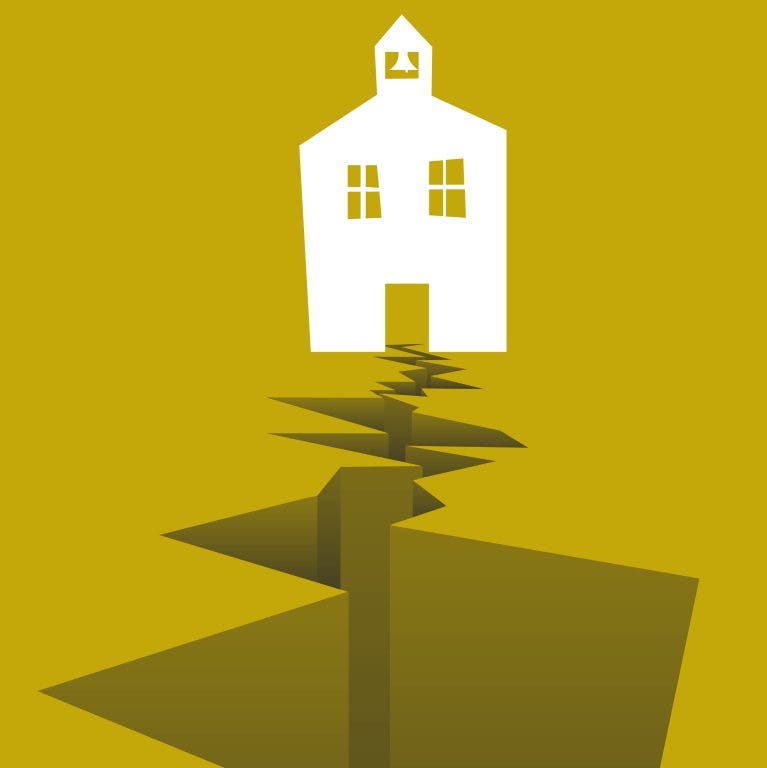
The state’s failure to properly certify that public schools meet seismic safety requirements means that at least seven South San Francisco schools have languished on a list of potentially risky structures for almost a decade.
, , , , , and are all on the state’s so-called AB300 list, which was completed in 2002 to document public school buildings that could be unsafe in the event of an earthquake. The list includes 7,500 buildings or projects statewide, according to public documents from the Division of the State Architect’s office.
Additionally, Alta Loma and are in proximity to fault lines.
Find out what's happening in South San Franciscofor free with the latest updates from Patch.
South San Francisco Unified School District has “assessed and reviewed” all AB300 school sites, according to Assistant Superintendant of Business Services Jonathan Barth. Improvements have been written into the master plan, which includes a seismic risk analysis completed by a structural engineering firm. Measure J bond improvements will begin to address problems, Barth said.
But getting the money to make all the improvements in the master plan is a challenge, according to Barth.
Find out what's happening in South San Franciscofor free with the latest updates from Patch.
“If there is any reason that more action has not been taken to this point, it is a lack of funding,” Barth said.
“We will be working very hard in the coming months and years to secure additional funds from state and other grant sources to supplement the $162 million of Measure J,” Barth said in an e-mail. “As for the interim period, the answer…of what can be done is simply to continue to do what we do everyday: plan for the worst. We plan and drill for response to any number of crisis situations and an earthquake is one of them.”
California has a strict law that mandates a seismic safety certification process for public schools: the Field Act. But the results of a 19-month investigation by California Watch released Thursday showed that in the crunch to get schools built within the last few decades, state architects have been lax on enforcement.
In 1999, the state passed AB300, which ordered that a list be created of potentially risky school structures. That list, completed in 2002, contains the seven South San Francisco schools mentioned above. A school on the AB300 list isn’t necessarily unsafe, but it does mean that the state hasn’t received certification that the school district has made seismic improvements.
South San Francisco Unified School District has yet to make many of the indicated retrofits to AB300 schools, according to Barth. But new construction and maintenance has complied with updated regulations, he said.
“In the modernization program during the late 1990s, all work complied with DSA [Division of the State Architect] specification and inspections,” Barth said.
Barth said the Measure J bond program will be instrumental in making one important seismic improvement: replacing aging portable classrooms.
“The community’s overwhelming support of Measure J is such an invigorating vote of confidence for the future of our schools that those of us working on this project are just completely energized and committed to giving the children everything they deserve – and that includes the safest environment we can possibly provide,” he said.
To learn more about the seismic safety of schools in South San Francisco, visit California Watch's interactive map.
This story was produced using data provided to Patch by California Watch, the state's largest investigative reporting team and part of the Center for Investigative Reporting.
Get more local news delivered straight to your inbox. Sign up for free Patch newsletters and alerts.