Health & Fitness
Mosquitoes that Carry Dengue Fever Caught in Riverside
This is the first documented case on record in the county.


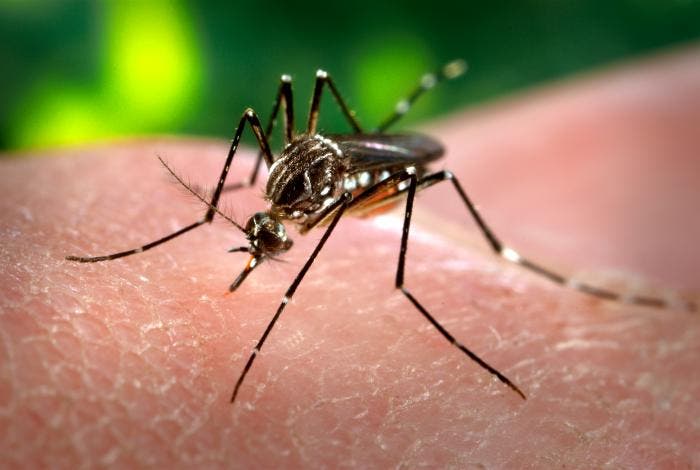
A variety of mosquito capable of transmitting dengue fever was netted in Riverside -- the first such documented case on record -- raising concerns that the species may have colonized, a vector control official said Wednesday.
“We’re starting to expand out and do trapping over a wider area now,” Northwest Mosquito and Vector Control District spokesman William Van Dyke told City News Service. “This is our first known encounter with this variety of mosquito. It could potentially present a problem in the future.”
Van Dyke said Aedes aegypti have been trapped in a dozen other counties. Known throughout the world as “yellow fever mosquitoes,” the 10 to 15 that were identified in the latest vector control surveillance were pulled from a trap set last week near the intersection of Magnolia Avenue and Van Buren Boulevard, on the city’s west side, according to Van Dyke.
Find out what's happening in Temeculafor free with the latest updates from Patch.
He said the insects are not an inherent threat but can pose a health risk if they become carriers of dengue fever. Like mosquitoes that transmit West Nile virus, yellow fever mosquitoes must first feed on a host that’s infected before they can pass on the disease.
“An example would be if this type of mosquito bit a person with dengue fever in northern Mexico and then came here and bit another person, who would then contract the virus,” Van Dyke said.
Find out what's happening in Temeculafor free with the latest updates from Patch.
According to county Department of Public Health communicable diseases specialist Barbara Cole, there have been no reports of individuals being treated for locally acquired dengue fever, though she couldn’t immediately rule out instances of people traveling abroad and returning with related symptoms.
The virus is generally defined by elevated body temperature, severe headaches, eye pain, as well as joint and muscle pain, bleeding from the gums and nose and susceptibility to bruising, according to the U.S. Centers for Disease Control and Prevention. With proper treatment, less than 1 percent of cases are fatal.
Van Dyke said he didn’t foresee a population explosion of Aedes aegypti, but it was disconcerting to see the pests gaining a “niche foothold in Riverside County.”
“This mosquito is a little different in that it lays eggs above the water line and can last for quite some time,” he told CNS. “A large population would really be a nuisance because they bite throughout the day.”
According to Van Dyke, one factor likely to arrest the threat of population expansion is the change of season.
“Mosquitoes peak in September and October,” he said. “As we head into November, activity plummets.”
Vector control officials have been conducting chemical sprays in recent weeks to eliminate mosquito infestations. More spraying is planned tomorrow in Riverside and Perris.
Van Dyke said residents can be an asset in reporting the presence of yellow fever mosquitoes.
“If somebody’s bitten during the daytime, it would be really beneficial for that person to call and let us know,” he said. “Just remain vigilant.”
The Aedes aegypti have black and white stripes and are generally smaller than their cousins.
The Northwest Mosquito and Vector Control District serves a 240-square- mile area, from Lake Elsinore and Canyon Lake to the south, and Jurupa Valley and Eastvale to the north. The agency can be contacted at (951) 340-9792.
--City News Service, photo courtesy of the CDC
Get more local news delivered straight to your inbox. Sign up for free Patch newsletters and alerts.