Community Corner
School Is Canceled: What do we tell the kids?
As school is canceled due to the local fires, how do we handle talking with our kids about this?

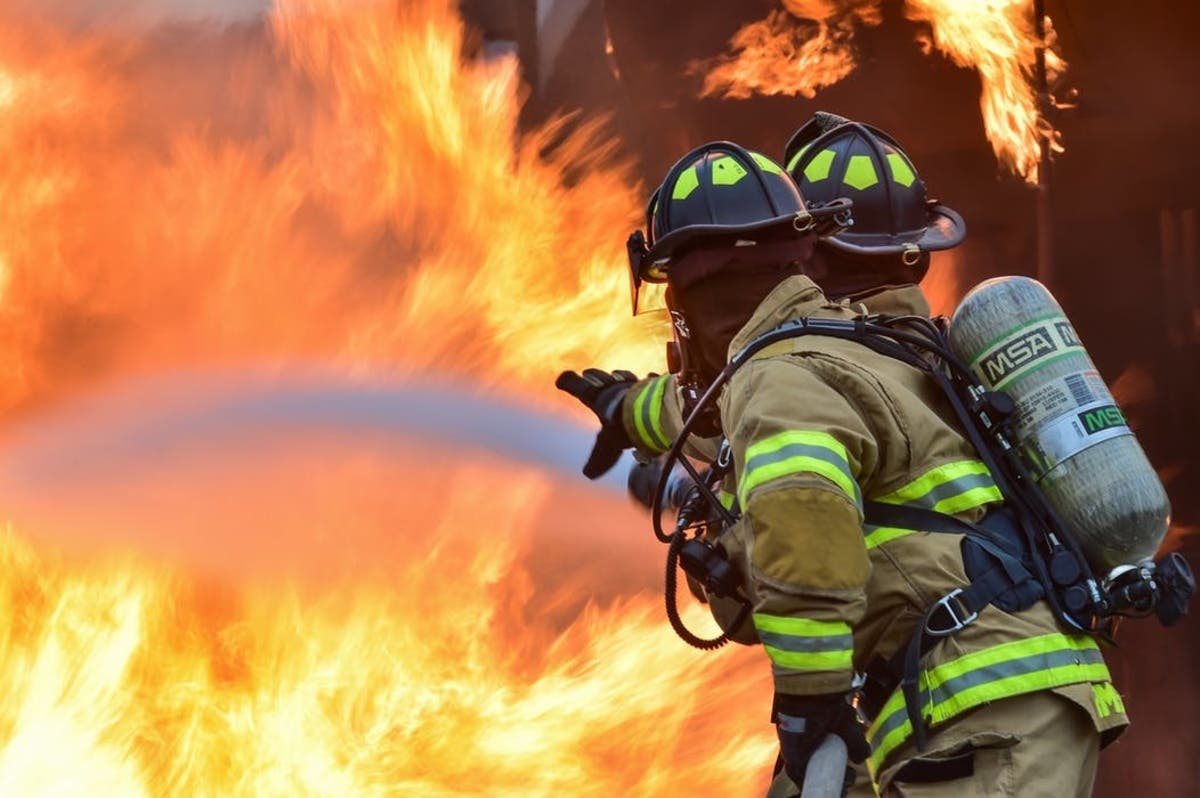
Once again we find our quaint area invaded by news crews, this time for the Liberty fire. People are having to evacuate. They are quickly loading their most valuable possessions, their families, and their pets into vehicles and driving away, hoping this precaution remains just that, and that they will have a home to return to. What a scary experience! To be unsure if virtually everything you own will be destroyed. The sense of danger so real, the fear and the uncertainty!
During such an experience, what should children be told? If the kids have to evacuate, they obviously must be told why and what is happening. Doing so in a calm manner that focus on facts and provides information about what will occur will be very helpful. Being calm and seeming emotionally together helps in how they frame the experience. Providing some predictability by telling them what will happen next will create a sense of security.
What about families that are not being evacuated? How should parents talk with those kids? How do we answer their questions about school being canceled? How do we give them information or answer their questions without threatening their perception of safety?
It is difficult to answer these questions with a blanket statement, because so much of what a parent should say or do depends on the children themselves. A child’s personality, how old they are, how they process information, how anxious they naturally are, and how high of control needs they have are all things that contribute to what is appropriate and helpful and what may not be. But following a few basic guidelines may help to increase their sense of safety:
1. Offer information only as it is necessary or appropriate. Be sure you frame things in an age appropriate manner and only offer enough to satisfy the child. If the child is young, why there is not school tomorrow could be answered as simple as saying, “the air has a lot of smoke in it due to a fire so the school wants everyone to stay home and enjoy the day with their families.” For an older kid, it may sound something like, “there are some fires close by that are affecting air quality, so we have the day off.” Oversharing can be harmful and is not necessary.
2. If your kids seem concerned or worried, ask them how they feel about the situation. If they express fear or worry, first validate those emotions. Say something like, “I can understand how that would feel scary” or “I can see that you’re worried right now.” This empathy and validation will provide them with a sense of security and allow them to release some of the energy of those emotions.
3. Be reassuring. If they’ve expressed fears or anxiety, let them know that you are here and that they are safe and everything will be ok. Of course, do not make promises you may not be able to keep. Your reassurance and empathy will likely be all the comfort they need!
4. Even if you feel scared, don’t let your kids know. Because children are so physically and emotionally vulnerable, they look to the people they trust most in the world to give them cues on if a situation is dangerous or not. So while a little worry is usually not a problem, try not to break down in front of your kids. Doing so will cause them to think, “if mom is scared, this must be very dangerous.”
5. Don’t have the news on all day. When a news story is on non-stop, it begins to upset our nervous system. The sense of danger begins to grow simply by the flooding of information. So I suggest turning off the news, going for a walk, doing some yoga, playing a board game with your family. Having some decompression time will help reduce those anxious feelings.
Find out what's happening in Temeculafor free with the latest updates from Patch.
Situations like these fires are upsetting to all of us. It shakes our sense of safety and increases our feelings of vulnerability. If we all are mindful of the things we say to and around our kids and we create balance with what they hear and experience, these fires will likely be remembered by them as simply a day they got to ditch school for a “fire day”, and not as a traumatic event in their childhood.