Community Corner
THERAPIST THURSDAY: How to Manage Anxiety as Coronavirus Ramps Up
Coronavirus numbers are on the rise in most areas of our country, and certainly are increasing daily in our area...

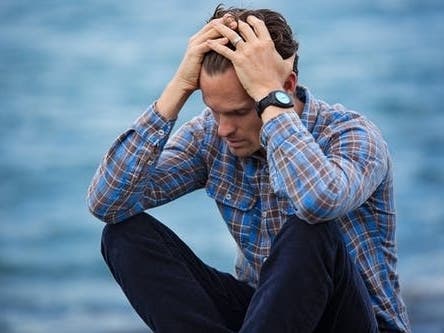
As we begin to know of people who have the virus, it’s very normal for our fears to increase. In this time of uncertainty, how can we manage our anxiety?
I, like probably most of us, have found myself anxious at times over this pandemic. When I wonder about our economy, jobs, people being able to pay their bills, people becoming sick or dying, it can all begin to quickly feel overwhelming. And this is understandable. We are truly in unprecedented times. Because we’ve never been through something like this before, so there are so many unknowns, even for the experts. And this can be unnerving!
Understanding anxiety can be very helpful in managing it, so here are some things to know:
Find out what's happening in Temeculafor free with the latest updates from Patch.
- How we think is highly tied to how we feel, and ultimately, how we behave. Some people may be handling this situation just fine, taking it all in stride. While others may be having daily panic attacks. The difference in these reactions is the result of how each individual thinks about the situation. So, if a person’s thoughts are that it will all be OK, they are likely feeling much less anxiety than the person who is thinking that everything is falling apart.
- We tend to be the most anxious when we focus on what we cannot control. And because there is so much right now that is out of our control, it is really challenging to not focus on what we cannot control. But doing so only increases anxiety and it makes absolutely no change in the item of focus. So, I would encourage you if you are thinking constantly about something outside of your control, to simply remind yourself that that is out of your control and switch your focus to something else. This has definitely been something I have had to do. My focus was on the economy and jobs, including my family’s. I had to remind myself quite a few times that it is going to be what it is going to be, and that there’s nothing I can do about it. Doing so allowed me to then refocus my energy on something within my control, like what my attitude going into the day would be and how I would treat my family and the things we would do for the day.
- Catastrophizing will only increase our anxiety. Man oh man, can catastrophic thoughts be easy to have right now! Everything from “the world is ending” to “we will not have enough food to eat” to “our society is going to crumble” are all thoughts many of us have had from one time or another during this thing. Catastrophic thoughts are responsible for the hoarding behaviors some people have had and the panic buying lots of people have done. Keeping thoughts realistic and avoiding catastrophizing is critical to reducing anxiety. Try replacing these thoughts with thoughts such as “there have been various times in history where things have happened that test humans and this is one of them”, “eventually things will get back to normal”, “our food supply is not threatened by this virus”, “it will all be OK.”
- Avoid “what if” thinking. There is a plethora of options to “what if” about right now! This is what happens when we focus on what we cannot control. And it’s interesting how “what if’s” that go through our mind are always the worst-case scenario options. So, I’d encourage you to change negative “what-if” thoughts to positive ones… “what if things work out?” “what if we are all stronger and closer after this?” “What if this turns out to be a time we can look back on with fond memories?”
- Relaxation and meditation can be very helpful in bringing down anxiety. All of the items above are about managing our thoughts, because that’s what ultimately creates anxiety. But it is also important to have techniques to reduce the physical symptoms of anxiety. Because anxiety creates increased energy in your body, it is critical to do things to bring that energy back down. Learning relaxation breathing and meditation is very effective for doing this. These days there are many apps that are helpful in doing this. I encourage you to find one you like and practice daily meditation.
- Exercise can help reduce the feelings of restlessness or of being “on edge”. Exercise is the other technique that will help greatly with reducing the physical symptoms of anxiety. It allows us to burn off that extra energy created by the anxiety so our bodies can return to a calmer state. I encourage everyone to develop a regular exercise routine during this time so you are regularly burning of energy and keeping your anxiety to a manageable level.
For more information about dealing with Coronavirus, see the article about Staying SANE During Coronavirus here. And How to Talk to Kids About Coronavirus here.
Rochelle Whitson is a licensed psychotherapist in private practice in Temecula, CA. She can be reached by email at meetme4therapy@gmail.com.
Find out what's happening in Temeculafor free with the latest updates from Patch.
Her office can be reached at 951-234-4788 for in-person or teletherapy services.