Community Corner
Torture in Perris: The Signs of Abuse And What To Do
In the wake of this horrific story of abuse, we are left with the question of how do we protect children from such horrors.

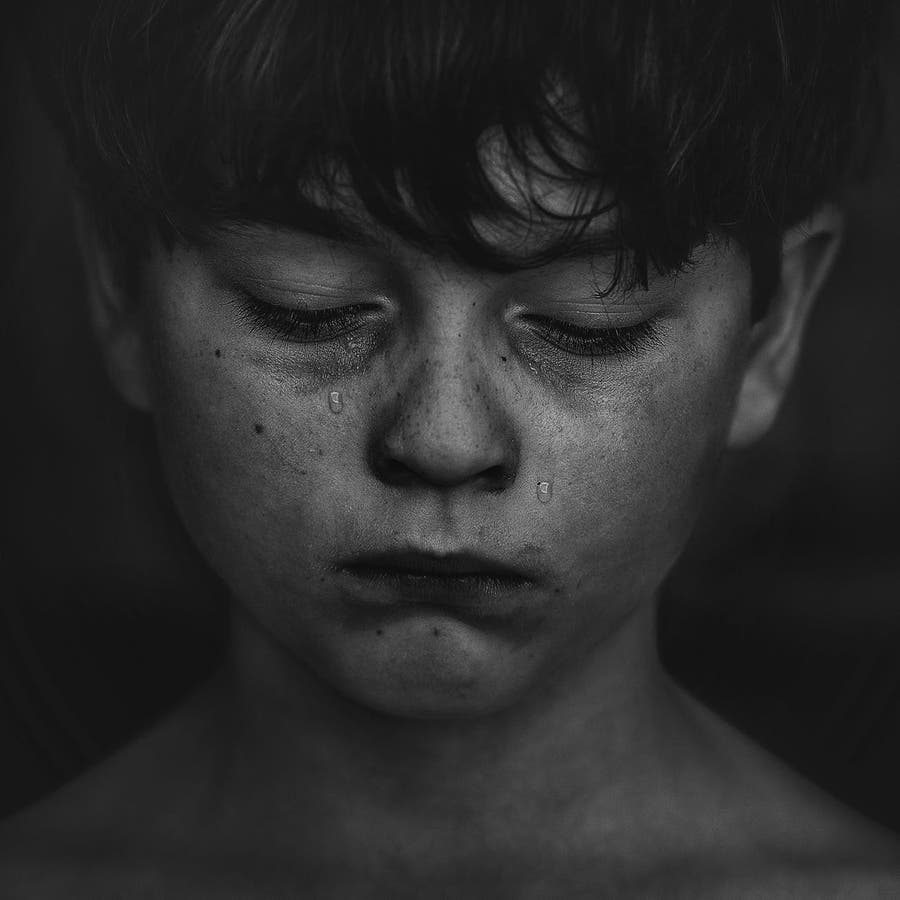
As more details come out of the terrible child abuse, malnourishment, and torture of these thirteen innocent children (some now over the age of 18), most of us are asking ourselves how something like this can happen right under all of our noses.
It so impossible to comprehend one human treating another in such a cruel way, we are all left sad, angry, and perplexed. It makes us want to do something to help these kids. It makes us want to know how to prevent this type of thing in the future or at least know how to recognize it and intervene.
In this busy world we all live in, it’s so easy to keep to ourselves. All of us are busy coming and going that it’s easier just to come in our house and shut our garage door. I admit, I don’t know the names of a few of my neighbors, even though we’ve lived in our home for fifteen years. I’ve read how perplexed some of the neighbors are and how some of them feel guilt. But I think it’s something that can happen anywhere, in any neighborhood. Most of us can’t fathom such treatment of a child, so it becomes easy to miss what signs may be there.
Find out what's happening in Temeculafor free with the latest updates from Patch.
Here are a few things to look for:
1. A family known to have children, but there are not signs that there are kids around. Children play, they make noise, they come and go in their parents’ cars. If a family with kids doesn’t seem to have these activities going on, it may be a concern.
Find out what's happening in Temeculafor free with the latest updates from Patch.
2. A child who seems fearful or withdrawn, or has lost interest in things he/ she used to enjoy.
3. A child who doesn’t seem to have a sense of self esteem. A child who seems surprised by kind treatment or seems to expect to be mistreated.
4. A child who seems malnourished or acts like they never eat around food. A child who seems to beg for food or never seems to get enough. A child who is not growing appropriately.
5. A child who seems emotionally “flat.” This means the person doesn’t seem to have any emotion. Like they have withdrawn into themselves or given up.
6. A child who is very explosive or seems to lack appropriate emotional development.
7. A child who exhibits physical symptoms that don’t have a medical cause, such as headaches or stomach aches.
8. A child who does not seem well cared for. Dirty clothes, clothes that don’t fit, improper hygiene.
9. A child who seems afraid of the parent or makes frequent mention of fear of the parent being mad at them.
10. A child who seems anxious and worried all the time.
11. A child who seems fearful of touch. They flinch if someone accidentally bumps into them or puts their hand on the child’s shoulder.
12. A child who seems to linger at places other than home, rather that be at a friend’s home, a neighbor’s, or at school. They seem as though they are avoiding going home.
What I have found is that we all have instincts that let us know something may be amiss. We get this feeling in our body when something doesn’t seem quite right. But often, we ignore those instincts. This can be because we brush them off and have difficulty believing there could really be abuse happening, because we think we’re overreacting, or because we don’t want to “rock the boat” or cause trouble. We can easily adopt the belief that it’s really none of our business anyway.
But, the thing is, we don’t have to have hard evidence that abuse is occurring to do something. We don’t have to prove abuse or be positive there even is abuse. We just need to have that gut feeling, that sense that something is off. This is why reports of abuse are called “suspected abuse.”
So if you get that gut feeling and it seems that a child may be exhibiting some of the symptoms listed above or any other behaviors that seem like they could be a problem... do something!
Call the police for a welfare check. Call Child Protective Services (CPS) and file a report. It will be anonymous and no one will even know you did it. CPS often needs multiple reports from multiple sources to investigate, so don’t give up. If they don’t seem to have done anything the first time (they may have investigated without your knowledge), keep reporting new suspicions and new behaviors.
Often CPS has to build a case and that takes time and multiple reports. If you’re the neighbor and you report it and then the teacher reports it and then someone in the parking lot of the store when they see something wrong, it creates a picture for law enforcement. That picture is often what it takes for action to be taken.
Remember that children are vulnerable. They see no way out. They are so often silent victims. So it is our job as their “village” to watch, to know, to report.
I am hopeful that this tragic situation will increase people’s awareness. Child abuse does happen. It happens in every kind of neighborhood in our world. It happens in all kinds of families, families that look like us and act like us in public.
I hope this case reminds us all to listen to that gut feeling, that little voice in our head, and to be the hero a hurting kid needs. Together, we can not end abuse, but we can provide a stronger net of safety and support around the kids within our village. We can end their suffering a little sooner. And I can only imagine what it would have meant to those kids to have had it end a little sooner!
Rochelle Whitson is a Licensed Marriage and Family Therapist and author of the blog www.meetme4therapy.com