Politics & Government
Homeless-Funding Bond Measure May Be Headed To November Ballot
Los Angeles City Council is debating best revenue-raising strategy for dealing with housing and providing services to transient population.
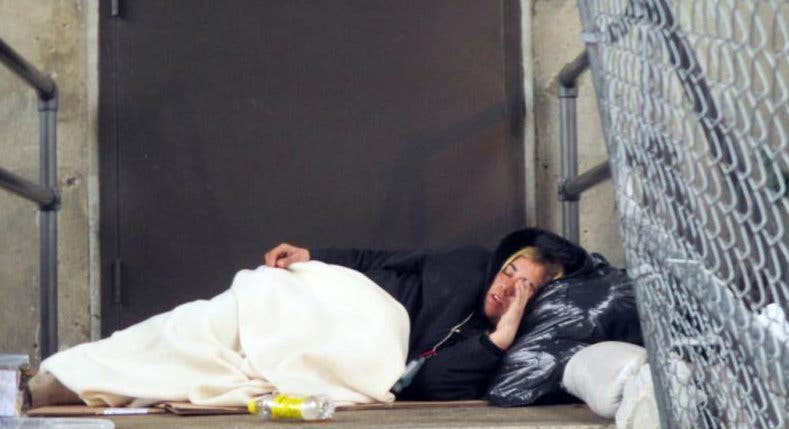
LOS ANGELES -- The Los Angeles City Council today took a step toward placing a bond measure on the November ballot to raise money to address the city's homelessness problem, and will also vote later this week on an alternate parcel tax measure.
The council voted 14-0 to approve a resolution stating that it is necessary for the city to propose issuing a bond, part of a two-step process. The panel is expected to take another vote tomorrow on the bond measure language and whether to place it on the ballot.
The council is also expected tomorrow to take up a parcel tax initiative to serve as an alternative measure to put before voters.
Find out what's happening in Venice-Mar Vistafor free with the latest updates from Patch.
The council has yet to decide which revenue-raising strategy to move forward with -- a $1.2 billion bond to pay for housing for the homeless over a decade, or a 10-year parcel tax to raise $90 million per year until 2027. The council has the option of placing both the bond and tax measures on the ballot, in which case council members would have until Aug. 12 to decide which one to withdraw.
The parcel tax would be based on the square footage of a property's improvements, while the bond measure would be paid back through taxes calculated based on the property's assessed value.
Find out what's happening in Venice-Mar Vistafor free with the latest updates from Patch.
In an early estimate for what was proposed at the time as a $1.1 billion bond measure, the additional property tax would mostly range from $22 to $80 per year -- paid over two decades -- on a property assessed at $327,900. City officials said today they do not have estimates yet for the $1.2 billion bond measure plan, which would be paid back over 28 years.
City leaders last year vowed to tackle homelessness and to spend about $100 million toward the effort. They estimate it will cost about $1.85 billion over a decade to adequately house and provide services to homeless individuals and families in Los Angeles. A recent count put the city's homeless population at about 27,000 people.
Councilman Mike Bonin said that there is a "hunger for solutions" to end homelessness, that this is "our only opportunity," and the city should "strike now, while that window of public support is open."
He also said the city is moving forward despite a countywide proposal to put a "millionaires" tax on the ballot that would have high-income earners help pay for homelessness housing and services. That proposal is stalled because Gov. Jerry Brown is "stubbornly not allowing the county to pursue" the measure, Bonin said.
Council President Herb Wesson also pointed to the need for the city to move forward, despite the county proposal.
"We all agree the best approach should be a regional approach, but it does not look like that regional approach is going to occur," he said.
City Administrative Officer Miguel Santana said that with the bond measure, the individual bonds would only be issued when "projects surface."
"We're trying to avoid a situation where we're borrowing more than what we need," he said.
The money from either the parcel tax or the bond measure -- to be paid back through higher property taxes -- would be spent on permanent supportive housing, which are residences for the formerly homeless that includes health and counseling services within a building. The funds would also be earmarked for facilities serving the homeless, such as storage, shelters and showers.
Much of the debate in recent days has been about whether a portion of the funds should also go toward affordable housing or programs, as opposed to putting all of the funds into housing for those who are homeless. Also being discussed was whether funding should go toward helping low-income people become first-time home buyers, and where to draw the household income line for deciding who the majority of the funds should go to.
The recommendations that are going before the City Council no longer include earmarks for first-time home buyer programs, and would provide the overwhelming majority of the funding to individuals and families who are extremely low-income, with the remaining going to low-income households that earn between 51-80 percent of the Average Median Income.
City leaders are hoping to submit the proposed measure or measures by July 1 so that they could be placed on the November ballot.
At least two City Council members -- Jose Huizar and Marqueece Harris- Dawson -- are pushing for the bond proposal, with the two pointing to recent polling indicating the public would be more receptive to it over a parcel tax measure.
--City News Service/Patch file photo