Community Corner
It's Your Last Chance To Catch The Grunion Run, Venice
Monday and Tuesday mark the last nights of the year those silvery little fish are expected to run ashore to spawn.


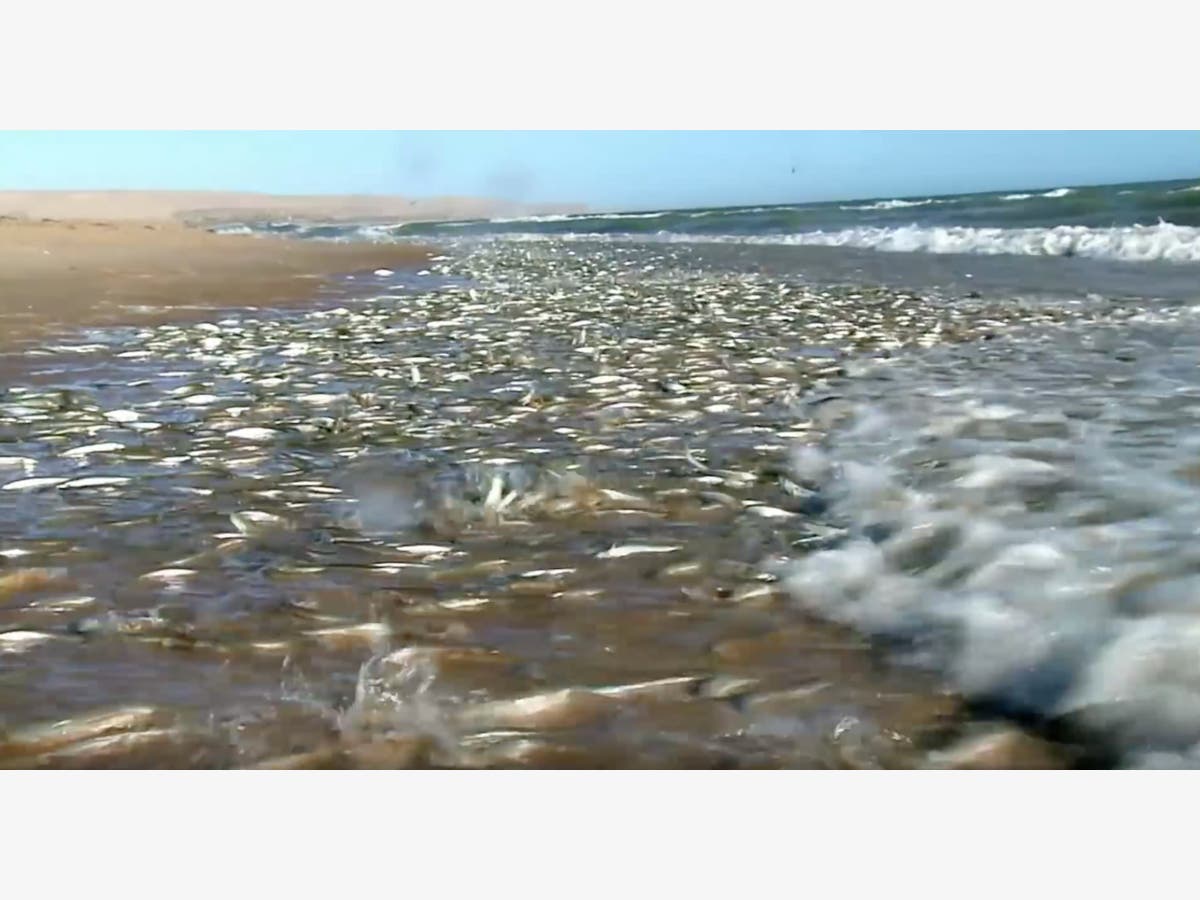
LOS ANGELES, CA — The East Coast may have the wonder of fireflies, but we have our own awe-inducing wildlife display right here in Southern California. It’s the grunion run, that time of year when those silvery little fish emerge from the ocean to spawn, making our coastline seem to sparkle and glitter.
As the summer winds down to an end, so does the grunion season, and Monday and Tuesday nights mark the last two chances to see the phenomenon.
According to the California Department of Fish and Wildlife, the best and final chance to see the grunion run are Monday from 10:30 p.m. to 12:30 a.m., and Tuesday from 11:05 p.m. to 1:05 a.m.
Find out what's happening in Venice-Mar Vistafor free with the latest updates from Patch.
The second hour is usually better for catching a glimpse of the fish.
Grunion are among the few fish to spawn completely out of water. They do it by the thousands, and they do it only in Southern California. The ends of beaches, in sandy, flat spots, are often the best places to view grunion. Some of the beaches in southern California that are known to have runs are: Malibu, Santa Monica, Venice and Hermosa Beach, Seal Beach and Belmont Shore.
Find out what's happening in Venice-Mar Vistafor free with the latest updates from Patch.
“It’s a pretty remarkable process,” said Melissa Studer, project director for Gunion.org, a Pepperdine University group of scientists, environmentalists and community members who monitor the grunion and educate the community about them previously told Patch. “They are pretty important culturally to us because this doesn’t happen anywhere else in the world, and it’s a very unique experience.”
The grunion spawn during the highest tide of the month from as early as March and as late as August, but April through June tends to be their most active period. When they spawn, the female fish will wash ashore on the high tide, wriggle a few inches into the sand, tail first, leaving her head exposed. She will lay about 3,000 eggs a few inches deep in the sand, and then the male fish will wrap around the female fish to fertilize the eggs. Roughly 10 to 14 days later, the eggs will hatch, allowing the next generation to swim off with the tide. The grunion spawn at age 1 and have a life span that ranges from two to four years.
It is impossible to predict exactly where and when they will spawn. Typically, the best day to see them is a few nights after the full or new moon.
There is a two-hour window after high tide to see the grunion run. To see them, be patient and look for the shorebirds—they always know where to find the grunion.
The grunion play a big role in the ocean’s food chain, and observers will sometimes catch glimpses of small sharks and other predators during a run.
Grunion Run Tips
- Legally, you can use only your hands to capture the grunion.
- People over the age of 16 must have a license to catch grunion.
- Grunion cannot be captured in April or May.
- Be sure to wait until after the fish have spawned before capturing them.
- Only catch what you will use.
Violations can be reported to the California Department of Fish and Game at 1-888-DFG-CALTIP (1-888-334-2258).
Grunion.org asks for the public’s help in reporting grunion sightings for monitoring purposes.
Photo: Youtube screngrab
Get more local news delivered straight to your inbox. Sign up for free Patch newsletters and alerts.