Neighbor News
Overcoming Infertility and Pregnancy Loss with an Integrative Approach
PART I: Acupuncture and Holistic Medicine for Fertility Support

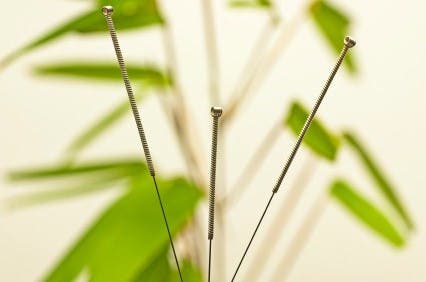
Both Western medicine and holistic medicine play an important role in helping couples create the family they wish for. In Part I of this blog I’ll discuss the importance of an integrative approach in addressing infertility, as well as provide recommendations to optimize fertility. In Part II I’ll discuss nutritional and herbal supplements that I’ve found to be effective.
Infertility, Pregnancy Loss, and Reproductive Endocrinology
Infertility is defined as being unable to achieve a pregnancy after trying for one year. Although conception is a natural biological event, it often isn’t easy to achieve and can take time. Most doctors recommend being evaluated only if a couple has been trying for a year. For women over the age of 35, the recommended time to be seen is after 6 months of trying. Toni Weschler, author of “Taking Charge of Your Fertility,” suggests that many couples believe they are infertile when in fact the problem is that intercourse is not timed properly. She recommends that women chart their menstrual cycle and get to know their body’s signs that ovulation is approaching. It’s important for a couple to have intercourse on the days leading up to ovulation, signified by cervical mucous that is slippery, like “egg whites”. The consistency of cervical mucous is the best predictor of fertility. She suggests that if you’re already charting your cycle and having intercourse on your most fertile days, and you haven’t gotten pregnant in 4 to 6 cycles, you might consider certain fertility testing regardless of your age. After all, why wait an entire year if you have a feeling something isn’t right.
Find out what's happening in Walnut Creekfor free with the latest updates from Patch.
If a couple is dealing with recurrent pregnancy loss, most experts recommend being evaluated after two or three miscarriages. Although miscarriage can be a difficult experience, it is often the body’s natural way of eliminating chromosomal abnormalities that would not have produced a healthy fetus. In fact, according to the American Pregnancy Association, most healthy women have a 15-20% chance of miscarriage (usually during the first 13 weeks of pregnancy). For this reason, most experts agree that a fertility evaluation is not necessary after one miscarriage. Sometimes it is simply trying again that enables a couple to achieve a viable pregnancy. Regardless, it makes sense to avoid the emotional and physical pain of another miscarriage if you can. Couples don’t have to go it alone after a miscarriage. Holistic medicine like acupuncture and moxibustion can be started as soon as possible to increase chances of conceiving and carrying a pregnancy. By arming yourself with knowledge and supporting the body’s natural system, you are priming the body for a healthy pregnancy.
If you and your partner decide to pursue fertility testing, I recommend that you consult a reproductive endocrinologist. They are more specialized in this area than obstetricians and are particularly skilled at finding the cause in an expedited and organized fashion. An infertility evaluation may involve both a female and male workup. Testing can determine if there’s a relatively simple problem, such as hypothyroidism, or if there’s a more complicated structural problem that needs to be addressed, for example uterine fibroids or congenital uterine abnormalities. If you’ve experienced multiple pregnancy losses, a blood test can show if there’s a problem such as a clotting disorder. A helpful resource to consult is RESOLVE.ORG. It provides extensive information about various types of fertility challenges and recommended testing, and provides printable checklists to take with you to your doctor’s office. RESOLVE.ORG can facilitate communication with your practitioners and help you develop a plan of action.
Find out what's happening in Walnut Creekfor free with the latest updates from Patch.
Many couples receive a diagnosis of “unexplained infertility,” meaning that testing did not reveal significant abnormalities. Couples may then choose to proceed with ART (Assisted Reproductive Technology) or they may first want to try natural methods to increase fertility, such as diet and lifestyle changes and holistic medicine such as acupuncture, herbs, yoga, and massage. If you have the time, I recommend trying natural methods first, as they are less invasive and carry fewer side effects. Sometimes the most appropriate treatment path is the combined use of ART and holistic medicine. Some studies have demonstrated that acupuncture can improve the pregnancy success rate when using ART. Experiencing fertility challenges can be very stressful and emotionally draining. But once you understand your options and decide on a plan, you can feel more confident and empowered as you move towards your goal of having a family.
A Holistic View of Fertility and the Role of Acupuncture and Nutritional Medicine
When experiencing challenges getting or staying pregnant, couples should know there is a way to proactively address infertility and recurrent miscarriage. If possible, I recommend starting treatment with acupuncture and nutritional medicine at least 3 months before trying to conceive. It can regulate the menstrual cycle, assist in ovulation, improve egg quality, and facilitate a healthy implantation. Once you achieve pregnancy, holistic medicine provides important prenatal support and even assists in an easier postpartum recovery. Acupuncturists believe that being in sync with nature is fundamental to our health. The body is like a garden. Just as we fertilize and nourish the soil before we plant seeds, the body and uterus need nurturing to be an optimal environment for growing a baby. Nutrition and lifestyle are two very important aspects in improving fertility and preparing for pregnancy.
I. Food and Nutrition
In general, I recommend consuming good quality sources of meat and vegetable protein, healthy fats, and a variety of vegetables. Always aim for a diet of fresh, whole foods rather than eating packaged foods. Most packaged foods contain preservatives and chemicals which increase their shelf life, but shorten ours. Meats should be organic and grass fed, since antibiotics and hormones found in meat can negatively impact the hormonal system. Vegetables should be organic to avoid pesticides which can cause infertility. Leafy greens and meats are important for building blood and maintaining iron levels in the body. If you don’t eat meat, you need to plan meals carefully to ensure adequate protein and iron needed for a healthy pregnancy. Healthy fats are important for both the mother and baby’s development. They include butter (such as Kerrygold Butter made from grass-fed cows), wild Alaskan salmon or fish oil, cod liver oil, coconut oil, avocado, pumpkin seeds, and walnuts. In general it’s best to decrease intake of processed grains, sugar, and most dairy products, as they tend to impede fertility. The exception is plain, full fat yogurt, which contains beneficial bacteria important for vaginal health. It’s also worth eliminating caffeine and alcohol. Sometimes making these simple changes can make ALL the difference. Many women would also benefit from eating mostly warm, cooked foods, particularly if you tend to feel cold. Raw and cold foods (such as sushi) should be cut out. Similarly, iced drinks should be avoided. Room temperature water and hot teas are best. Foods that are particularly helpful when trying to conceive include soups and stews, especially made with bone broth. They are easily digested and nourishing to the reproductive system. It also helps to drink plenty of water and soup broth. Staying well hydrated assists in the production of cervical mucous.
II. Lifestyle
Movement or lack thereof is sometimes the cause of infertility problems. The body was designed to move throughout the day. Our increasingly sedentary lifestyles cause health problems like obesity, which can interfere with the hormonal system and affect fertility. Moving our bodies is also an important stress reliever. If we don’t move our bodies every day, stagnant energy causes stress which can cause irregular menstruation. If we are under constant stress, our bodies will not trust that it’s safe to grow a baby. Therefore movement is important. This means not sitting for hours at a time, even if you’re at work. Get up and stretch and walk around, take the stairs when possible, go for a walk, dance while you’re cooking, swing your hips while you’re brushing your teeth- basically find a way to move your body throughout the day. I have found gentle yoga to be especially helpful for fertility. I recommend fertility-specific yoga, which helps to regulate the cycle and decrease stress. An excellent DVD for at-home yoga is “Restoring Fertility: Yoga for Optimal Fertility”, created by acupuncturists Wendy Yu and Brandon Horn. Each yoga sequence is designed to correspond to and optimize the 4 phases of the menstrual cycle. It’s an excellent way to reduce stress, calm the mind, and prepare the body for a healthy pregnancy. One important note: just as a sedentary lifestyle can interfere with fertility, so can an overly active lifestyle. Female athletes such as marathon runners, triathletes, and body builders- commonly considered to be “healthy” - sometimes have problems conceiving. Excessive activity and exercise can interfere with the hormonal system. The wise adage ”Everything in moderation” applies to the activities in our lives. It is very possible to overexert oneself and do more harm to the body than good. In that case, exercise needs to be reduced and possibly replaced with activities that are gentle on the body.
Continue to Part II of this blog to read about nutritional and herbal supplements that I’ve found to help regulate the hormonal system and improve fertility.
{|ٶ)
Nikoo Saleh Kasmai, MS, L.Ac. holds a Master of Science in Acupuncture and Chinese Medicine. She is a trained Birth Doula and specializes in Pregnancy & Labor Support. For more information about acupuncture and Chinese medicine, visit her website at www.guesthouseacupuncture.com.