Health & Fitness
County Records Worst Year of Human West Nile Virus Cases
The state drought may be a contributing factor to last year's spike in the virus, public health officials said.


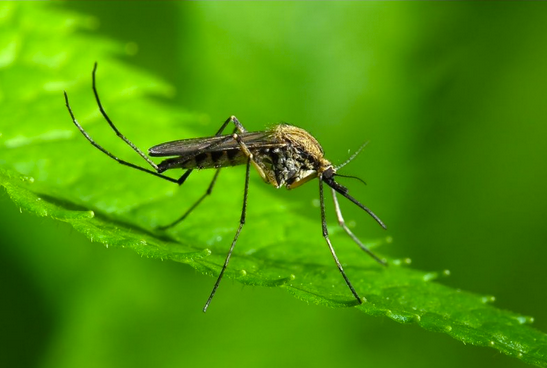
There were more than 800 human cases of West Nile virus throughout the state in 2014, the second-highest year on record to date, the state Department of Public Health announced this week.
What’s more-- the state drought may be a contributing factor to last year’s spike in the virus, public health officials said.
“As birds and mosquitoes sought water, they came into closer contact and amplified the virus, particularly in urban areas,” state Public Health Director Dr. Karen Smith said in a statement issued Wednesday. “The lack of water could have caused some sources of water to stagnate, making the water sources more attractive for mosquitoes to lay eggs.”
Find out what's happening in Woodland Hillsfor free with the latest updates from Patch.
Orange County had 263 human cases of the virus, the most among the 40 counties statewide that reported West Nile virus activity last year, public health officials said.
Los Angeles County came in second statewide with 253 cases among people, according to public health officials.
Find out what's happening in Woodland Hillsfor free with the latest updates from Patch.
A total of 31 fatal cases occurred statewide last year, the highest number of deaths in a year from the disease to date, the state said.
Here’s a county-by-county breakdown of the number of cases in which the virus was found:
- Alameda: 1 human case, 96 dead birds, 16 mosquito samples, 1 sentinel chicken
- Butte: 24 human cases, 22 dead birds, 40 mosquito samples, 37 sentinel chickens
- Colusa: 3 human cases, 4 dead birds, 1 mosquito sample, 9 sentinel chickens
- Contra Costa: 5 human cases, 44 dead birds, 25 mosquito samples, 15 sentinel chickens
- El Dorado: 7 dead birds
- Fresno: 43 human cases, 9 dead birds, 138 mosquito samples
- Glenn: 10 human cases, 4 dead birds, 8 mosquito samples, 9 sentinel chickens
- Humboldt: 2 dead birds
- Imperial: 1 human case
- Kern: 11 human cases, 3 dead birds, 111 mosquito samples
- Kings: 4 human cases, 3 dead birds, 150 mosquito samples
- Lake: 1 human case, 18 dead birds, 71 mosquito samples, 5 sentinel chickens
- Los Angeles: 253 human cases, 99 dead birds, 356 mosquito samples, 146 sentinel chickens
- Madera: 3 human cases, 5 dead birds, 37 mosquito samples
- Marin: 6 dead birds, 3 mosquito samples
- Mendocino: 1 human case
- Merced: 1 human case, 8 dead birds, 11 mosquito samples, 11 sentinel chickens
- Napa:12 dead birds
- Nevada: 2 sentinel chickens
- Orange: 263 human cases, 431 dead birds, 499 mosquito samples
- Placer: 7 human cases, 40 dead birds, 77 mosquito samples
- Riverside: 14 human cases, 1 dead bird, 91 mosquito samples, 43 sentinel chickens
- Sacramento: 10 human cases, 294 dead birds, 487 mosquito samples, 10 sentinel chickens
- San Bernardino: 21 human cases, 17 dead birds, 97 mosquito samples, 32 sentinel chickens
- San Diego: 11 human cases, 39 dead birds, 12
- San Joaquin: 9 human cases, 53 dead birds, 239 mosquito samples
- San Mateo: 21 dead birds, 15 mosquito samples
- Santa Barbara: 2 dead birds
- Santa Clara: 10 human cases, 925 dead birds, 30 mosquito samples, 5 sentinel chickens
- Santa Cruz: 1 dead bird
- Shasta: 2 human cases, 6 dead birds, 33 mosquito samples, 12 sentinel chickens
- Solano: 5 human cases, 33 dead birds, 11 mosquito samples, 23
- Sonoma: 37 dead birds, 9 mosquito samples, 3 sentinel chickens
- Stanislaus: 33 human cases, 47 dead birds, 176 mosquito samples, 12 sentinel chickens
- Sutter: 8 human cases, 19 dead birds, 52 mosquito samples, 31 sentinel chickens
- Tehama: 4 human cases, 13 sentinel chickens
- Tulare: 21 human cases, 40 dead birds, 311 mosquito samples, 4 sentinel chickens
- Ventura: 1 human case, 7 dead birds
- Yolo: 15 human cases, 71 dead birds, 221 mosquito samples, 9 sentinel chickens
- Yuba: 6 human cases, 16 dead birds, 24 mosquito samples, 9 sentinel chickens
- State Totals: 801 human cases, 2442 dead birds, 3340 mosquito samples, 443 sentinel chickens
Across the state, there was a record 561 cases of the neuroinvasive form of the disease that can lead to meningitis or encephalitis. The virus entered the state in 2003 and the highest number of human cases recorded was 880 in 2005, public health officials said.
Higher temperatures can lead to a larger mosquito population, and unseasonably warm weather can mean an earlier season for West Nile virus, public health officials said.
West Nile virus season typically starts in the summer and there is a higher risk for the disease from mid-July through September. Humans and animals can become infected by the bite of a mosquito with the disease, according to public health officials.
People are advised to apply insect repellant and wear protective clothing while outdoors to prevent mosquito bites. The public is also advised to eliminate pools of standing water where mosquitoes tend to lay their eggs and replace any windows screens that have tears or holes.
Current information on West Nile virus activity can be found online at http://www.westnile.ca.gov.
OTHER PATCH HEADLINES
Preemie Grows Up to Save the Life of the Doctor Who Saved Him
Video: 1 Child Killed, Another in Grave Condition When Family Car Plunges into Water at Port of LA
Judge’s Lenient Sentence for Toddler Rapist Illegal, Says District Attorney
Pedestrian Killed by 2 Separate Hit and Run Drivers
Citizens Demand Removal of Judge Who Reduced Sentence for Child Rapist
– Patch editor Renee Schiavone and Bay City News Service contributed to this report. Image via Shutterstock
Get more local news delivered straight to your inbox. Sign up for free Patch newsletters and alerts.