Home & Garden
Heat Waves to Skyrocket in Woodland Hills, Study Finds
By 2050, the number of extreme heat days in LA will skyrocket if nothing is done to control greenhouse gas emissions, UCLA scientists find.


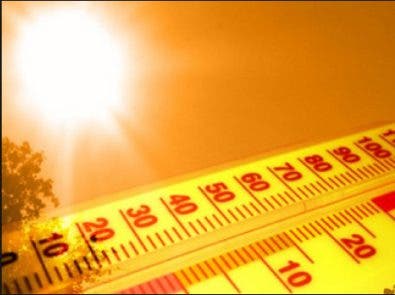
By 2050, parts of Los Angeles County are forecast to experience triple or quadruple the number of days of extreme heat if nothing is done to control greenhouse gas emissions, placing further demand on the region’s drinking water and electricity, it was reported today.
That could mean that by mid-century, downtown Los Angeles could see an average of 22 days of extreme heat -- days in which the high temperature exceeds 95 degrees -- up from an annual average of six days recorded between 1981 and 2000, the Los Angeles Times reported, citing two new reports by UCLA scientists.
The San Gabriel Valley could see the number of extreme heat days rise from 32 a year to 74 and Long Beach, from four days a year to 16, according to the reports cited by The Times.
Find out what's happening in Woodland Hillsfor free with the latest updates from Patch.
The results point to a hotter, drier future as Los Angeles faces climate change, according to The Times. Proof of rising temperatures is already in the historical record: The annual average in 1878 in downtown Los Angeles was 62 degrees; by 2014, it was 68 degrees.
The forecast rise in temperatures, published this week in the Journal of Climate, was done by calculating global simulations of climate change to a neighborhood scale if nothing is done to rein in greenhouse gas emissions that cause global warming, The Times reported.
Find out what's happening in Woodland Hillsfor free with the latest updates from Patch.
Places in Los Angeles County farther inland, especially the valleys, will feel the pain the worst because of their distance from the Pacific Ocean, which has a moderating effect on extreme temperatures, said Alex Hall, a professor at the UCLA Department of Atmospheric and Oceanic Sciences and co- author of the study, according to The Times.
“Climate change is inevitable in this region,” Hall said. “We have to adapt to climate change.”
In analyzing the forecast rise in temperatures, researchers at the UCLA Luskin Center for Innovation published a separate analysis warning that water systems in areas such as the San Gabriel Valley will find their supplies of drinking water heavily taxed by the days of withering heat, according to The Times.
OTHER PATCH HEADLINES
- Jury Convicts Father of Murdering Daughter, 4, by Throwing Her from Cliff
- Namaste, Batter, Batter, Batter! Sunday is Yoga Day at Dodgers Stadium
- Local Firefighters in Nepal Survive Magnitude 7.3 Quake
- LB Cop Who Killed Unarmed Teen Has History of Shooting and Heroics
- Chief Takes Fall for Mayor’s Absence at Venice Townhall
- Southbound 405 Freeway to Close Overnight in the Valley Area
- ACLU Calls for Investigation of Sexism in Hiring Movie and TV Directors
- City Delays Historic Status Vote Aimed at Protecting LA’S Oldest Norms Diner from Demolition
City News Service
Get Patched in! Sign up for free news alerts for your town.
AGOURA HILLS | BELMONT SHORE-NAPLES|BEVERLY HILLS | BRENTWOOD | CALABASAS| CERRITOS-ARTESIA | CULVER CITY | HERMOSA BEACH | HOLLYWOOD | LONG BEACH | MALIBU | MANHATTAN BEACH | MARINA DEL REY | NORTH HOLLYWOOD-TOLUCA LAKE | NORTHRIDGE-CHATSWORTH | PACIFIC PALISADES |PALOS VERDES | REDONDO BEACH | SANTA MONICA |SHERMAN OAKS | STUDIO CITY | VENICE-MAR VISTA | WEST HOLLYWOOD | WESTWOOD-CENTURY CITY |WOODLAND HILLS
Get more local news delivered straight to your inbox. Sign up for free Patch newsletters and alerts.