Community Corner
Prairie Dog Rescuers At Work on Front Range
Volunteers relocate prairie dogs from Colorado developer sites before they can be gassed or bulldozed


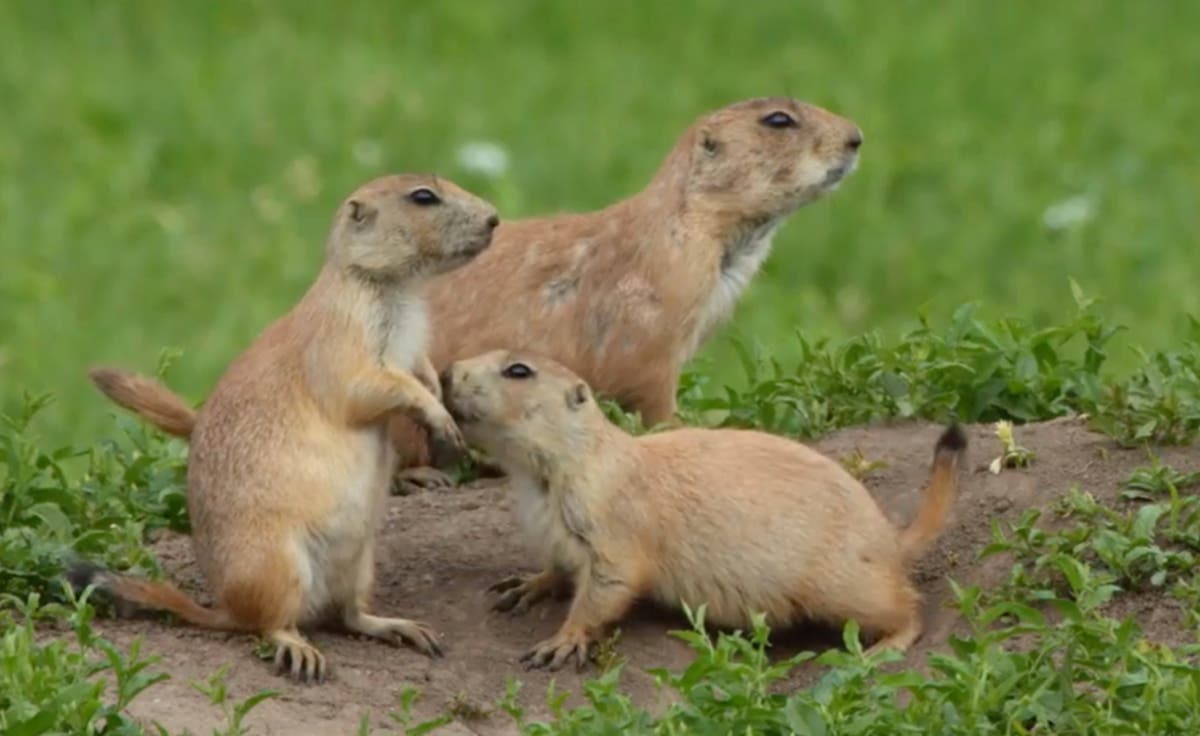
FORT COLLINS, CO - Pudgy and vocal, black tail prairie dogs in matriarchal colonies have co-existed with Coloradoans along the Front Range for decades. But the state’s new construction boom threatens their urban habitats in northern Colorado towns. Groups of “prairie dog advocates” are asking local governments to help relocate colonies instead of gassing them or bulldozing their habitats.
Members of a prairie dog “town” maintained their busy lives on six acres near the corner of Lemay Street and Buckingham Avenue in Fort Collins for more than 20 years. That was until New Belgium Brewery and a student housing developer bought parcels on the site.
“The prairie dogs were just so amusing to watch,” said Fort Collins resident Helen Taylor. “When we saw that development was coming to the area, we simply couldn’t bear the thought of seeing yet another lively prairie dog community cruelly exterminated in order to make way for development.”
Prairie dogs are ground squirrels around 14-17 inches long with reddish tan fur, large eyes, short ears and broad, rounded heads. They are known to stand watch outside their burrows and squeak when a threat is observed.
Even though prairie dog yips have been described as having “as much acoustic appeal as a chew toy,” the complicated language of prairie dogs has been studied by naturalists for years. Prairie dog calls can distinguish whether a predator is two-forted or four-footed, slithering or flying, experts say. Arizona Biologist Con Slobodchikoff says his 30 years of research shows prairie dog calls can even describe a color of shirt or say “he’s got a gun.”
“There needs to be more appreciation of this amazing species,” said Taylor.
Working with the Humane Society’s Prairie Dog Coalition, Taylor’s group, Northern Colorado Prairie Dog Advocates,convinced the city to allow them to relocate a prairie dog colony onto public land at the Cathy Fromme Prairie Natural Area. More importantly, the city changed their codes so developers must come up with a prairie dog remediation plan for any colony more than one acre in size.
Using baited cages, volunteers last year trapped more than 100 animals and transported them to 52 underground nesting boxes, but not before part of their colony had been abruptly exterminated by Capstone Collegiate Communities.
See video here:
Get free real-time news alerts from the Denver Patch.
Find out what's happening in Across Coloradofor free with the latest updates from Patch.
By clicking "Subscribe", you agree to our Terms of Use and Privacy Policy.
Prairie dog supporters consider the rodent a “keystone species” that supports other wildlife, said Boulder-based prairie dog relocater and wildlife policy advocate Pam Wanek of Prairie Preserves, LLC.
“Prairie dogs help hundreds of other species,” Wanek said. The rodents are a direct food source for highly endangered black-footed ferrets as well as foxes, badgers, coyotes and raptors. Prairie dog burrows create hospitable homes for salamanders, mice, turtles and frogs, and the endangered Western Burrowing Owl. Prairie dog excavation also has an influence on the landscape, Wankek said. Tunneling breaks up thick prairie grass roots underground which helps with water retention and promotes flowering species -- and that draws pollinators and birds, she said. More than 95 percent of the black tail prairie dog habitat has been removed by humans in the west.
Other prairie dog myths include:
Find out what's happening in Across Coloradofor free with the latest updates from Patch.
- Prairie dogs don’t carry the plague, fleas do, but plague can wipe out a colony quickly because the animals have no natural immunity.
- Prairie dog holes don’t break legs of cattle. That myth is a holdover from pioneer cattle drives. Cattle, bison and horses coexist well because livestock thrive on grass nibbled by prairie dogs.
- A 1960s agricultural bill called prairie dogs “destructive rodent pests” and lumped them in with ground squirrels, pocket gophers, jackrabbits, and rats. But prairie dogs don’t breed like other rodents. Females are in heat for only four hours yearly and give birth to one litter a year.
In Longmont, a developer walked away from a parcel this summer after the company could not come to an agreement on where to relocate prairie dogs. One proposal suggested transferring the animals to the Rocky Flats National Wildlife Refuge, operated by the U.S. Fish and Wildlife Service. Opponents of the move worried that burrowing rodents might unearth radioactive materials from the former site of a nuclear trigger manufacturing facility. But Director David Lucas said there are already prairie dog colonies on the refuge property and they are not near any nuclear areas.
Lucas said relocating urban prairie dogs is a “social issue, not a conservation issue,” he said. “These are small-scale actions rather insignificant to overall survival of prairie dogs.”
Longmont is now discussing a possible prairie dog village on public land, said David Bell, the city’s natural resources manager.
“How we manage prairie dogs is really an urban interface between wildlife and development in the state,” Bell said. Some of Longmont’s public lands already have prairie dog colonies, he said. “We’d rather see our prairie dogs as part of a functioning ecosystem rather than an exhibit. We don’t want to set it up as a zoo.”
To find out more about prairie dog relocation, and volunteer, you can attend the NOCOPDA fundraiser Sept. 21 at the Wolverine Farm Publick House.
PHOTO Courtesy Northern Colorado Prairie Dog Advocates
Get more local news delivered straight to your inbox. Sign up for free Patch newsletters and alerts.