Community Corner
Boulder Co. Latino History Project Celebrates 5th Anniversary
Project seeks to bring more recognition of Latino history in Front Range Colorado

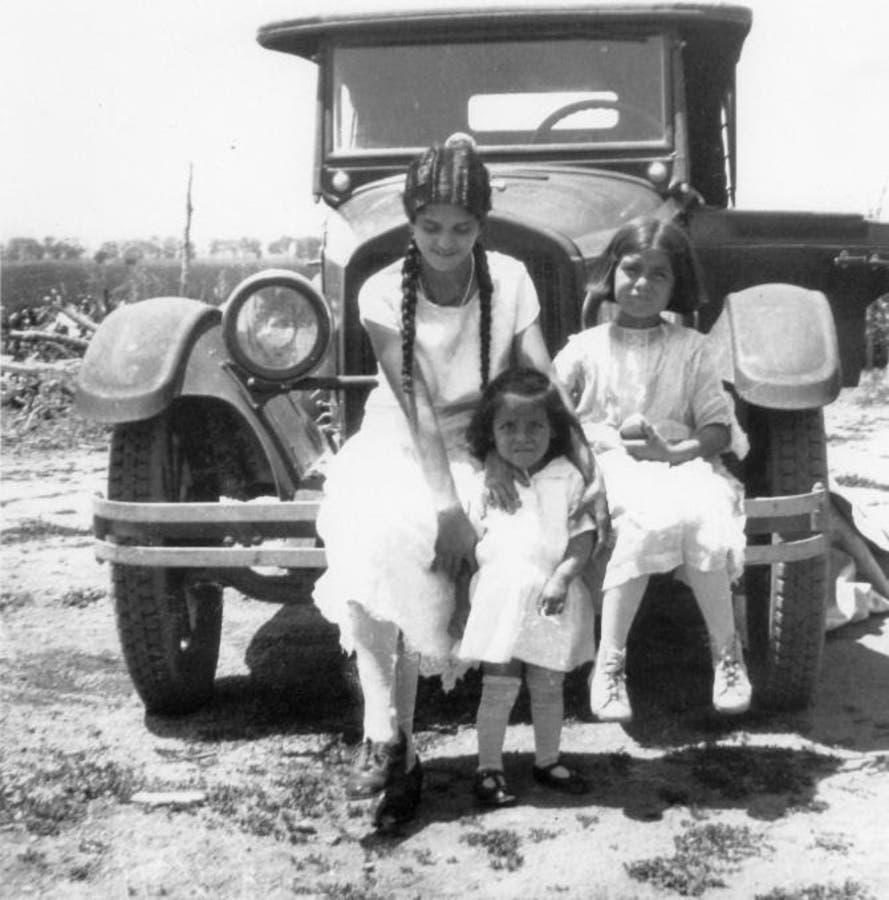

From The Latino History Project: “The Latino History Project comprises two primary components,” says Marjorie McIntosh, coordinator of the collaborative, grassroots effort and CU Boulder Distinguished Professor of History Emerita. “In collaboration with Latino community groups, local historical organizations, and interested individuals, we gather information about the history and culture of Latinos here, filling a gap in history books and school curricula. And we’re making that material available to a wide audience, including workshops for PreK-12 educators.”
High school and college interns involved in the project, along with Marjorie McIntosh, August 2013.
In 2013, some 80 community volunteers and 10 students intern started gathering historical data that is now easily accessible on the project website.
“Although Latinos have contributed to life in Boulder County for a long time, they are largely invisible in histories and descriptions of Colorado communities,” Marjorie continues. “The Latino History Project aims to fill that gap in knowledge by engaging our diverse Latino communities in documenting, sharing, and paying respect to their own – and their forerunners’ – contributions here over 100 years.”
The project’s emphasis on teen participation also helps young Latinos to develop a sense of cultural identity, and serves as a model for similar initiatives elsewhere. Indeed, while the project initiated in Boulder County, its reach now includes partnerships with other Colorado communities.
Adds Marjorie, “Recently, we’ve been approached by groups in other places across the state, asking if we’d help them gather information about their own Latino histories. So we’ll soon be working in Alamosa in the southern San Luis Valley, Trinidad in Las Animas County, Pueblo, and the Adams 12 School District.”
To date, the project has produced a robust, searchable repository of resources for teachers and others – audio, video, photos, newspapers, maps, documents, and more – as well as a two-volume book-set that’s downloadable on the project website.
“The books shed light on the arrival of Hispanics from Mexico, New Mexico, and southern Colorado between 1900 and 1940, and traces the experiences of Latinos over the course of four generations,” explains Marjorie, who authored the books. “Our study draws on a huge collection of 1,600 sources gathered by our volunteers and interns in 2013 and 2014, including oral history interviews, family biographies, films, and more.
“In the books and in our community presentations – and in workshops with teachers in both local school districts – we cover both the chronological history of local Latinos, as well as the social and cultural impact of their presence here.”
Find out what's happening in Boulderfor free with the latest updates from Patch.
Advisory Committee members at the book launch party, March 2016.
With the Community Foundation as the project’s first backer, the project has since generated broader support – especially from the University Colorado – and relies on the guidance of a 15-person advisory committee.
“It’s empowering for young Latinos here to know that they have their own histories and stories to tell, and that their heritage is being honored,” says Marjorie. “We’re leaving footprints for their children and grandchildren to see, and we’re creating awareness that Colorado has always been diverse with many different groups playing essential roles in our communities.”
Click here to donate to the Latino History Project (in the comment section, write “Latino History Project”).
Find out what's happening in Boulderfor free with the latest updates from Patch.
Images Via Latino History Project