Schools
Florida Shootings: Colo. Research May Help Prevent More Tragedies
A study by CU's Center for the Prevention and Study of Violence helps teach schools the lessons of Columbine and Arapahoe HS shootings.


BOULDER, CO -- Wednesday's news that the worst school shooting in Florida's history left 17 people dead and more injured at Marjory Stoneman Douglas High School in Parkland, Florida was an all-too-gruesome reminder for Bill Woodward. Woodward researches school violence at University of Colorado's Center for the Prevention and Study of Violence.
The 1999 Columbine High School massacre in Colorado was an early bell-ringer for school violence, a problem that would go on to become commonplace in the U.S. There have been 18 school shootings in the U.S. in the first seven weeks of 2018.
Colorado’s 2001 Columbine Commission, put together by then-Gov. Bill Owens, helped change the way U.S. law enforcement officers react to active shootings -- They now make stopping the shooter their first priority. The commission’s findings also helped schools and emergency departments across the country streamline communication. The Columbine Commission helped schools all across the country develop emergency crisis plans.
Find out what's happening in Boulderfor free with the latest updates from Patch.
But even with these changes in place, school shootings still take place. For Woodward and the Center, the 2013 Arapaho High School shooting in Littleton was a turning point.
In December, 2013, Karl Halverson Pierson, 18, a debate team member at AHS entered the school, loaded down with weapons. Within 80 seconds he had fatally shot a female student in the head and threatened a teacher and then killed himself.
Find out what's happening in Boulderfor free with the latest updates from Patch.
Woodward and the Center had a chance to analyze the Arapahoe High School shooting in detail, interviewing personnel, teachers, administration and law enforcement. Their 2016 report was funded by a grant from the Arapahoe High School Community Fund Honoring Claire Davis, named after the student who was killed in the incident.
The report was written to help schools spot missed opportunities to evaluate potential threats, and create a safer school climate to prevent these violent incidents from happening again, Woodward said when it was released.
Woodward said the Littleton school district missed the chance to set up three system-wide processes that may have prevented the AHS shooting. Those are processes that every school district should look at, he said.
The first process is information sharing. “A lot of people [at Arapahoe High School] knew a lot of stuff [about the killer] and nobody felt like they could talk to anybody else about it,” Woodward said. Students and teachers were aware of Safe2tell, an anonymous tip line (a recommendation of the Columbine Commission) but there had been no training or practice for students or staff, Woodward said.
Woodward said schools in more affluent areas like Littleton school district are more likely to have a blind spot for troubled students, he said. “The shorthand report is, ‘Great School, Two dead.’”
As for Parkland's information sharing, Woodward said in hindsight, the school might see missed opportunities to that they might have had to share information about expelled former student Nikolas Cruz, 19, who left "very, very disturbing" posts on social media, Brownard County Sheriff Scott Israel said.
“I think at [Marjory Stoneman Douglas High School] it’s likely in the days to come that people will come forward who knew a lot about [Cruz]" Woodward said. "The information just wasn’t shared.”
Indeed, there appeard to be warning signs about Cruz.
“All [Cruz] would talk about is guns, knives and hunting,” former classmate Joshua Charo, 16, told the Miami Herald. “I can’t say I was shocked. From past experiences, he seemed like the kind of kid who would do something like this.”
A math teacher said the staff was warned about Cruz. Jim Gard told the Herald the school administration earlier sent out an e-mail warning teachers.
“We were told last year that he wasn’t allowed on campus with a backpack on him,” said Gard, who had [Cruz] in class. “There were problems with him last year threatening students, and I guess he was asked to leave campus.”
The second process to help schools spot potential problems is to take threat assessment seriously, Woodward said. The Secret Service has published a threat assessment rubric that identifies 11 questions and six principles which can identify whether a person represents a threat, and rank what level threat they are.
Many schools use this tool, but staff training has to be made a priority, Woodward said. In the case of the Arapahoe High School study, Pierson, the shooter, was evaluated by an inexperienced staff at a level-one threat, but better trained staff could have found more red flags, ranking him higher, the report said. This might have triggered more helping strategies to be put into place for the troubled student.
The third opportunity schools miss is the chance to build a school-wide system to evaluate and act on any threat assessment, and make sure school personnel are trained system-wide.
“It shouldn’t just be the social worker who knows [a potential shooter] is troubled,” Woodward said. “The school needs a system to identify adults who can step up and relate to the kid, and they need to make sure the whole school knows what’s being done.”
Marjory Stoneman Douglas High School in Parkland had an emergency system in place, which may have saved many lives Wednesday. The Brownard School District tweeted that the school enacted a "code red" lockdown after the reports of gunfire.
Woodward said it’s too soon to know if Marjory Stoneman Douglas could have used any of these or other strategies to prevent the carnage at the school.
In Colorado, school districts are beginning to take school safety more seriously, Woodward said. In 2015, bi-partisan state legislators passed the Claire Davis School Safety Act. The new law holds school districts financially liable for $350,000 for single students seriously injured by violent acts, and up to $990,000 for multiple students injured or killed in a single occurrence. Previously, school districts were immune from law suits over student death or serious injury.
Woodward said in Colorado, districts are paying attention. “The Columbine Commission [report] has been out for years, but school districts are finally trying to look at their procedures because of the Claire Davis act," Woodward said. "We are getting a lot more interest."
Find out more about the Center for the Prevention and Study of Violence here.
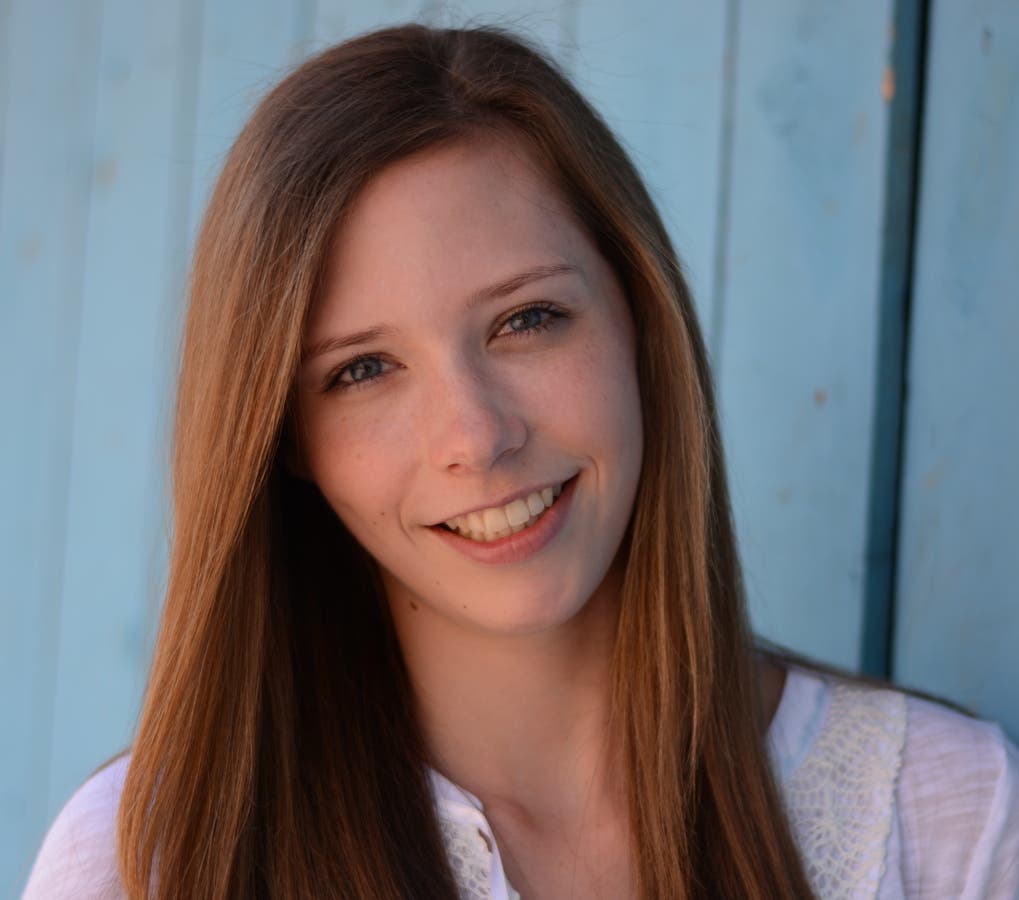
Image: Claire Davis from Davis Family
Get more local news delivered straight to your inbox. Sign up for free Patch newsletters and alerts.