Health & Fitness
West Nile Virus Found In Boulder County
Mosquitos in Erie, Louisville, and Longmont test positive for disease, the Boulder County Health Department said.


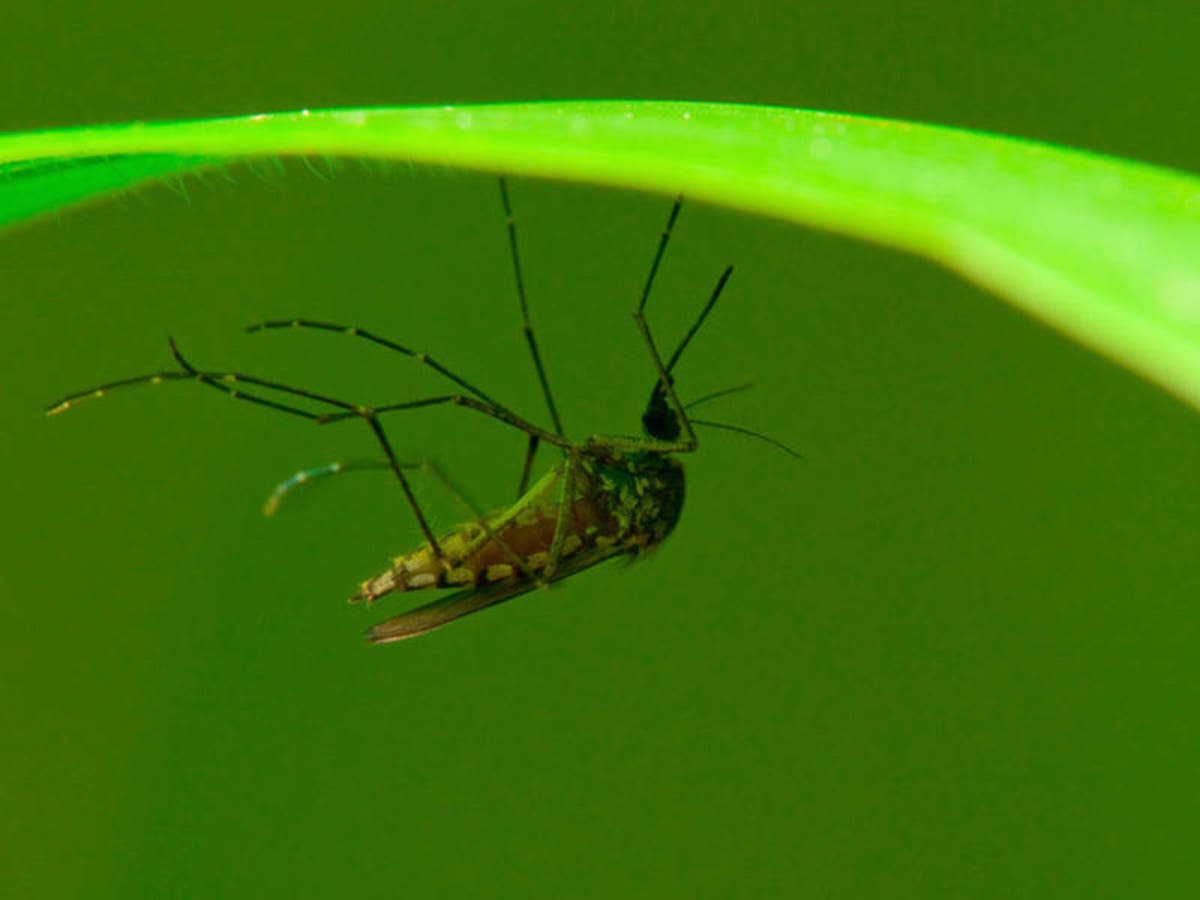
BOULDER COUNTY, CO – Mosquitos trapped by Boulder County public health officials in Erie, Louisville, and Longmont have tested positive for West Nile virus.
The blood-sucking insects with the hazardous virus were found in traps near West Canyon Creek in Erie, Coal Creek Golf Course in Louisville, and Jim Hamm Pond in Longmont, the county Boulder County Public Health department said in a statement.
“Even though it can be inconvenient, taking steps to protect ourselves and loved ones is the best thing we can all do to prevent becoming very ill,” said Gina Bare, Boulder County Public Health environmental health specialist in a statement. “Our recent high temperatures and wet weather have created the ideal environment for mosquitoes to breed.”
Find out what's happening in Boulderfor free with the latest updates from Patch.
So far no human cases of West Nile have been reported in Boulder County this year, said Chana Goussetis, spokesperson for BCHD.
"We tend to get find positive mosquitos in the pool and then get human cases after a delay," Goussetis told Patch.
Find out what's happening in Boulderfor free with the latest updates from Patch.
Even though Boulder county regularly sprays for mosquitos, the percentage of virus-infected mosquitos found in traps indicates whether an area needs an emergency pesticide spray, the county said. A measurement called the "vector index" is used to indicate the risk of West Nile transmission. Emergency spraying may be recommended when the vector index reaches 0.75 or higher. Neither area currently measured is at that level, with 0.13 for Zone 3 (Erie and Louisville combined) and 0.11 for Zone 2 (Longmont).
Boulder County's spray schedules can be found here.
West Nile is transmitted to humans from the bite of an infected mosquito. The disease symptoms appear 3-14 days after being bitten and include fever, extreme fatigue, headache, body aches, and can also include skin rashes and swollen lymph nodes, the health department said. WNV can be dangerous for elderly or immune-compromised people, and serious cases can cause encephalitis (inflammation of the brain) and/or meningitis (inflammation of the brain's lining), loss of vision, paralysis, coma, tremors, convulsions, and death.
Colorado's Front Range was Ground Zero for West Nile in 2003, when 2,947 human cases were reported to the Colorado Department of Public Health and Environment. Since then, the number of human cases reported has been fewer than 300, with only 69 cases reported in 2017.
West Nile has no treatment, cure, or human vaccination for the virus, and the only way to prevent it is by not catching it in the first place.
Boulder County Public Health officials urge residents to follow the 4Ds:
- Use DEET-enhanced insect repellent or alternatives, including Bite Blocker, Picaridin, Oil of Lemon Eucalyptus, or IR3535.
- DRESS in long sleeves and pants.
- Avoid the outdoors from DUSK until DAWN.
- DRAIN standing water outside your home.
Related: West Nile Virus: Remember '4 Ds,' Says Broomfield Health Dept.

For more information about West Nile virus, mosquito activity in Boulder County, or steps you can take to protect yourself, visit www.BoulderCountyMosquito.net.
Image via Shutterstock
Get Patched In:
Stay up-to-date on Boulder news with Boulder Patch! There are many ways for you to connect and stay in touch: Free newsletters and email alerts | Facebook
Get more local news delivered straight to your inbox. Sign up for free Patch newsletters and alerts.