Health & Fitness
Broomfield Dog Died Of Plague: CSU Vet Hospital
The dog began to show symptoms a couple days after sniffing a dead prairie dog, reports said.


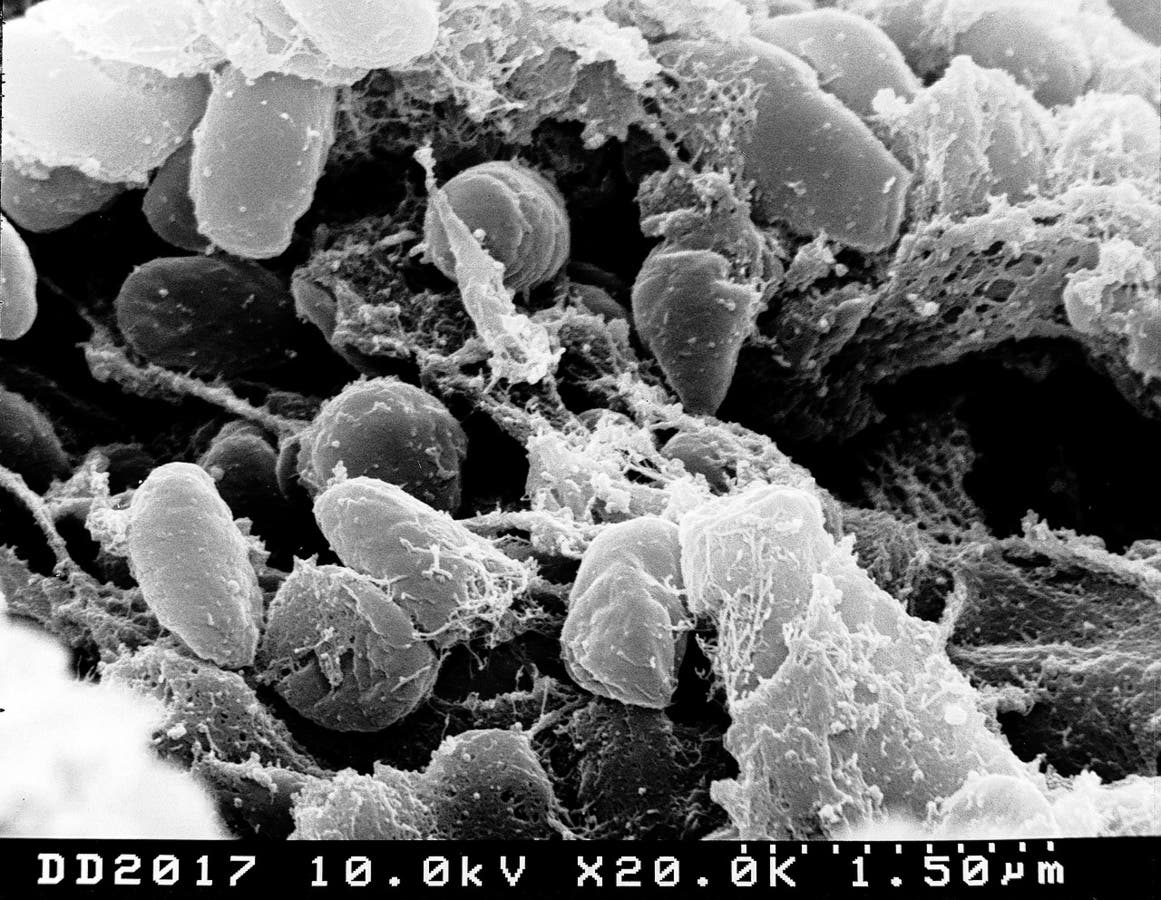
BROOMFIELD, CO -- A dog belonging to a Broomfield family contracted plague, possibly from a prairie dog, and was euthanized last week at Colorado State University, the CSU School of Veterinary Science reported. The dog was brought to the vet hospital Friday, and Yersinia pestis (pneumonic plague) was diagnosed Sunday. At that point, all students and any staff that were in contact with the dog were notified and put on a preventative antibiotic, the university said in a statement. Other animals in the hospital were also dosed with preventative antibiotics.
The dog was put on an antibiotic, but ended up being euthanized, the school said.
Larimer County health officials reported the dog may have contracted the plague from sniffing a dead prairie dog a day or two before showing symptoms of illness.
Find out what's happening in Broomfieldfor free with the latest updates from Patch.
Pneumonic plague can be contracted from breathing in nearby droplets from an infected coughing animal or human. This transmission usually requires direct and close contact with the ill person or animal. Plague is not uncommon in our rodent populations in Colorado, and the potential of infections in our domestic animals exists throughout the state. This dog was the 7th domestic pet found to have plague in Colorado this year. It is rare for humans to develop plague, but it can happen. Plague is treatable if caught early.
"Plague is treatable with antibiotics, if it's identified soon enough," said Katie O'Donnell of the Larimer County Dept. of Public Health. Plague is common in rodents and found in Northern Colorado. Plague is rarely diagnosed in pet dogs, and more often seen in pet cats, who recover pretty quickly with treatment, O'Donnell said.
The bacteria most commonly spreads via a bite from an infected flea. Less commonly, it can spread through direct contact with body fluids or tissue from an infected person or animal, or by breathing in infected droplets from the cough of an infected person, generally limited to those with close contact.
"It's all about catching [the plague diagnosis] quickly," O'Donnell added. Symptoms include a sudden high fever, headache, chills, and weakness and one or more swollen, tender and painful lymph nodes (for bubonic plague).
Find out what's happening in Broomfieldfor free with the latest updates from Patch.
Plague is a bacteria that can be transmitted to people and pets through flea bites and direct contact with infected animals, according to the Larimer Co. Health Department. The bacteria can be carried by fleas, which can be found on rodents like prairie dogs, squirrels, rabbits and chipmunks. When fleas bite rodents infected with plague, they become infected and can then spread the disease to other rodents, domestic animals and humans. In humans, the incubation period is usually 2-7 days.
In 2015, a Larimer County teen died of a rare form of plague which had a late diagnosis because his symptoms were confused with the flu.
The Centers for Disease Control says an average of seven human plague cases are reported each year across the country. Plague is usually found near the Four Corners region in the Southwest and parts of California, Oregon and Nevada.
TIPS TO PREVENT PLAGUE from Larimer Co. Health Dept.
- Avoid contact with all sick and dead rodents and rabbits. Look for the presence of blow flies or dead animal smell as evidence of animal die-offs. Prairie dog colonies that suddenly are not active may also be due to plague activity in the area. Report such die-offs to Larimer County Department of Health and Environment at 970-498-6775.
- While hiking, treat pants, socks, shoe tops, arms and legs with insect repellents.
- Keep your pets from roaming and hunting, and talk to your veterinarian about using an appropriate flea control product.
- Sick pets should be examined promptly by a veterinarian.
- If you hunt or trap rabbits or carnivorous wild animals, wear gloves and a respiratory mask while skinning or handling these animals. Fresh pelts may be treated with flea powder.
- Bites from wild carnivores and from cats and dogs have caused human plague. Such animals may be infected, carry the bacteria in their mouths or may transport infective fleas. If you are bitten, follow-up with your health care provider.
- DO NOT feed or entice any rodent or rabbit species into your yard, back porch, or patio.
- Eliminate rodent habitat, such as piles of lumber, broken cement, trash and weeds around your home, outbuildings and cabins.
- When outdoors, minimize exposure in rodent-infested areas. Do not catch, play with, or attempt to hand feed wild rodents.
Image of bubonic plague through an electron microscope via Pixabay
Get more local news delivered straight to your inbox. Sign up for free Patch newsletters and alerts.