Community Corner
BBB's Warning: Verify Licenses First — Including for Patio Covers and Outdoor Living Projects
Colorado Springs homeowners should verify contractor licenses, insurance and permits before hiring patio cover installers.
This is a paid post contributed by a Patch Community Partner. The views expressed in this post are the author's own, and the information presented has not been verified by Patch.
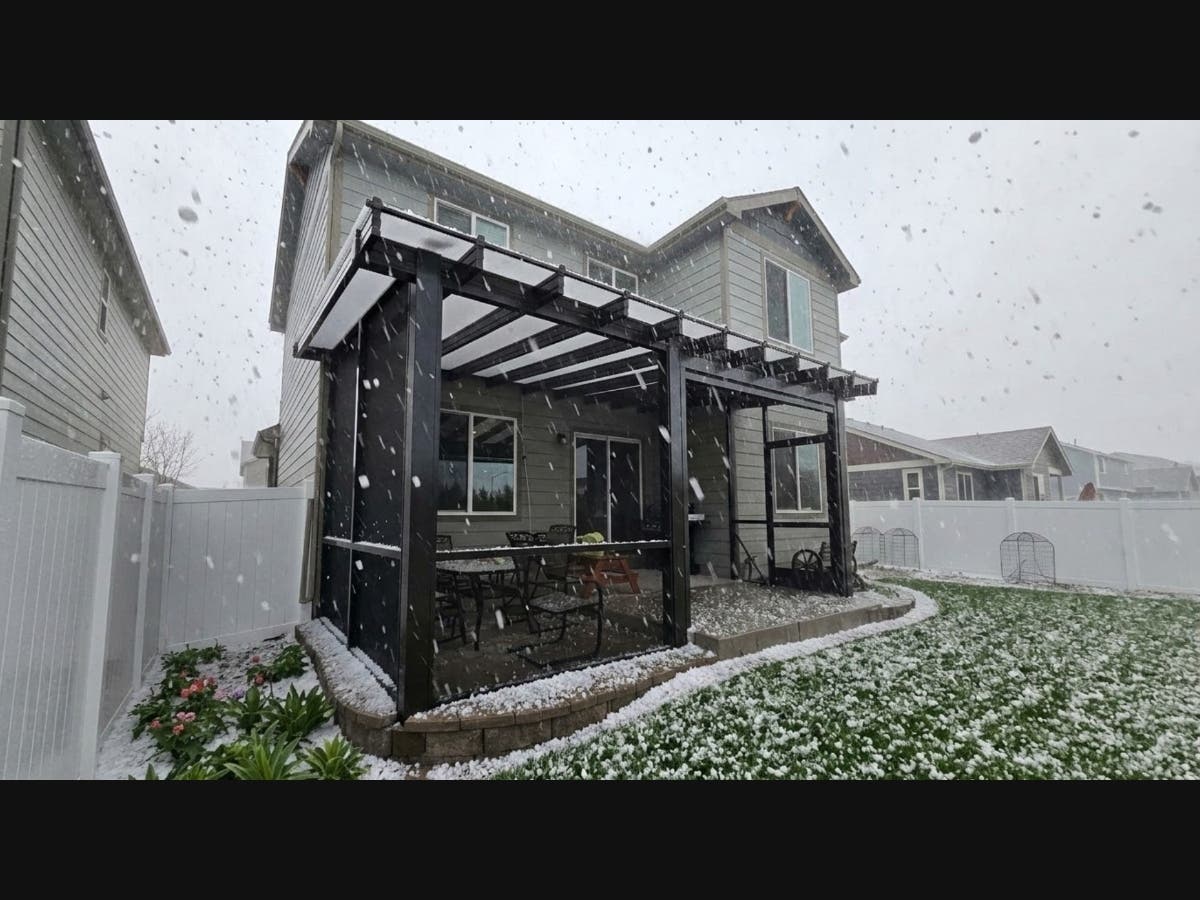
The June hailstorm in the Colorado Springs area put homeowners under pressure to quickly repair damaged properties. It also brought renewed attention to contractor scams, with the Better Business Bureau warning residents to check credentials before agreeing to work.
This advice applies to a wide range of repairs, including patio covers, enclosures and other outdoor structures. These projects still involve construction, permits and structural considerations, so homeowners should understand local requirements and know who is responsible for permits, inspections and the work itself.
What Should You Look for in a Patio Cover Installer?
After hail struck parts of southern Colorado Springs, including Security-Widefield, in June 2026, the Better Business Bureau (BBB) warned homeowners about potential contractor scams. It encouraged them to verify credentials before agreeing to repairs.
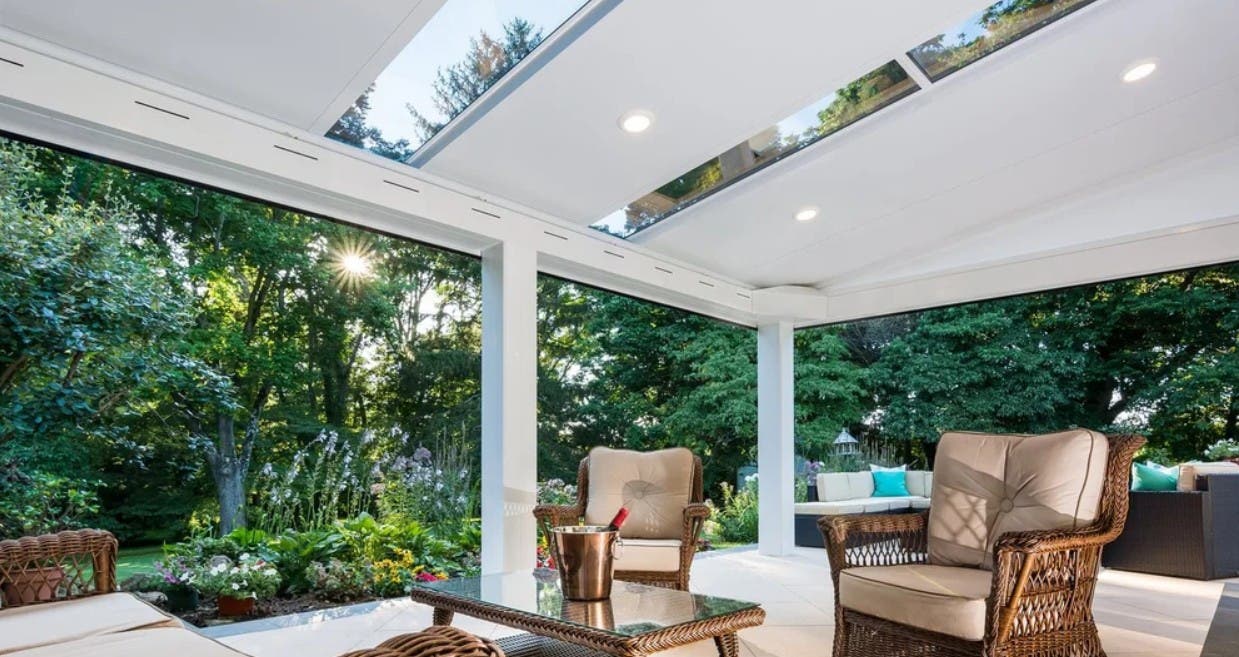
That advice applies to patio covers, too. You may not be dealing with storm damage, but you’re still hiring someone to carry out construction work on your property.
Before you sign a contract, BBB advises checking:
- Licensing: Ask for the contractor's current license number and verify it independently.
- Insurance: Request proof of liability and workers' compensation coverage.
- References: Look for recent projects similar to yours in the Front Range.
- Permits: Ask which permits your project requires and who will obtain them.
- Written estimates: Make sure the scope, materials and costs are clearly documented.
- Business information: Check that you can identify and contact the company after the work is complete.
Why should you be selective about who installs your patio cover? For one, BBB warns, “Bad contractors will be reluctant to share this information, and scammers won’t wait for you to do your homework.”
Moreover, a patio cover is part of your home's construction, so the quality of the installation can affect its safety, durability and compliance with local requirements. A contractor who understands the permitting process, uses appropriate materials and accounts for Colorado's weather conditions can help you avoid problems that may be costly to correct later. The hailstorm simply put that risk in the spotlight. The same checks are worth making for any outdoor living project, even when the skies are clear.
Do Patio Covers Need Permits in Colorado Springs?
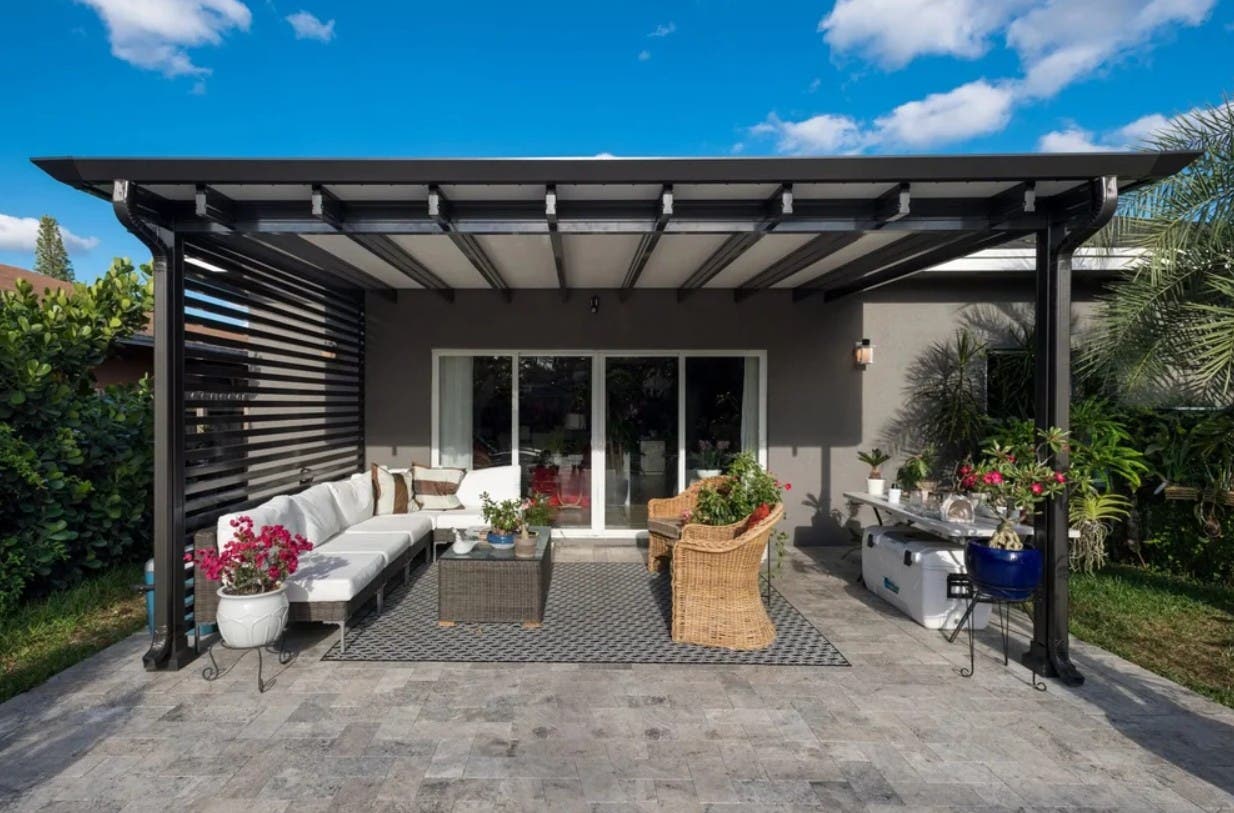
You shouldn’t assume a patio cover is too minor to require a permit in Colorado Springs and parts of El Paso County. The Pikes Peak Regional Building Department (PPRBD) lists patio or deck enclosures and/or covers among construction work subject to permitting requirements. This includes all patio covers, such as solid-roof, louvered and shade structures.
The exact requirements can depend on the project and jurisdiction, so the installer should be able to explain what approvals apply and who will obtain them.
According to Colorado Sunroom and Window, a home remodeling company with more than 40 years of experience, requirements can also vary by location and HOA rules. Company president Thomas Thompson — who carries a Commercial Class B License in Denver with similar certificates in 15+ municipalities, plus CGR and CAPS designations with the National Association of Home Builders — says some Colorado neighborhoods may require additional approvals for patio enclosures and similar structures.
“In Colorado, covers must meet standards for snow loads, wind resistance and structural integrity,” Colorado Sunroom and Window notes. A contractor who casually suggests skipping a required permit to save money is therefore a significant warning sign.
How Do You Verify a Contractor's License in Colorado Springs?
Storms create urgency, but a patio cover generally doesn’t require the same immediate response as a leaking roof or broken window. There is time to check the licenses, compare estimates and make sure the contractor is accountable for the work. Here’s how to find a good contractor for a patio cover in the Front Range, including Colorado Springs.
Step 1: Visit the PPRBD Website
Use the PPRBD’s contractor resources to find the relevant directory. Search using the business name or license information provided by the contractor.
Step 2: Match the Listing to the Company
Make sure the directory result actually belongs to the business you're considering. Compare the legal or business name with the information on its proposal, website and other paperwork. If the names don’t match, ask why.
Step 3: Check the License Status
Look for an active status rather than assuming that a license number means the credential is current. Colorado Virtual Library's Amy Zimmer explains that you can look up a company’s license, suspensions and disciplinary actions. “In Colorado, these licenses are required to be publicly available to search,” Zimmer explains. That allows consumers to check whether a professional is active and current and whether there are suspensions or disciplinary actions.
Step 4: Confirm the Classification
An active license is only useful if it covers the type of work being performed. For instance, according to the PPRBD, building contractors need a B-E license to construct, alter and repair patio covers. Ask the contractor which classification applies to your project and confirm the requirements with PPRBD if anything is unclear.
Step 5: Ask About Permits
Licenses and permits are not interchangeable. Ask which permits the project requires, who will submit them and who will arrange inspections. A reputable installer should be able to give a clear answer.
Step 6: Verify the Insurance
Request current certificates of insurance before work starts. If subcontractors or separate installation crews will be involved, ask who carries coverage for those workers.
Step 7: Keep the Records
Save the license information, insurance documents, proposal, contract, permit details and warranty. These records can become important if there is a disagreement later.
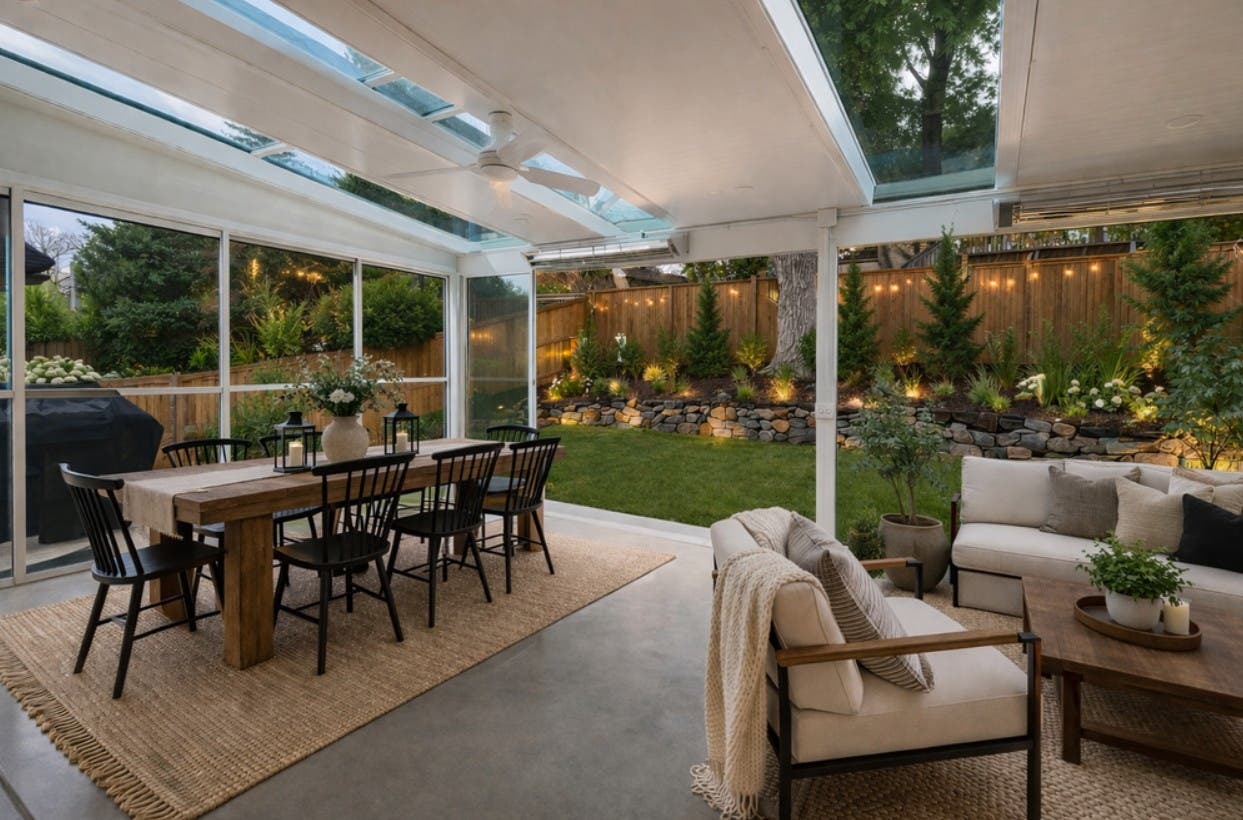
How to Identify Reliable vs. Unlicensed Patio Cover Contractors
The following factors may help you find a reliable contractor for your patio cover projects.
| Green Flags | Red Flags |
| Provides license information | Avoids questions about licensing |
| Supplies a written estimate | Gives only verbal pricing |
| Explains applicable permits | Suggests permits are unnecessary |
| Provides local references | Cannot show comparable work |
| Shares insurance documentation | Refuses to provide proof |
| Gives homeowners time to review | Creates pressure to sign immediately |
| Explains the installation process | Gives vague answers about who does the work |
The price deserves scrutiny, too. A June 2026 Colorado Springs housing market report found that 43.4% of listings had experienced a price reduction. That figure doesn’t say anything directly about patio-cover contractors, but it provides context for homeowners watching their spending. A surprisingly low bid can be appealing when budgets are tight, but it shouldn’t lower the standard for checking credentials.
Colorado Sunroom and Window notes that outdoor project costs can depend on factors such as contractor fees, materials, site preparation, permits and regulations, as well as the structure's type, size and design. Comparing estimates, therefore, means comparing the work included, not simply choosing the smallest number.
What Front Range Climate Factors Should Patio Cover Installers Address?
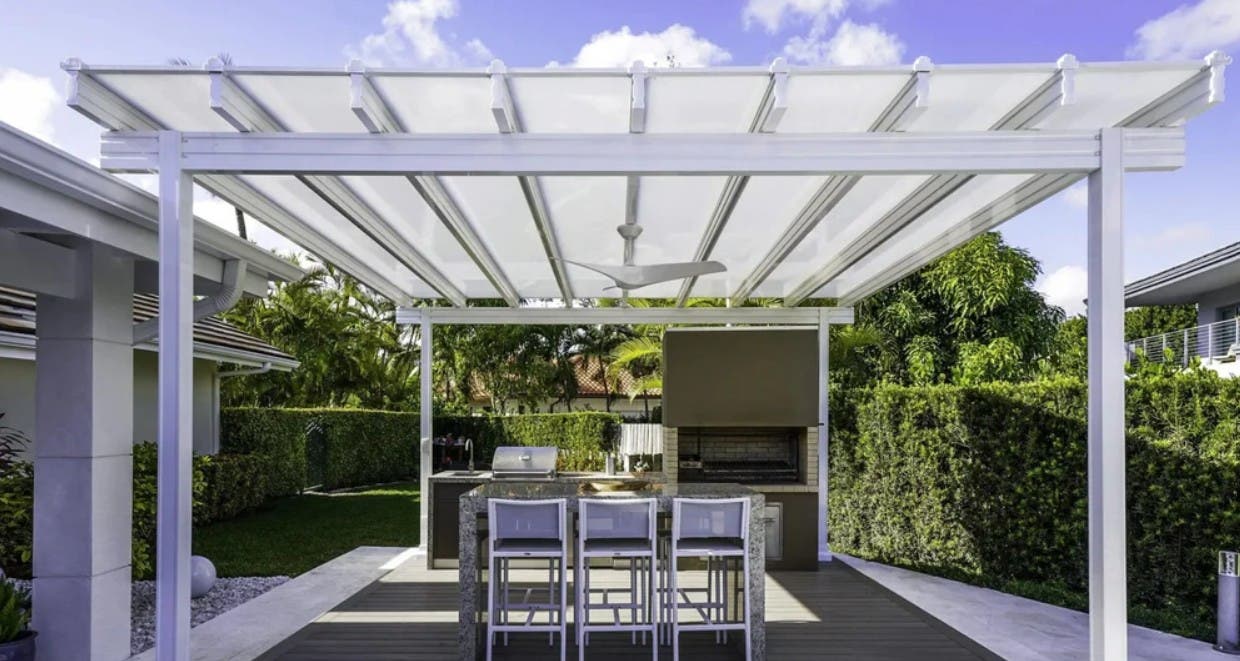
License verification is the baseline, but when you’re choosing a patio cover installer in Colorado Springs, you also want someone who understands the conditions the structure will face.
Colorado Sunroom and Window states that a patio cover will protect outdoor furniture, extend your outdoor season and provide protection from storms. “With Colorado's high altitude, intense UV radiation can fade or damage your outdoor furniture. Heavy winter snowfall may also crack or wear down patio surfaces,” it explains. Proper installation is key to year-round protection.
1. Wind
Strong Front Range winds can put significant stress on a patio cover, particularly its connections and anchoring. In February 2026, winds in the Pikes Peak region reached 81 mph, with sustained winds commonly measured between 20 and 40 mph. The Denver Gazette noted that the area’s previous record was 91 mph during a 2019 bomb cyclone. Your installer should therefore account for local wind exposure when determining the structure's design and attachment requirements.
2. Snow and Ice
Winter precipitation creates another structural consideration. Your patio cover needs to be designed for the applicable snow loads, rather than simply relying on a standard structure designed for a milder climate. Ask how the proposed design accounts for accumulated snow and how water and melting ice will drain.
3. Soil and Footings
Ground conditions can vary across the Front Range, including areas with expansive soils. Your installer should assess the site and use footing and foundation details appropriate for the property's soil conditions, rather than assuming the same approach works everywhere.
4. Temperature and Sun
Colorado Springs can experience substantial temperature extremes. In August 2026, the city reached 97° Fahrenheit, breaking a 57-year-old daily record. That means materials also have to cope with freezing winter conditions, intense sunlight and repeated expansion and contraction over time.
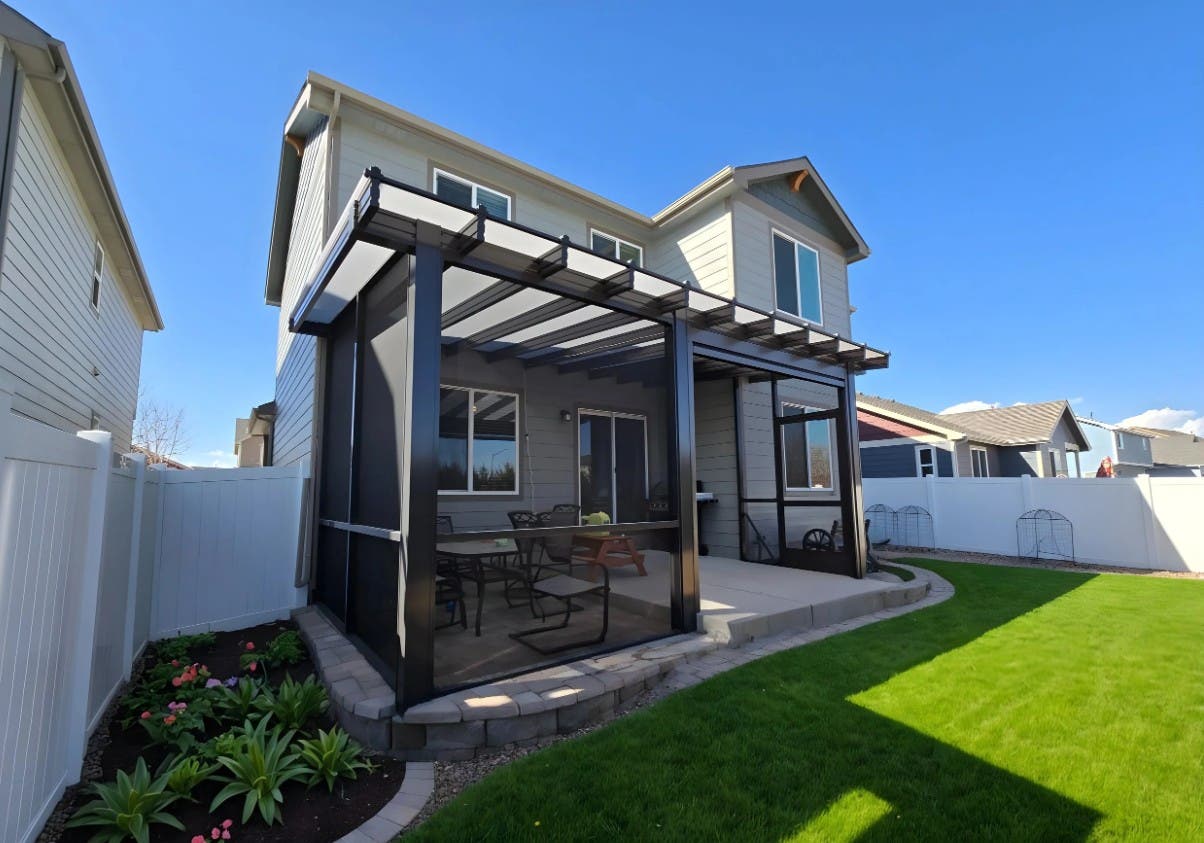
Cover Your Bases Before Covering Your Patio
The June hailstorm brought contractor scams into sharp focus, but the lesson is useful long after storm cleanup ends. Finding a reliable patio cover installer in the Colorado Front Range means checking credentials, understanding permit requirements, looking for genuine local experience and comparing contracts carefully.
This post is an advertorial piece contributed by a Patch Community Partner, a local brand partner. To learn more, click here.