Community Corner
Enclosing a Denver Patio? How City Building Rules Treat Sunrooms and Enclosed Patios
Denver treats enclosed patios and sunrooms as part of the home. Here's what that means for permits, windows and choosing a builder.
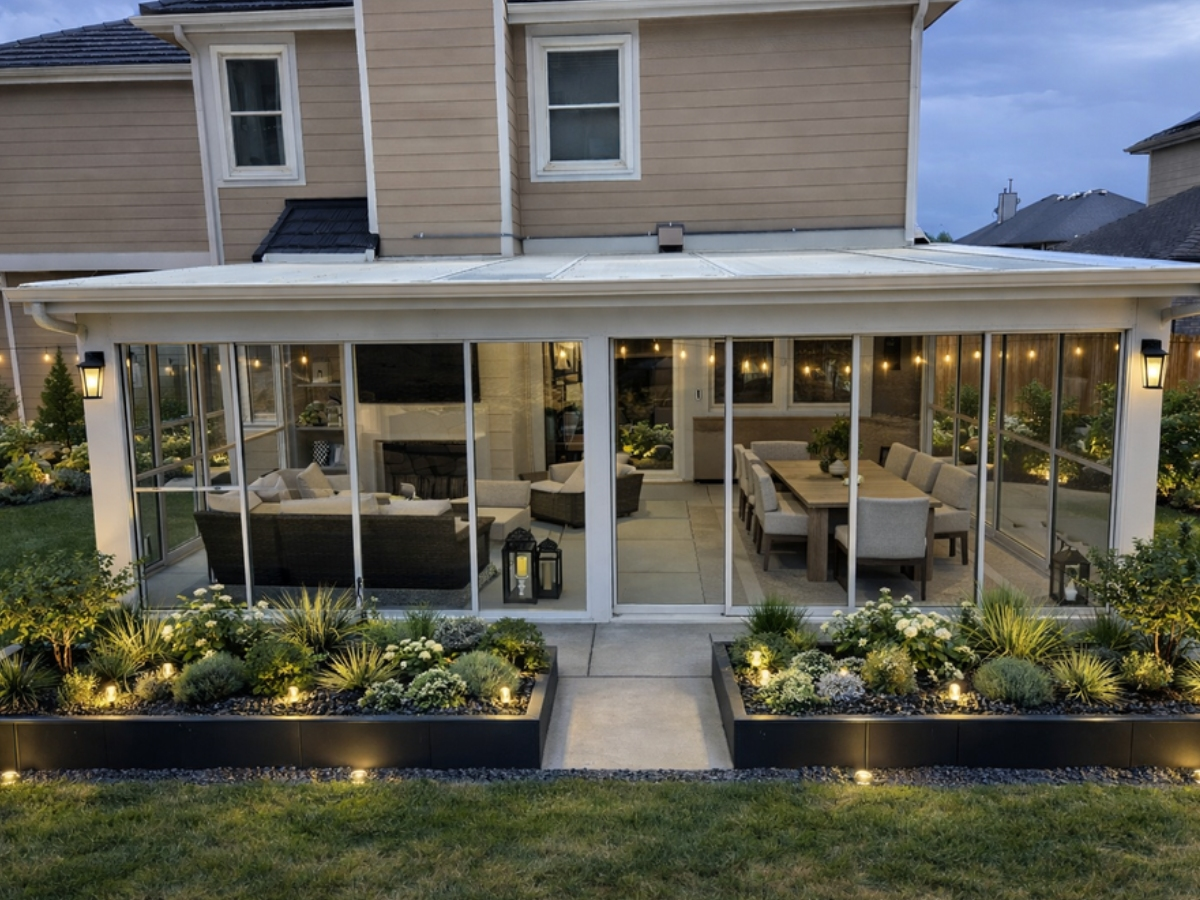
This is a paid post contributed by a Patch Community Partner. The views expressed in this post are the author's own, and the information presented has not been verified by Patch.
Real walls and windows can turn a covered patio into a usable room. In Denver, the Denver Residential Code (DRC) treats an enclosed patio or sunroom as part of the house, so it is subject to the same exterior wall requirements. You can still enclose your patio. How much glass each wall may hold depends on how close that wall sits to your property line, and that distance shapes the whole design.
What Denver's Patio Enclosure Rule Actually Says
Denver's rule runs short, but its numbers matter once you start planning windows. Under Denver's exterior wall requirements, “Enclosed patios or sunrooms are considered to be part of the dwelling and are subject to exterior wall requirements under DRC R302.1.”
Patio walls must therefore meet the same exterior wall requirements as the rest of your house. The key factor is distance. The closer a wall is to a lot line, the less of it can be used for windows and doors.
| Denver's Enclosed Patio Rule at a Glance | Details |
| Current policy version | Effective January 14, 2026. |
| Policy | DRC R302.1, Exterior Wall Requirements for DRC Buildings. |
| What it covers | Covers enclosed patios and sunrooms, which count as part of the dwelling. |
| Opening limit | The policy generally limits windows, doors and other openings to 25% of the wall area when a wall is within 3 feet or less than 5 feet from a lot line. |
For most homeowners, that means planning window placement around the property line, which the policy calls the lot line, before the design is final. For example, a 100-square-foot wall can generally hold up to 25 square feet of openings when placed from 3 feet to 5 feet or less from the lot line. Understanding the rule is step one. Turning it into an approved project is step two.
Does Your Denver Patio Project Require a Permit?
“Yes, most patio enclosures require building permits. The specific requirements depend on the type of enclosure, its size and your municipality's regulations,” saysColorado Sunroom and Window, a family-owned Denver builder with more than 40 years in business. Because an enclosed patio counts as part of your home, permits are required for the project from the start. In Denver, all covered structures, including patios and porches, need a zoning and building permit.
When one builder handles both the permit and the construction, the plans the city approves and the work done on-site come from the same source. That can make it easier to keep an enclosure in line with structural, electrical and safety standards. Permit handling is one of several signs of a quality contractor, so choose carefully when your project requires windows or enclosing of existing spaces to create a sunroom or patio.
How to Vet a Builder for Walls-and-Windows Patio Enclosures
Some outdoor contractors focus on patio covers, while others also build the walls, windows and doors that enclose the space. When comparing Denver patio contractors and builders, ask which ones offer both design and installation.
Questions to Ask Before You Sign a Contract
A few direct questions can show whether a builder handles the full job.
| Question to Ask | Why It Matters |
| Do you install full enclosures with walls and windows, not just patio covers? | Some contractors focus on covers, roofs or shades. This confirms the builder can handle a fully enclosed patio or sunroom. |
| Will one team handle both design and installation? | A single team can help keep the design, permit plans and on-site construction aligned. |
| Will my current patio structure need upgrades before it can be enclosed with walls and windows? | Some patios may work with an enclosure, while others may need structural upgrades or new construction. |
| Will you measure my patio and lot-line distances before finalizing the design? | In Denver, lot-line distance can affect how much glass each wall may include, so measurements should guide the design. |
| Who will apply for permits and manage the approval process? | The permit holder is responsible for the work covered by the permit, so homeowners should know whether they or the builder will carry that responsibility. |
An on-site consultation is where those answers take shape. A builder should look at the patio itself, including its size, roof and lot-line distances, before recommending an enclosure. Colorado Sunroom and Window describes the visit as a chance to “assess your patio and recommend the best enclosure option for your space and budget.”
Eligible homeowners can apply for their own permits, but that choice carries weight. According to Denver's Community Planning and Development department, “The permit holder bears responsibility for the work covered by the permit.” If a builder asks you to pull the permit in your name, you would hold that responsibility, so it helps to ask who handles permits before you sign.
How to Keep Your Enclosed Patio Comfortable Through Denver's Weather Swings
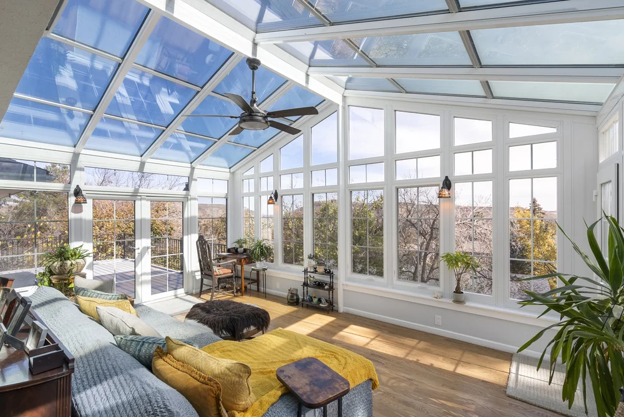
An enclosure earns its keep when you can use it comfortably through every season. Denver's weather can swing from summer heat to deep winter cold. A patio that runs too hot in July or too cold in January may sit unused, which is why glass type, design and build quality matter.
Efficient glass can help limit heat gain in summer and heat loss in winter. According to ENERGY STAR, households that swap single-pane windows for certified models may see their energy bills fall by up to 13% nationwide. Actual savings vary by home and design.
A covered patio with a solid roof can sometimes be enclosed without building a new roof by adding walls and windows beneath the existing one. Colorado Sunroom and Window notes that the doors, insulated walls and energy-efficient windows go “[walls under or] directly beneath your existing roof.” Patios with other kinds of covers may need a different plan.
Frequently Asked Questions About Denver Patio Designs
Choosing a builder and planning an enclosure raises a handful of practical questions.
Who builds patio enclosures with walls and windows in the Denver area?
Builders that install full enclosures handle the walls, windows and doors in addition to the roof or cover. Look for a builder, such as Colorado Sunroom and Window, whose team handles design, permitting and installation of the full enclosure, including walls and windows.
Which Denver patio enclosure builders offer design and installation?
Design for an enclosure means planning around lot-line distances and the glass limits on each wall. Builders that also install with their own crews keep design and installation connected.
How much does a patio enclosure with windows cost in Denver?
Three factors usually drive the cost. An existing patio with a solid roof can be priced differently from new construction. The amount of glass and insulation in the design affects the total and the permit work involved. Asking each builder for a written estimate that itemizes those factors makes comparisons easier.
Can my existing patio support an enclosure with walls and windows?
A covered patio with a solid roof may support an enclosure, though every patio is different. If any wall is between 3 feet and less than 5 feet from a lot line, Denver’s 25% opening cap generally limits windows, doors and other openings on that wall.
Planning Your Next Step Toward an Enclosed Patio
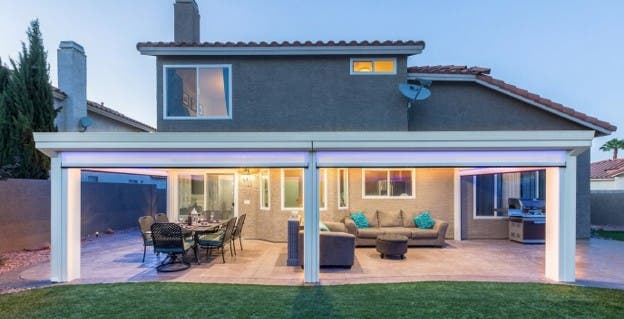
Denver's exterior wall rules allow you to enclose your patio with walls and windows, and the details come down to wall spacing, glass limits and permits. A good first step is an on-site consultation with a builder who handles design and permitting, so the plan fits both your patio and the city's rules before you commit.
This post is an advertorial piece contributed by a Patch Community Partner, a local brand partner. To learn more, click here.