Politics & Government
Exonerated After 28 Years: Denver's Clarence Moses-El Speaks Publicly Of His Time In Prison
He endured almost 3 decades behind bars, trashing of DNA evidence, and a retrial for a 1987 rape conviction before walking free in Nov.


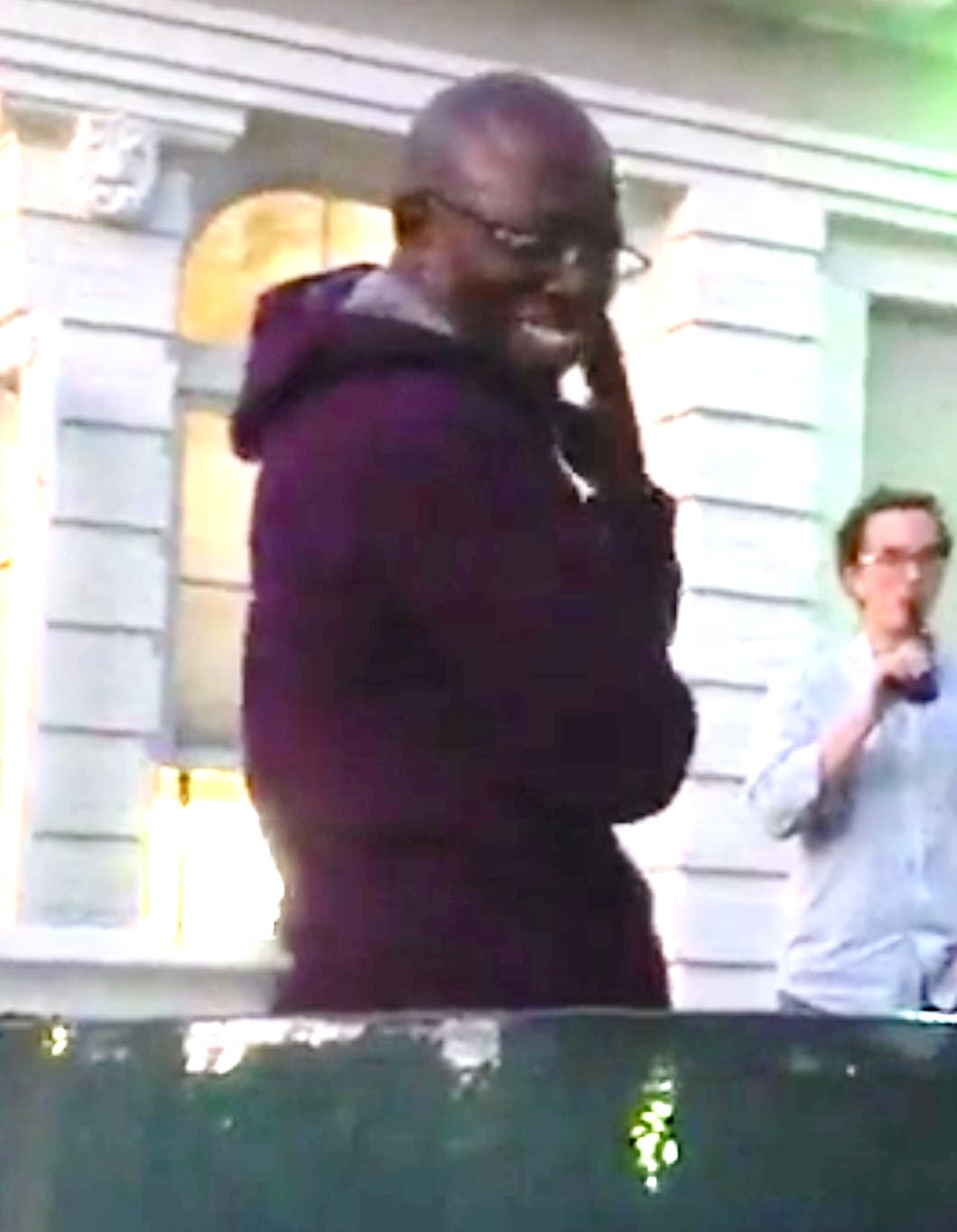
DENVER, CO -- Running laps around the prison yard and his mother’s love were some of the things that kept Clarence Moses-El sane while he served 28 years in prison for a rape he knew he didn’t commit. He also did a lot of reading of law and history books, he said to a Denver crowd Thursday night. Moses-El spoke publically about his incarceration and exoneration at a fundraiser for the Colorado Independent, an online non-profit news source.
Former Denver Post reporter Susan Greene, publisher of the Independent, spent 12 years covering Moses-El’s case.
“I wanted as many people as possible to hear Clarence’s story and know what he means to me, and how much he has to say,” Greene told the group. She praised Moses-El’s lack of anger about the three decades of his life spent incarcerated. “I’ve carried bitterness about this case for 12 years and he has not. He let other people carry it for him,” she said.
Find out what's happening in Denverfor free with the latest updates from Patch.
In September, Greene was awarded the 2017 Civil Rights Award from the Colorado ACLU because of her reporting on Moses-El and other cases in the Colorado criminal justice system.
“No journalist has watchdogged Denver’s wayward jails better than Susan,” said former ACLU of Colorado Board Member Mari Newman in a statement.
Find out what's happening in Denverfor free with the latest updates from Patch.
Mose-El’s original arrest, conviction and sentence to 48 years in prison, hinged on a dream. The victim, a neighbor, was attacked, raped and beaten in her Federal Heights home after a night of drinking in August, 1987. She said she was able to identify her attacker as “Bubbles” (Moses-El) after a dream at the hospital.
Facebook Live: Watch Clarence Moses-El talk about his time in prison and exoneration here:
Moses-El told the crowd Thursday he was arrested while riding his bicycle with his three-year-old son. “I said, ‘Are you crazy?’” he remembered. Originally from Baltimore, Moses-El said he was abusing alcohol and drugs at the time of his arrest, and described how he was sucked into the criminal justice machine.
Over the years, another man, L.C. Jackson who had been in the victim’s apartment earlier in the evening, confessed to the rape, and then later recanted. Jackson was convicted of other sexual assaults and also served time in prison. The victim was also feuding with Moses-El’s wife at the time, case records showed.
After Jackson confessed, a judge vacated Moses-El’s conviction after 28 years, but District Attorney Mitchell Morrissey demanded a retrial of Moses-El in fall, 2017, shortly before his term-limited office ended in January. A Denver jury found Moses-El not guilty in Nov., 2016 and he walked from prison a free man.
Moses-El said he told everyone he met in prison that he was innocent. In the 1990s, he reached out to Barry Scheck of the Innocence Project a national organization that works to clear the falsely accused, to help him get access to DNA testing of evidence collected for the crime.
“Mo raised $1,000 from other prisoners for a DNA test,” Greene said.
The evidence was placed in a box marked “Do Not Destroy,” and kept in storage for four weeks, but then Denver police threw the box in a dumpster.
“They broke their own rules and threw out the only key to my freedom,” Moses-El said from Kit Carson Correctional Facility in Burlington in a 2007 Denver Post interview. It would be almost ten more years before he’d be released.
Moses-El said his late mother’s support was crucial to his survival in prison.
“She was my backbone. She calmed me in prison.” But sometimes she told him something that frustrated him, he said. “She would say, ‘You’ll get out when it’s your time.’ And I really didn’t want to hear that.” Moses also thanked his lawyers Gail Johnson and Eric Klein.
Greene blamed District Attorney Morrissey for digging in and refusing to consider that an innocent man was being held unnecessarily.

“That man just lied and lied and lied,” she said. “He sabotaged [the case] when it looked like it might have been freedom for Clarence.”
Morrissey was unrepentant when asked about the case in a farewell interview in Westword. Morrissey, who prided himself on developing a DNA lab for Denver during his term, seemed to think the destroyed DNA evidence would have pointed to Moses-El’s guilt. “[My staff], did everything short of deliver the box to them to try to get that evidence to them, so they could test it,” Morrissey said.
Greene wondered in an editorial during the retrial why Morrissey held on to the case. “Why [would] a district attorney who has distinguished himself nationally as a champion of DNA evidence … two months before leaving office, risk his legacy on a case in which police threw out all the DNA?” she wrote. “The answer may lie in Morrissey’s refusal to admit his office messed up.”
Morrissey left office in January, replaced by Beth McCann.
Moses-El has not yet filed a lawsuit for wrongful conviction against the City of Denver, but he indicated that litigation may be forthcoming.
Moses-El said he still corresponds with the people he met in prison. He also said he encountered the brother of the victim recently on the streets of Denver.
“If there was rage, that would be the time when it would come,” he said. “But there was no rage.”
Photo of Clarence Moses-EL by Marie-Dominique Verdier, via Colorado Independent
Get more local news delivered straight to your inbox. Sign up for free Patch newsletters and alerts.