Neighbor News
The Glioblastoma Foundation Cancer Patient & Caregiver Support Group
Learn more about glioblastoma & how you can help the fight

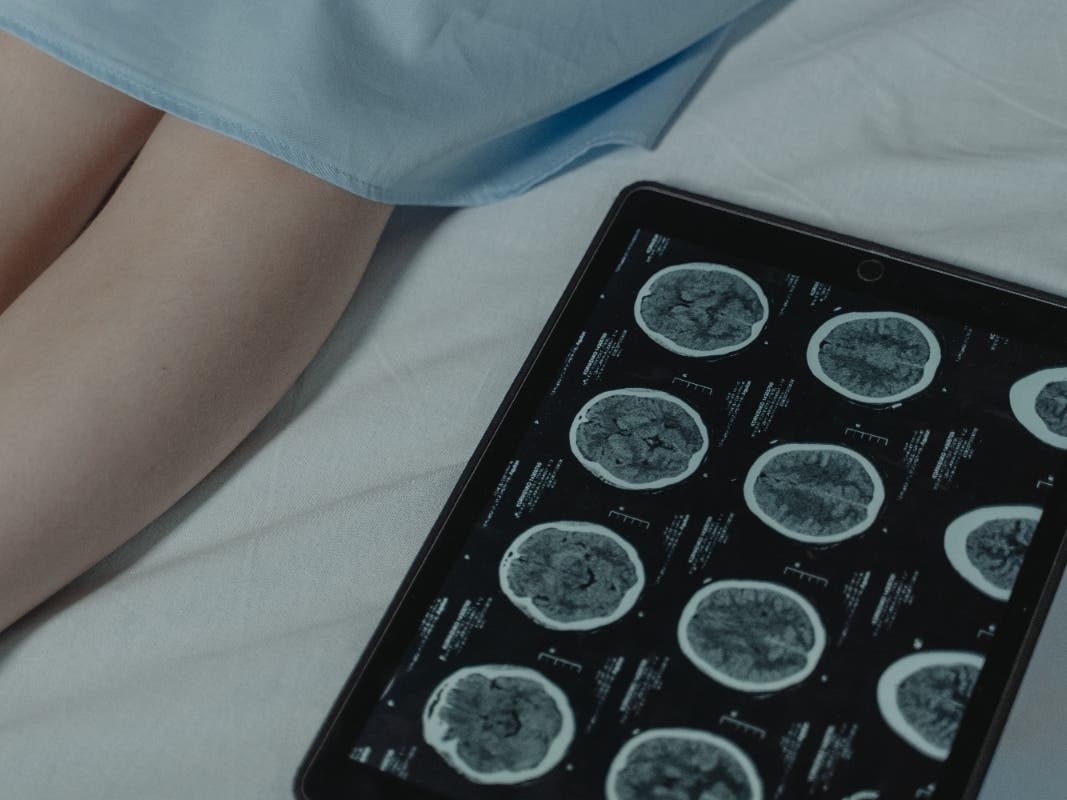
What Is Glioblastoma?
Glioblastoma, or glioblastoma multiforme, is an aggressive brain tumor originating in the brain's supportive tissue, called glial cells. It is the most common lethal primary brain tumor in adults, with roughly 15,000 new cases diagnosed every year.
Glioblastoma tumors are fast-growing and can invade and destroy nearby brain tissue, making them difficult to treat. Symptoms of glioblastoma may include headaches, seizures, nausea, vomiting, and changes in personality or behavior.
Find out what's happening in Denverfor free with the latest updates from Patch.
Treatment for glioblastoma typically involves a combination of surgery, radiation therapy, and chemotherapy. However, even with aggressive treatment, glioblastoma has a poor prognosis, with most patients surviving only 15 months after diagnosis. That number drops to 3-6 months without treatment.
The Glioblastoma Foundation is a non-profit organization whose primary purpose is to transform the standard of care for glioblastoma by supporting the development of drug therapies for the disease. The foundation recognizes that each glioblastoma tumor is different and focuses on supporting the development of targeted therapies for each patient.
Find out what's happening in Denverfor free with the latest updates from Patch.
How Does Glioblastoma Affect Patients and Families?
Glioblastoma is an aggressive and often fatal type of brain cancer that can drastically alter the lives of patients and their families. The disease can cause physical and cognitive impairments and emotional distress, making it challenging for patients and their loved ones to cope.
The diagnosis of glioblastoma can be devastating for the patient and their loved ones. Family members and caregivers often feel overwhelmed and anxious about the uncertain future and their loved one's quality of life. The stress and emotional toll of caring for a loved one with glioblastoma can be immense, and family members may struggle to find support and resources to help them cope.
Treating glioblastoma is also expensive, and many families struggle to cover the costs associated with the disease. Medical bills, medications, and related expenses can quickly add up, leading to financial stress and hardship for families. In addition, family members may need to take time off work to care for their loved ones, which can further strain their finances.
Where Can Patients and Caregivers Find Support?
Patients and caregivers dealing with glioblastoma can find support from various sources, including healthcare providers, social workers, and patient advocacy organizations. The Glioblastoma Foundation offers a range of resources and support for patients and caregivers.
The Glioblastoma Foundation is proud to announce new sessions of its virtual support group called the Glioblastoma Support Circle for patients and caregivers. The support group is led by a team of talented support facilitators, including clinical psychologists, trained to provide emotional and psychological support to patients and caregivers dealing with the challenges of glioblastoma. The support group covers many topics, including managing symptoms, emotional support, providing information and education, future planning, and social support.
The Glioblastoma Foundation currently offers two support groups for patients and caregivers that meet every other Monday. The Glioblastoma Patient Support Group starts on April 3, 2023, while The Glioblastoma Caregiver Support Group starts on April 10, 2023. All sessions begin at 7 pm EST.
The Glioblastoma Support Circle is an excellent resource for patients and caregivers looking for emotional and psychological support while navigating the challenges of glioblastoma. Patients and caregivers can visit the Glioblastoma Foundation's website or contact them directly for more information about the support group and other resources.
How Can You Help in the Fight Against Glioblastoma?
People can help fight against glioblastoma by volunteering with the Glioblastoma Foundation and donating to fund research efforts. The foundation offers various levels of donor tiers, with donations going towards developing targeted therapies for glioblastoma. Volunteers can serve as patient advocates, help with administrative tasks, or participate in fundraising events to support the foundation's efforts.
Donations can be made at various levels of giving, from individual gifts to corporate sponsorships. These donations support the foundation's research initiatives and patient advocacy programs to improve the standard of care for glioblastoma patients.
By participating in these initiatives, you can help fund research for new treatments and support the foundation's mission to improve the lives of those affected by glioblastoma.