Arts & Entertainment
Haunted Ghost Cemetery Under Botanic Gardens Spooks Visitors
Denver Ghosts in the Garden tour participants say they've heard, smelled and seen unworldly phenomena, and cell phones have acted strange.


DENVER, CO -- Denver's ghost cemetery, the 360-acre Mount Prospect (or "Boot Hill"), is forgotten in the mists of history, plowed under in the 1890s to create the beautiful Cheesman Park and, later, the Denver Botanic Gardens. But guests on the October "Ghosts in the Gardens" tours say they have experienced eerie phenomena -- and their cell phones have acted strange -- when they pass over the acreage where 2,000 unmarked graves remain.
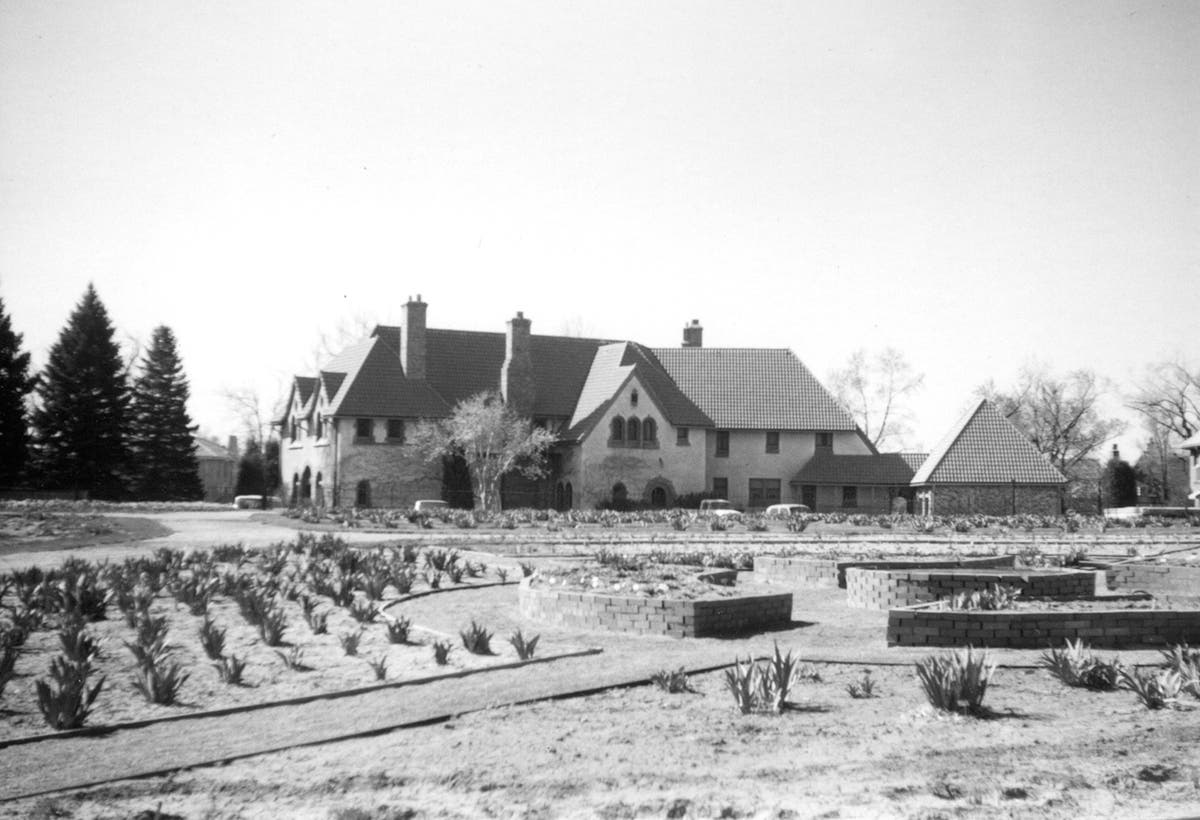
“We’ve been doing the tours for years," said Matt Cole, the Garden’s director of education. "At first it was staff who told their own stories of strange things they experienced. But now we get so many visitors who have their own tales,” he said. The end of October evening tour walks through the gardens and visits the 1927 Waring House mansion, which was built on former cemetery ground.
“I smelled a cigar,” wrote one visitor in a log book of ghostly events. “Outside the carriage house I saw a mist swirling up from the raised garden bed, like a young child turning in a dance."
Find out what's happening in Denverfor free with the latest updates from Patch.
It makes sense that souls of those buried in Mt. Prospect might be disturbed, Cole said, when you consider the cemetery's history involves plenty of murder and disease, disturbance of graves and one first-class scoundrel of an undertaker.
"My pant legs were being pulled repeatedly while in the Waring House dining room," a tour participant wrote.
Find out what's happening in Denverfor free with the latest updates from Patch.
Mt. Prospect started as a speculation in 1858 by Denver Founder William Larimer Jr. himself, who decided the hillside property, north of the river and technically on Arapaho Tribal land, would become a stylish resting-place for Denver's wealthy deceased.
But over the years, the graveyard became a neglected dumping ground for the city's criminals, vagrants and victims of epidemics. It earned the nicknames "Boot Hill" and "Jack O'Neal's Ranch" -- after a local gambler buried within its friendly confines.
In the 1880s, land-hungry developers demanded the land be turned into a park. The city spectacularly botched a public works project which resulted in thousands of graves being disturbed, and the site became something out of a horror movie.
"I heard what sounded like a sigh from a woman, and other noises," a tour member wrote.
In 1893, the city of Denver contracted with unscrupulous undertaker Edward McGovern to pay $1.90 “per box of remains” unearthed and transported to Riverside Cemetery. But McGovern soon figured out how to make more money by hacking up bodies and filling two or three smaller, child-size coffins.
The scandal was reported by the Denver Republican:
The line of desecrated graves at the southern boundary of the cemetery sickened and horrified everybody by the appearance they presented. Around their edges were piled broken coffins, rent and tattered shrouds and fragments of clothing that had been torn from the dead bodies...All were trampled into the ground by the footsteps of the gravediggers like rejected junk.
Cole said the Chinese immigrant sections of Mt. Prospect "kept better records" and family members were able to send their loved ones's bodies back to China. The Hebrew Burial Society's section was also well maintained, and the transfer of remains was orderly, Cole said. But no one came to collect the "paupers and criminals buried on the far edges of the graveyard," and many of the dead remained unclaimed.
"[My phone] began taking numerous pictures without me opening the app, waking my phone up, or pressing the shoot button," wrote a tour participant. "I would briefly see a white orb in the corner of the frame before the picture shot, but after reviewing the pictures, they were all completely black. Eighteen photos I didn't take, total. "
“Some of the open graves were just left as holes, because who’s going to fill it back in after you’ve got your loved one’s remains?” Cole said. “There are reports of children playing in the holes, or building tree houses [with the coffin wood] and finding metal coffin hinges."
"In the Waring House kitchen, I felt a hand touch my right forearm, a light touch and friendly. No one was visible," a tour member wrote.
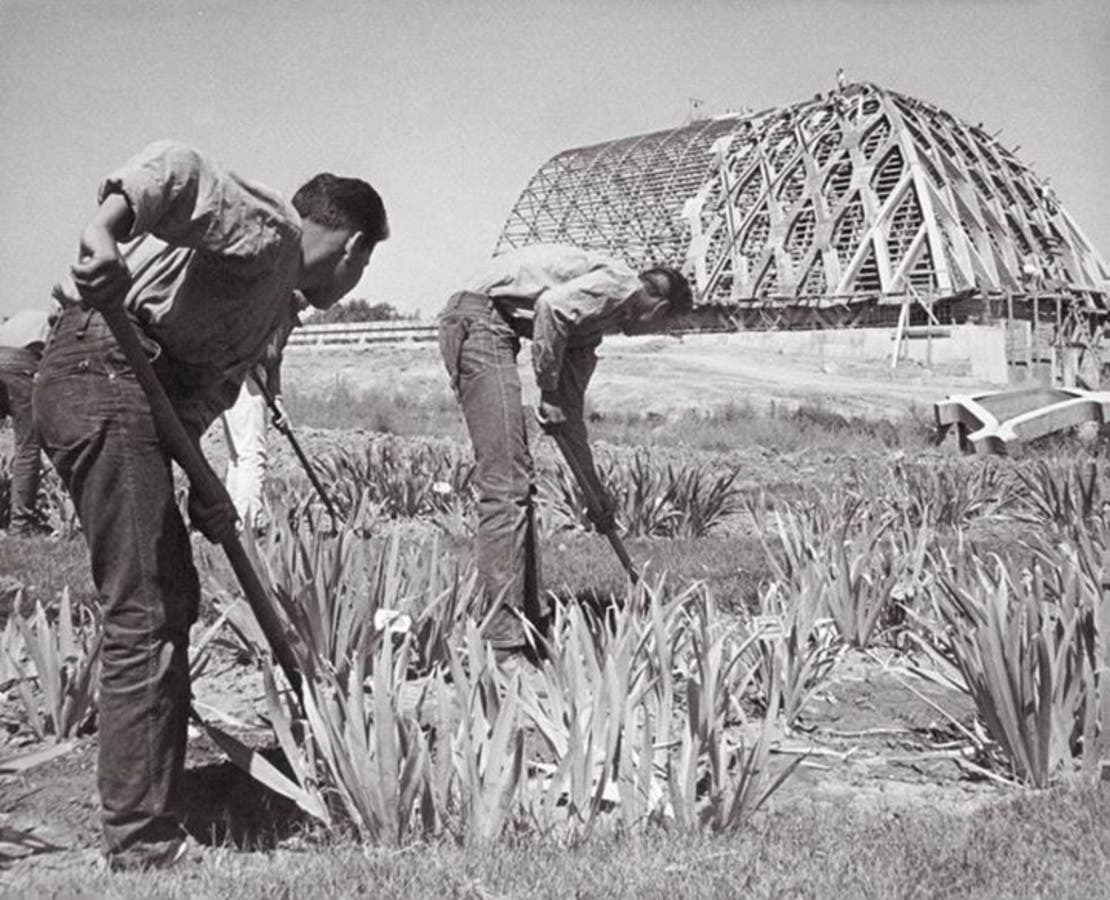
Finally, the city just plowed under the remaining cemetery land and planted trees in some of the open grave holes, Cole said. Cheesman Park was named after pioneer water baron Walter S. Cheesman, whose widow donated the park's pillared pavilion. Part of the cemetery grounds was given to the Denver Botanic Gardens in the 1950s.
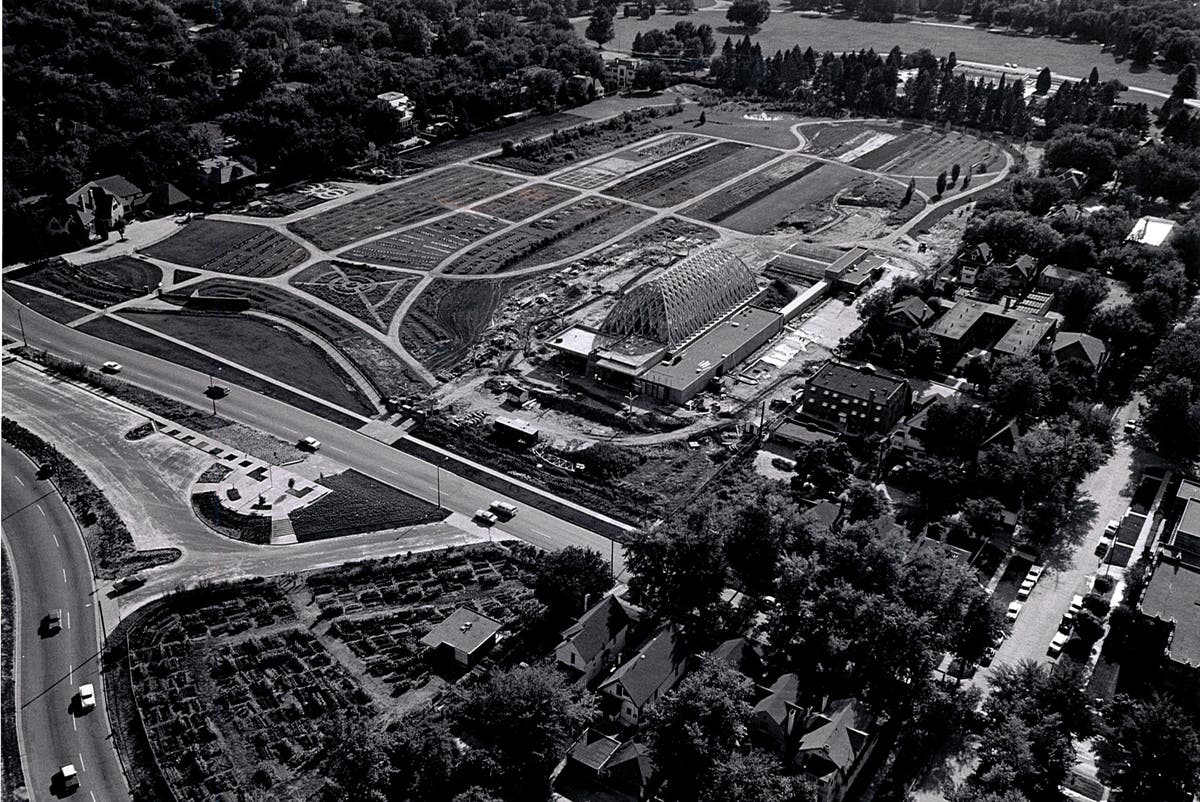
The Botanic Gardens is in the business of digging, and they've found some artifacts over the years, possibly from the cemetery, Cole noted. When they built the parking garage in 2008, Cole said they discovered pioneer-era grave sites and had to stop construction until the Denver Co. Coroner's office could remove and re-inter the remains. Human skeletons were discovered in 2010 in Cheesman Park as well.
"I smelled lilacs...[but] they bloom in early summer. Then I felt someone flick my ear," a tour participant wrote.
"Even the staff say they've seen strange images in the mirrors, out of the corners of their eyes, or heard chimes," Cole said. Staff members scrammed from the Waring House kitchen a few years ago, when the house's original, non-functional intercom started to buzz. "It's just part of the history of the Gardens," Cole said.
The Denver Botanic Gardens Ghosts in the Garden Tours are held at 6 and 8:30 p.m. on Oct. 19-21, and 26-28.
Image: Workers dig in the grounds of the Denver Botanic Gardens after its opening in the late 1950s. Courtesy: Denver Botanic Gardens
Get more local news delivered straight to your inbox. Sign up for free Patch newsletters and alerts.