Neighbor News
Patrick Jellum on "Using Person-First Language For Inclusion"
In this article, Patrick Jellum looks at why it is important to use person-first language to promote more inclusion within the classroom

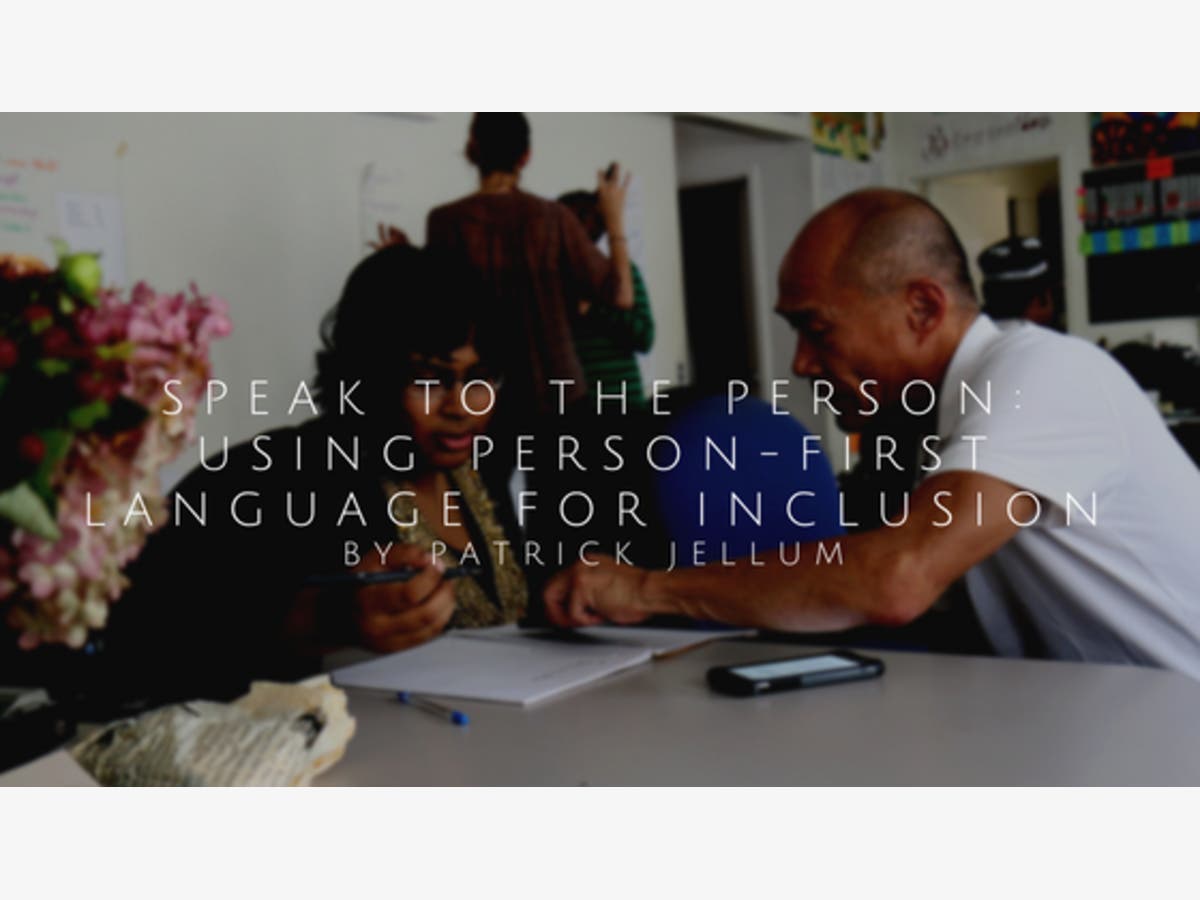

Educators persistently strive for equality, and one approach is to change the way how one to speaks to others. Person-first language is a form of language etiquette that intentionally communicates a trait or condition as a person rather than their core identity. For example, a person is not “handicapped,” but rather, a person with a handicap. This intention is to respect and honor students with various abilities and characteristics.
To properly understand and use person-first language, the meaning and purpose should be sought. Empathy is the core of communication for person-first. This language acknowledges the inherent value of every individual equally before attaching other secondary descriptors of the person. Wouldn’t it be more heartwarming to be known by the innermost core identity rather than that “blonde-haired person over there,” as if that was the only valid point of focus in conversation? It can be rather awkward and limiting.
An example that could happen in the classroom is a person with a Down’s syndrome. Rather than saying that “Down’s syndrome girl Nancy”, it is more tactful to say “Nancy has been diagnosed with Down’s Syndrome.” The importance of rearranging words in this way demonstrates that Nancy is a unique individual that has qualities that are not linked to her genetic diagnosis. Her diagnosis is not usually a primary focus. Therefore, Nancy or her family/guardian, if she is a young child, should determine its relevance.
Find out what's happening in Denverfor free with the latest updates from Patch.
There should be more consideration to how individuals would like to refer to themselves. For instance, consider people with autism. There are numerous stances on terminology that encompasses autism. There are some that take no offense of being called autistic as they see this as central to their identity. Yet, others may disapprove of the suggestion since they only see this as ancillary to their identity.
Although it may seem challenging to integrate person-first language at first, but it is important to note that misunderstanding and mistakes can be expected as part of the growth process. Whenever in doubt, one can simply ask. This is just the first step to include person-first language, but in reality, it takes continual effort and ongoing open dialogue for sustained success. This will help create a bridge of unity, inclusion and acceptance. To learn more, read original article here.
Find out what's happening in Denverfor free with the latest updates from Patch.
Patrick Jellum originally published this article on his website.
About The Author: Patrick Jellum has been working as an educator for more than thirty years. After graduating from the University of Nebraska, Lincoln with a degree in special education, he devoted his life to helping students receive a thorough education as well as pursue his passion for sports of all kinds.