Community Corner
Squirrel With The Plague Found In Jefferson County
The squirrel is the first case of the plague in the county, officials said.


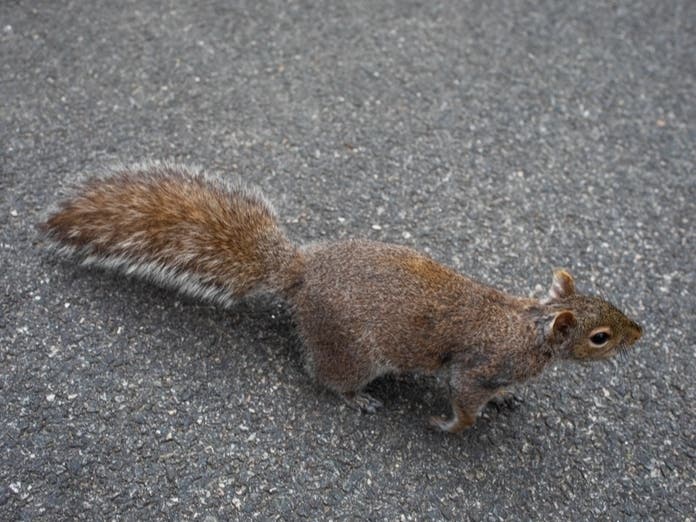
JEFFERSON COUNTY, CO — A squirrel that was found in Morrison has tested positive for the plague, public health officials confirmed Sunday. The animal is the first case of plague found in Jefferson County.
The plague is an infectious disease caused by the bacteria Yersinia pestis, which can be contracted by humans and pets if proper precautions are not taken, health officials said.
Humans can be infected through bites from infected fleas, a cough from an infected animal or by direct contact (e.g., through a bite) with blood or tissues of infected animals. Cats are highly susceptible to the plague and may die if not treated promptly with antibiotics, health officials warned. Cats can contract the plague from flea bites, a rodent scratch/bite or ingestion of a rodent. Dogs are not as susceptible to plague; however, they can pick up and carry plague-infected rodent fleas.
Find out what's happening in Lakewoodfor free with the latest updates from Patch.
Don’t miss the latest news updates in Colorado. Sign up for free Patch news alerts and newsletters for what you need to know daily.
Pet owners who suspect their pets are ill should consult a veterinarian, health officials said. All pet owners who live close to wild animal populations, such as prairie dog colonies or other known wildlife habitats, should consult their veterinarian about flea control for their pets to help prevent the transfer of fleas to humans.
Find out what's happening in Lakewoodfor free with the latest updates from Patch.
Symptoms of plague may include sudden onset of high fever, chills, headache, nausea and extreme pain and swelling of lymph nodes, occurring within two to seven days after exposure.
Jefferson County Public Health recommends the following precautions to protect yourself and your pets from plague:
- Eliminate all sources of food, shelter and access for wild animals around the home.
- Do not feed wild animals.
- Maintain a litter and trash-free yard to reduce wild animal habitats.
- People and pets should avoid contact with sick or dead wild animals and rodents.
- Use precaution when handling sick pets. Have sick pets examined by a veterinarian.
- Consult your veterinarian about flea and tick control for your pets.
- Keep pets from roaming freely outside the home where they may prey on wild animals and bring the disease home with them.
In 2019, events were canceled after a plague hit prairie dog colonies at Rocky Mountain Arsenal National Wildlife Refuge. Testing has confirmed that prairie dogs in the region have the sylvatic plague, which is known as the bubonic, pneumonic or septicemic plague when the disease infects people.
Get more local news delivered straight to your inbox. Sign up for free Patch newsletters and alerts.