Health & Fitness
Littleton Teens Survive And Thrive Without Social Media
'Offline October' a hit for teens to honor two local students who committed suicide this year.


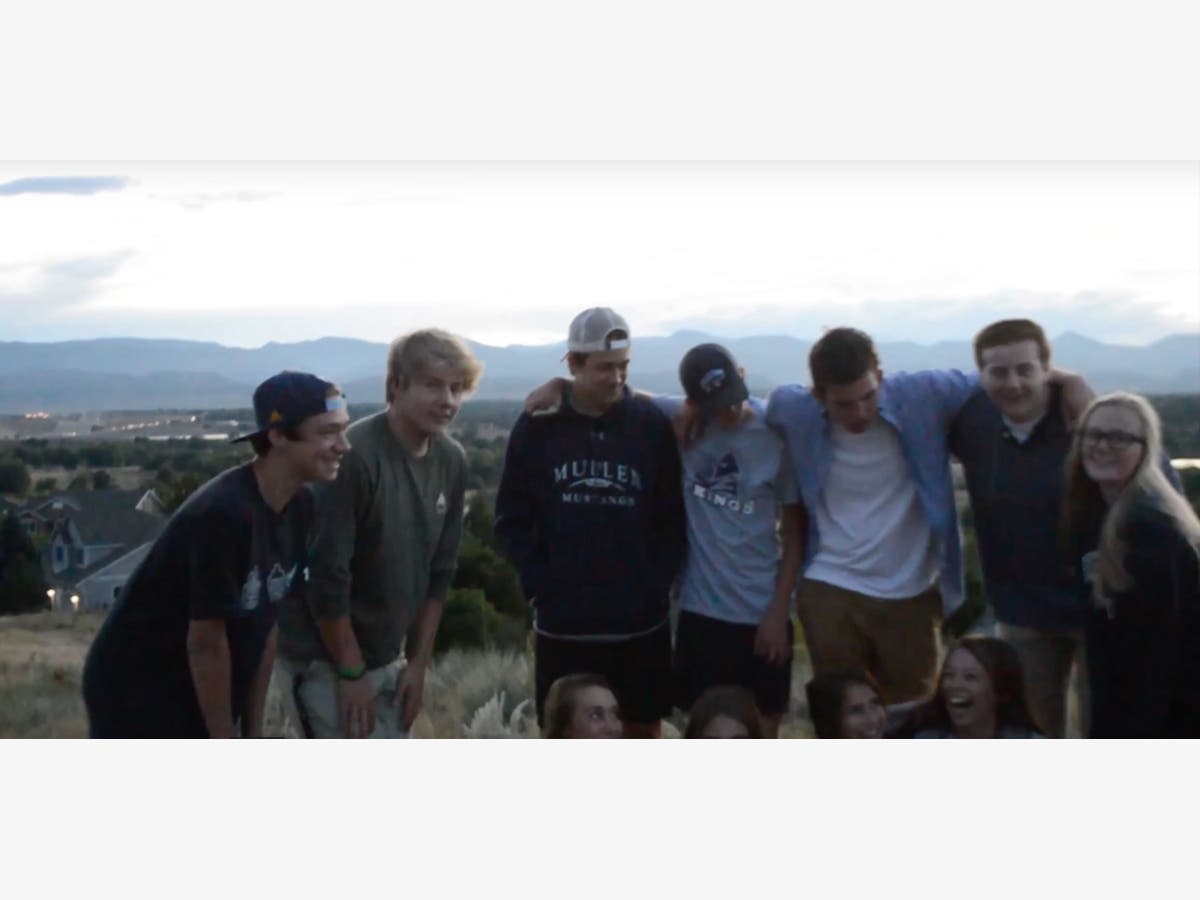
LITTLETON, CO (AP) — Littleton students touched by recent teen suicides met this month to eat pancakes, play volleyball and soccer and delete every social media app from their smartphones.
En masse on Oct. 1, about 150 students kicked off a month-long social media blackout by erasing Snapchat, Instagram, Facebook, Twitter and the rest from their screens. Since then, the "Offline October" challenge has grown to include 1,600 people at 200 schools in seven countries.
"We're not saying social media causes suicide, because it doesn't," said Joe Roberts, junior class president at Heritage High School. "But it's definitely a factor. People can become jealous and depressed. People are posting these perfect pictures and perfect tweets.
Find out what's happening in Littletonfor free with the latest updates from Patch.
"We're saying you can just be real with people. Talk face to face. If you are depressed, just be open about it. You don't have to pretend your life is OK."
Offline October has encouraged local teens and tweens to stay off social media:
Find out what's happening in Littletonfor free with the latest updates from Patch.
Recently, the Littleton community has experienced a number of teen suicides. We believe that social media has a negative impact on today’s youth and has contributed to many recent suicides. The challenge is meant for people to realize the importance of human relationships and the happiness that can come from direct human interaction.
Social media has become a dictating force in people’s lives. We hope that from this challenge people will maintain and manage stronger friendships, develop face to face communication skills, and become happier in their overall well-being.
The mother of a close friend of one of the teen suicide victims posted a heart-rending narrative of the pain her teen son has endured after his friend's death.
"The weeks passed into months and I watched him lose his joy. There were moments of smiles or laughter but his heart was broken," wrote mother Ila R. "He found it difficult to concentrate in school. He would turn down invitations from friends in favor of his room, his laptop, and Netflix. He was angry at God and felt no comfort or peace in attending church service with us. He wasn’t eating or sleeping well... I felt like I was watching him slip away from the amazing person he had grown into.
"I simply did not know how to help him," she continued. "So I did what I knew best, I continued to love him. I loved him through a perpetually messy room. I loved him through forgotten homework assignments. I loved him through neglected household chores. I loved him through a disappointing basketball tryout. I loved him through a traffic ticket. ... Then, between my smothering love and the prayers, I saw it happen. His resiliency began to break through. He started engaging with us and others again. He was smiling more. Signs of his former self were emerging. He was willing to meet with a counselor, one who specializes in helping teens. He still doesn’t talk about what happened freely, but if questioned he shares a bit of his heart."
Teens who made the blackout pledge say giving up social media is like trying to break an addiction. "I've fallen a couple of times, but I'm trying to get back on it," said one who contacted the Offline October organizers for advice. A survey of 400 teens participating in the blackout found that 50 percent had previously been spending two to three hours daily on social media and 50 percent said they had been depressed.
The core group of organizers, from Heritage and Mullen high schools and Goddard Middle School, refer people tempted to return to social media to a bucket list they created on their website. Cook dinner for your family. Write a letter to a friend. Play capture the flag.
After two suicides in two days at the start of the school year — an Arapahoe High School student and a Powell Middle School student — a group of about 25 Littleton teens gathered and said "enough is enough," Roberts said. Many of them were friends of a Heritage student who killed himself last year.
They built a website with the catchphrase "Don't post a story, live one," and they spread the word about the blackout in September through texts and, of course, social media. They plan to make it an annual event, a break from worrying about keeping up Snapchat streaks (an unbroken daily conversation through messages and photos) and seeing who is hanging out together through the "snap map."
Roberts, who runs a lawn service and counts tree-hammocking among his hobbies, is thinking about giving up Snapchat for good.
"I've realized I don't need it in my life," he said.
Roberts and founders Cason Kurowski and Chloe Schilling expect nearly everyone to return to social media come Nov. 1, but they are hoping they cut back and talk more "without hiding behind a screen."
Multiple studies have found a correlation between social media and depression. While reducing social media usage is recommended, abruptly cutting off all usage is sometimes dangerous for teens who are depressed and would feel isolated, said Dr. Jenna Glover, director of psychology training for Children's Hospital Colorado.
She recommends teens have only one social media account and do not sleep with phones in their bedrooms. Glover also advises that the entire family — parents included — adhere to daily screen-free time, such as in the evening and during dinner.
Jean Lotus, Patch Staff contributed to this article.
Image via YouTube
Get more local news delivered straight to your inbox. Sign up for free Patch newsletters and alerts.