Neighbor News
CT 2015 Non-Native Invasive tree insects
Gardening,tree company, tree removal,horticultural services, landscaping,tree company avon,farmington valley tree removal companies,aborist

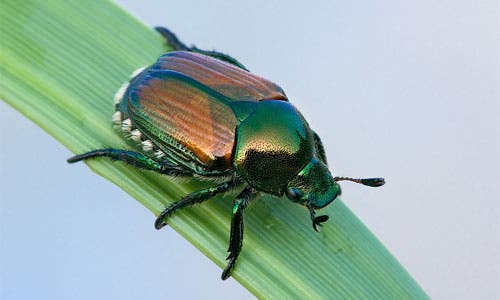


Non-Native Invasive insects have long been of concern to those who care about, and for, Connecticut’s trees. Here is a short list of these non-native invaders of the most serious biological threats to our trees and forests. This list would include the gypsy moth, chestnut blight, Dutch elm disease, elongate hemlock scale and the hemlock woolly adelgid. The gypsy moth caterpillar is not a fussy eater. It has a preference for the leaves of deciduous hardwood trees such as maple, elm, and particularly oak. Gypsy moths can also feed on apple, alder, birch, poplar and willow trees. As it grows it will also attack evergreens like pines and spruces. Gypsy moths appear to dislike ashes, sycamores, butternuts, black walnuts, dogwoods and balsams. However, during heavy infestations, competition for food will drive the caterpillar to attack almost any tree or shrub. Depending on the degree of infestation, tree damage ranges from light to almost complete defoliation. Most deciduous trees can survive a moderate degree of defoliation. Many can even survive one complete defoliation by the gypsy moth caterpillar. However, continuing attacks can fatally weaken a tree or leave it vulnerable to other insects or disease. Chestnut blight, or chestnut bark disease, is caused by an introduced fungus, Cryphonectria parasitica (Murrill) Barr, (formerly Endothia parasitica [Murrill] Anderson & Anderson). The fungus enters wounds, grows in and under the bark and, eventually kills the cambium all the way around the twig, branch, or trunk. Sprouts develop from a burl-like tissue at the base of the tree called the ‘root collar,’ which contains dormant embryos. Sprouts grow, become wounded and infected, and die, and the process starts all over again. Connecticut’s Dutch Elm Disease, An Asian fungus, Ophiostoma ulmi, was accidentally imported into the US in the 1930’s. American and English elms (Ulmus americana and U. procera) are quite susceptible to the vascular disease caused by this fungus, but tree breeding in Holland has produced cultivars of the European elm, Ulmus carpinifolia, with some resistance. The extensive research efforts in Holland led to our common name for this disease; Dutch Elm Disease (DED). The fungus is carried from tree to tree by elm bark beetles that feed by cutting grooves in the bark at twig crotches, and drinking the sap. The fungus is rubbed off the feet and bodies of the beetles into these wounds, and infection begins. By spraying elm trees with insecticide (contact a licensed arborist) at the beginning of May, beetle feeding can be reduced. Obviously, good coverage of the twigs is needed. The elongate hemlock scale, Fiorinia externa Ferris, native to Japan, is a pest of eastern hemlock, Tsuga canadensis, and Carolina hemlock, T. caroliniana, in the Eastern United States. It has been found in the District of Columbia and in nine states from Virginia to southern New England and west to Ohio. F. externa attacks the lower surface of the hemlock needle, where it removes fluids from the mesophyll cells through piercing and sucking mouthparts. Elongate hemlock scale sometimes occurs with two other exotic pests — a circular hemlock scale, Nuculaspis tsugae (Marlatt), and the hemlock woolly adelgid, Adelges tsugae Annand. Mixed infestations of scales and adelgids can greatly hasten hemlock decline. The presence of HWA can be identified by its egg sacs, which resemble small tufts of cotton clinging to the underside of hemlock branches. Hemlocks stricken by HWA frequently become grayish-green rather than the dark green of healthy hemlocks. In North America, the hemlock woolly adelgid asexually reproduces and can have two generations per year. In its native Asian habitat is a third winged generation called Sexupera; this generation’s reproduction requires a species of spruce that is not found in the Eastern United States and therefore dies there. Between 100 and 300 eggs are laid in the woolly egg sacs beneath the branches. Larvae emerge in spring and can spread on their own or with the assistance of wind, birds and/or mammals. In the nymph stage, the adelgid is immobile and settles on a single tree. The hemlock woolly adelgid feeds on the phloem sap of tender hemlock shoots. It may also inject a toxin while feeding. The resulting desiccation causes the tree to lose needles and not produce new growth. In the northern portion of the hemlock’s range, death typically occurs four to ten years after infestation. Trees that survive the direct effects of the infection are usually weakened and may die from secondary causes. Unfortunately, this list continues to grow, at what appears to be an increasing rate. Insects that have the potential to impact Connecticut’s trees moving forward this summer include the Asian longhorned beetle and Popillia japonica which is commonly known as the Japanese beetle. Arborists, tree wardens and other tree care companies who are in the front line in tree care have shown that they can play an invaluable role in helping to prevent or contain infestations by being aware of these exotic problems, and by reporting possible findings of their occurrence as soon as they are noticed. Trees that go untreated and dead host trees not removed from your property are often hosts to healthy trees on your property. Unfortunately, removal of infected trees when infestation is beyond the point of conventional remediation is often the most cost effective way to restore your property’s aesthetics. By removing the dead infected trees allows more sunlight to hit the forests floor creating a whole new life cycle of biodiversity and healthy young seedlings to thrive. To learn more about your properties tree health, remediation & removal options please feel free to contact me 7 days a week 7am - 7pm, if I am unavailable to take your call feel free to leave me a voice message, text message or email and I will respond as quickly as possible. I or one of my professional knowledgeable associates can walk your property with you and go over all tree concerns and offer solutions catered around your individual needs. Jared Paul Rozborski Connecticut Valley Home Services LLC Cell:860-997-0108 Email: jaredroz@gmail.com