Community Corner
4th Of July Fireworks Laws: What’s Legal In Connecticut
See how Connecticut compares to other states on what types of fireworks are allowed ahead of the 4th of July.


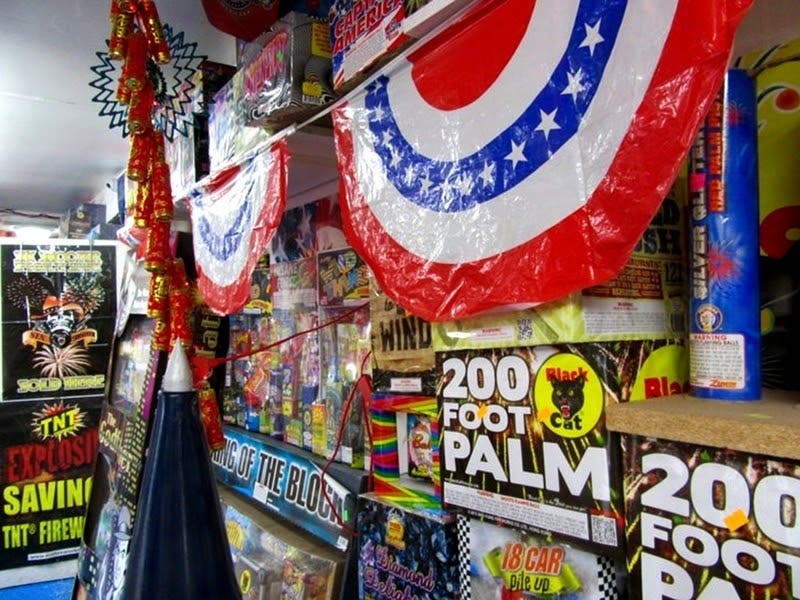
CONNECTICUT — As plans for 4th of July celebrations ramp up in Connecticut, those looking to shoot off fireworks can brush up on the laws regarding the popular holiday activity.
Connecticut specifically allows hand-held and ground based sparkling devices that are non-explosive and non-aerial, and do not contain more than 100 grams of pyrotechnic composition per item. All other consumer fireworks, including multi-tube sparkling devices, that exceed 100 grams of total pyrotechnic composition are forbidden. Novelty items are also illegal. Residents must be 16-years-old or older to purchase fireworks in the state.
See Also: 4th Of July Fireworks 2021 In CT: Here's When, Where
Find out what's happening in Bethelfor free with the latest updates from Patch.
Neighboring Massachusetts is the only state where fireworks are completely banned aside from professional displays, according to a May report from Reader’s Digest. Illinois, Ohio and Vermont have the next-strictest laws in 2021, the report said.
Indiana — which lies between Illinois and Ohio — has among the most lenient fireworks laws.
Find out what's happening in Bethelfor free with the latest updates from Patch.
Kris Zambo, owner of Dynamite Fireworks in Hammond, Indiana, told Patch in 2018 that a law passed in the mid-2000s essentially made fireworks "wide open" in the Hoosier State. His store’s proximity to the Illinois border allowed the family to turn a side business selling fireworks into a permanent store, drawing droves of cars from Illinois.
See Also: How To Keep People, Pets Safe During 4th of July Fireworks
"About 80 percent of our customers come from Illinois," Zambo said.
Dynamite Fireworks is one of many northwest Indiana fireworks stores that beckon Illinois consumers to cross the border with gaudy billboards promising the biggest bang for the buck. The region has gained a reputation as the unofficial fireworks capital of America, with more than 100 consumer-grade fireworks retailers.
Related On Patch: Fireworks On The Down-Low: Indiana Retailers Do Booming Business
States with stricter fireworks laws have cited data from the U.S. Consumer Product Safety Commission that shows thousands of people are injured in fireworks-related injuries every year, with multiple deaths reported as well. In 2019, about 10,000 fireworks injuries were treated in hospital emergency rooms. Fireworks-related deaths totaled 12 in that year, according to the commission.
The commission has stated fuses on fireworks need to burn somewhere between three seconds and nine seconds to be safe and legal. Legal fireworks can also have no more than 50 milligrams of pyrotechnic composition to be legal, the commission said.
Fireworks celebrations in America date back to 1777, when the first 4th of July celebration occurred. Oddly enough, there were no red, white and blue fireworks to mark the one-year anniversary of the Declaration of Independence. Fireworks came in only one color — orange — back then, according to the Smithsonian Institution.
Get more local news delivered straight to your inbox. Sign up for free Patch newsletters and alerts.