Community Corner
Connecticut's Beardsley Zoo Designated As Part Of The Pollinator Pathway
The zoo will be connected to other habits in a network of native plants to support pollinator.
April 21, 2021
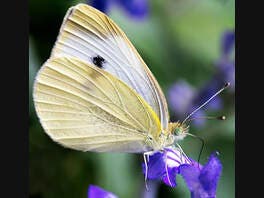
BRIDGEPORT, Conn. – In an important collaboration with The Pollinator Pathway program, Connecticut’s Beardsley Zoo has joined the chain of properties with gardens that support butterflies, bees, hummingbirds and other pollinators. With multiple gardens throughout the Zoo grounds emphasizing the important connection between animals, people and plants, the Zoo was already recognized as a Monarch Waystation and as a Certified Wildlife Habitat through the National Wildlife Federation.
Find out what's happening in Bridgeportfor free with the latest updates from Patch.
“The Pollinator Pathway designation is one more way to signal the Zoo’s role as a community leader in supporting wildlife and wild places,” said Horticultural and Greenhouse Manager Jonathan Dancho. “Our emphasis is on planting food sources for pollinators, using plants native to Connecticut, and not relying on chemicals to maintain the beauty of the Zoo grounds.”
One important plant that the Zoo has included in its gardens is milkweed (Asclepias), both a food source and a host plant for Monarch eggs laid on the underside of the leaves. Although the Zoo is lushly planted with pollinator-friendly species throughout the grounds, special gardens in addition to the Butterfly Gardens include the Sensory Garden, where volunteers maintain plants with fragrance and interesting textures, the Browse Garden, where foodstuff and plants used for enrichment are raised for the animals, the Rose Arbors, and the rare and beautiful plants found in the Victorian Greenhouse. There are also rain gardens that collect water runoff in porous earth, preventing it from reaching nearby waterways, and ponds placed to provide habitat for amphibians.
Find out what's happening in Bridgeportfor free with the latest updates from Patch.
“We want to educate guests so they know that what they do in their own gardens at home is making a positive impact for beneficial insects and birds,” said Dancho.
He recommends that at least two thirds of the garden should be native plants, using either trees, shrubs or flowering plants as a food source. Just as important is to provide clean water, and foregoing pesticides. Connecticut’s Beardsley Zoo joins dozens of towns and properties throughout the state listed as Connecticut Pathways. More information can be found at pollinator-pathway.org
About Connecticut’s Beardsley Zoo’s Pollinator Gardens
The Zoo has seven butterfly/pollinator gardens, and several other planting areas that use native plants to attract butterflies. Native plantings are also used in and around animal habitats to provide colorful flowers for guests and nectar sources for pollinators. Plants that help pollinators in more than one way are extremely helpful, such as Asclepias tuberosa (Butterfly Weed). Butterfly Weed is a native plant used throughout the life cycle of monarchs, from chrysalis through adulthood. It is also a nectar source for a wide range of other butterflies and beneficial pollinators.
This press release was produced by the Connecticut’s Beardsley Zoo. The views expressed are the author's own.