Health & Fitness
6 Tips to Boost Workout Recovery and Prevent Overtraining
If you exercise, you need to take into account the amount of recovery that you're seeing between sessions. Without it, you're progress will come to a screeching halt!

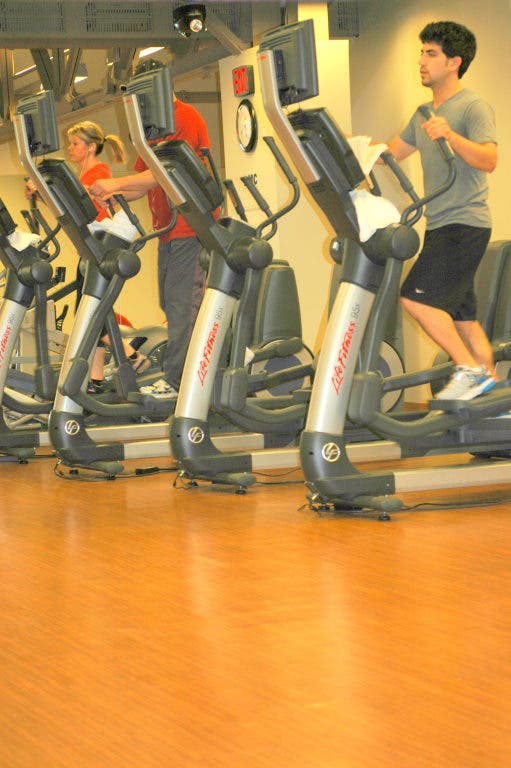
If you're someone who reads my blog regularly, hopefully you have been implementing my advice and you are "getting your fitness on." As you get into thr groove of working out regularly, one thing that you’ll want to watch out for is what's called "overtraining syndrome."
Overtraining syndrome is a very serious and real thing and something that can start to impact those who try and push just a little too hard – over and beyond what their body is capable of.
However...there is a difference between central nervous system (CNS) overtraining and muscular overtraining. While both will present themselves with similar symptoms, they do come about due to different reasons.
Find out what's happening in Brookfieldfor free with the latest updates from Patch.
Muscular overtraining occurs when you’re working any ONE given muscle more frequently than what it’s able to handle and aren’t providing sufficient rest time between the workout sessions that you are performing.
CNS fatigue, on the other hand comes from performing general weight lifting activity too frequently, which then tires out the nervous system. Since any time you lift a weight the nervous system is taxed, doing too much overall will result in CNS overtraining.
Find out what's happening in Brookfieldfor free with the latest updates from Patch.
Let’s take a look at a few of the top overtraining prevention tips and recovery strategies that you should know in order to prevent CNS overtraining so you can be sure that this doesn’t become a factor in your life.
Take Complete Days Off
If you’re going to the gym each and every day, it’s not really going to matter what type of workout you’re doing, this is still going to be a little too much for your body. Make sure to sprinkle in at least a day or two off.
Keep Your Everyday Stress Low
Easier said than done for some...I know. But it will serve you well to make sure that your everyday stress levels are kept to a minimum. All forms of stress are going to impact your CNS. If you’re highly stressed out in other areas of your life such as with financial issues, relationship problems, or otherwise, this will add up and reduce the amount of training load that you’re able to tolerate.
Focus On Quality Sleep
If you want to make sure that you are preventing CNS drain, focus on high quality sleep. If you aren’t sleeping enough throughout the week, its going to influence your level of recovery and take away from the total results that you see.
Hot Baths
Taking a nice hot bath is great for recovery. Why? Not only are they going to relax the body, but they’re going to help increase the blood circulation throughout. This can help to bring more nutrients and oxygen to the muscle tissues, improving the repair process.
Stretching
Stretching is another great technique for reducing post-workout soreness and can also put you into a calmer state.
Stretching should be performed daily for best results as it’s something that you have to work at with a high frequency level for it to be effective. Make sure that you hold each stretch that you perform for at least 30 seconds for best results.
An added benefit is that increased flexibility will help you perform better in your workouts.
Foam Rolling
Foam rolling is starting to get more and more popular. This is where you will place the sore and tense muscle over top of a cylindrical piece of foam and then gently roll back and forth over it.
As you do this you should feel some deep pressure building up and then the muscle easing and relaxing as you go.
Note that this may be slightly painful at first, but as you work into it, you’ll feel any knots in the muscle relaxing and eventually start to feel much better overall. You may want to consult with your trainer or coach if you want to incorporate some stretching and/or foam rolling into your schedule.
If you want to see optimal results from your workout, it’s going to be imperative that you’re seeing a good rate of recovery between each and every session that you do. If you don’t and go back into the gym before you have fully recovered, you’re just going to end up breaking your tissues down further and moving away from your goals rather than closer towards them.
Above I have given you a few great techniques that will help you get back into the gym with enhanced recovery after each workout that you complete. Make sure you try one or two of them for yourself.