Neighbor News
After The Storm: A Warning on Avoiding Dangerous & Costly Repairs
The Seven Lessons Learned from Superstorm Sandy on What Homeowners Should Avoid

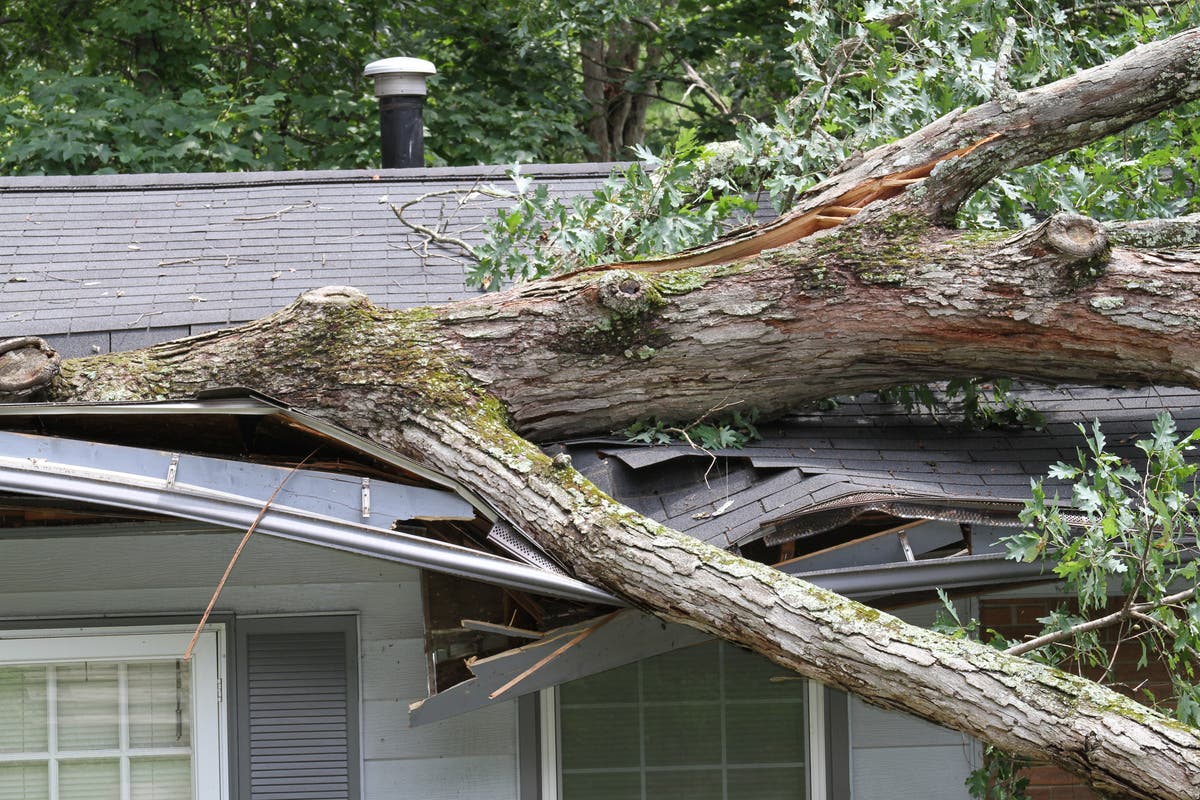
As residents scramble to clean up the unprecedented damage from last week’s crippling storm that spawned multiple tornados and macrobursts, Robert Weitz, Licensed Environmental Assessor and founder of RTK Environmental Group warns homeowners that it is dangerous to repair and rebuild too quickly.
“Hasty repairs after Superstorm Sandy created health hazards and subsequently required costly re-dos,” he cautioned.
According to Eversource Energy, last week’s storms actually caused more damage to the state's electrical grid than Superstorm Sandy. Officials said that 288 miles of electrical lines were destroyed, compared to 105 miles damaged by Sandy; there are more than 1,800 broken poles that need to be replaced, compared to the 1,700 lost in October 2012.
Find out what's happening in Danburyfor free with the latest updates from Patch.
“During Sandy, many homes and businesses were damaged by falling trees, massive flooding, and extended power outages,” says Weitz. “This led to panic. People started ripping out wet and damaged materials, causing even more damage than anyone could have imagined.” In doing so, they actually created additional problems.
“Toxic lead-paint dust and deadly asbestos fibers found in homes built before 1980 were released into the air, harming residents and workers,” he says. “And improperly-remedied mold damage, caused by water seeping into the structure, led to additional contamination and secondary mold infestation elsewhere in the home.”
Find out what's happening in Danburyfor free with the latest updates from Patch.
Any one of these noxious ingredients can be a health hazard, but the trifecta of toxins – asbestos, lead, and mold – can cause all kinds of health issues, short- and long-term.
Even for the thousands of homes that survived the storms seemingly unscathed, are now at risk, too. During the power outage, basement sump pumps rendered inoperable could not keep unwanted water outside, so mold damage is rampant.
Weitz is urging property owners to proceed with caution before fixing the damage caused by the latest storm, and to learn from the seven most common mistakes made after Superstorm Sandy.
Mistake 1: There’s No Plan
If you’ve endured any kind of damage, you need a plan. Here are some steps to put into action:
• Inspect the damage. Be sure to take photos and video of everything for insurance purposes;
• Contact your insurance company and FEMA to find out what benefits and help may be available to you;
• Throw away any still-wet materials. They are likely to contain mold growth;
• Dry out areas with water damage completely.
• Check for wind and tree damage on the roof and windows, which can cause leaks and subsequent mold;
• If you lost power, check appliances that use water, such as refrigerators or washers, for leakage and mold – both inside and around them.
Mistake 2: Going In Blind
If you have damage, start with an environmental inspection to assess your current and future environmental risk. An independent examination will pinpoint exactly what needs to be removed, what’s salvageable, and which environmental hazards are present or could occur.
Mistake 3: Hiring the Wrong Contractor
Beware of any “one-stop-shop” contractors who both test for environmental hazards and perform the repairs. That’s a conflict of interest and a red flag. An independent, certified testing company does not do remediation, and therefore, offers consumers an unbiased opinion about any contamination. After Hurricane Sandy, so many consumers were duped by contractors offering to both test and remediate, that New York State passed a law that makes it illegal for the same company to test and remediate mold on the same job. In addition, mold inspectors and contractors must now be certified by the state to ensure that they are properly trained to handle your mold problem.
Mistake 4: Pre-Paying for Services
Never pre-pay for work to “hold a timeslot,” or give a large down payment before any work has started. After Sandy, many people lost hundreds of thousands of dollars when corrupt contractors took their money and ran. Better to take the time to check contractors and testing companies on verified sites like the Better Business Bureau and Angie’s List.
Mistake 5: Not Testing Before and After You Rebuild
If you rebuild before a water-damaged area is completely dried out, you will be sealing mold into your walls. Mold can easily grow back and cause major damage. So, test before you rebuild and have a blueprint for removal. Afterwards, test to be sure the job was done correctly and the mold was cleaned up properly.
Mistake 6: Not Obtaining Proper Documentation
An independent environmental testing company will provide you with a detailed report, documenting that your home is cleared to be rebuilt. This documentation will be critical when you sell your home or file insurance claims. To ensure that your document holds up in court or elsewhere, make sure the testing company is certified, licensed, insured, and does not perform remediation, which could result in a conflict of interest claim.
Mistake 7: Not Getting the Paperwork
If your home sustains water damage again and mold returns, your insurance company may question whether the mold was actually caused by the new event or the old one. Without independent proof that an inspector found your home to be mold-safe after earlier repairs, the insurance company might take the position that a new claim is not justified or that you have met your policy limit.
“By taking some simple steps ahead of time, homeowners can save money and heartache, and protect their health,” says Weitz. Good advice!