Home & Garden
Rare Supermoon Lunar Eclipse Will Be The First In More Than 30 Years
Sky-gazers have something to look forward to that they won't see again until 2033.


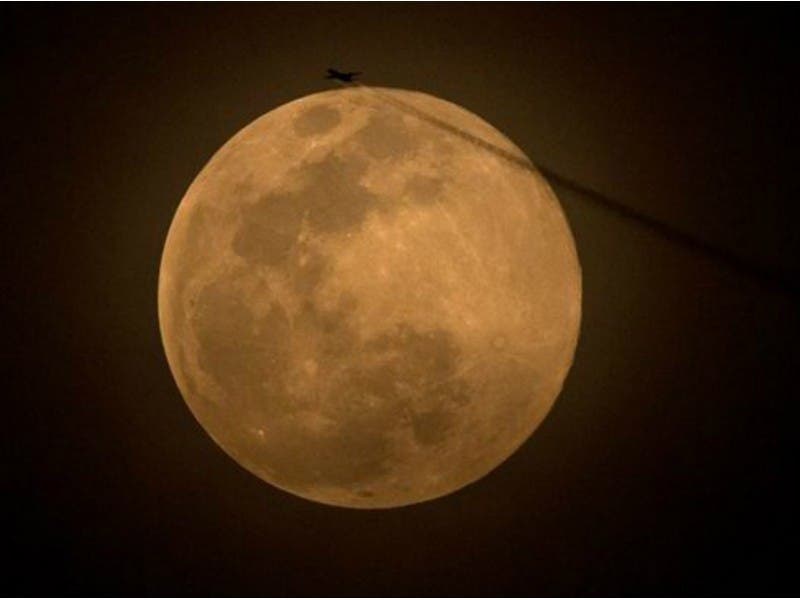
A harvest supermoon on Sept. 27 will have an added bonus: a lunar eclipse. (Photo via NASA)
By MARC TORRENCE (Patch National Staff)
On Sunday, Sept. 27, people in the United States can see something that hasn’t happened in more than 30 years: a supermoon combined with a lunar eclipse.
Find out what's happening in Durham-Middlefieldfor free with the latest updates from Patch.
In the evening, sky-watchers will see a larger-than-normal harvest moon begin to dim and turn red, lasting for more than an hour before returning to its normal brightness and color in the sky.
The last time this happened was 1982, and it won’t happen again until 2033.
Find out what's happening in Durham-Middlefieldfor free with the latest updates from Patch.
This light show in the sky is courtesy of two usually separate phenomena occurring at the the same time. The supermoon is what makes the moon appear bigger; the lunar eclipse turns the moon red.
The combination should make for a spectacular sight: a massive, red moon hanging in the sky for more than hour.
Moon-gazing Tips
- Show up to your stargazing destination while it’s still light out to allow your eyes to adjust slowly as the light disappears. This also allows you to see where you’re going as you choose the perfect viewing spot. If you go outside after dark, your eyes will adjust in approximately 20 minutes.
- Don’t use artificial light sources such as flashlights and cell phone displays. The first tip above should allow you to see enough to get around without damaging your night vision. If you need to use light, try placing red tape over a flashlight, since red light is less damaging to night vision ability.
- Bring chairs, blankets, water and snacks to make your night comfortable. You may be there for a couple hours, so don’t let hunger or discomfort ruin this spectacular evening!
- Know what to look for by visiting this website: This Week’s Sky at a Glance: Constellations, Supermoon and Lunar Eclipse. Stargazing is even more fun when you can point out constellations, planets and other celestial elements.
So, What Is a Supermoon?
“Supermoon” is the unofficial term for “perigee,” when a full moon coincides with the moon’s closest approach to Earth in its oval-shaped orbit, making it appear 14 percent bigger in the night sky.
(We’re actually in the middle of a cycle of three supermoons in a row. The first showed up Aug. 29, and the last will be Oct. 27.)
A lunar eclipse happens when the Earth passes between the moon and the sun. The moon enters the Earth’s shadow, creating a reddish glow on the moon.
NASA says the supermoon will begin to dim at 8:11 p.m. EDT. A shadow will fall over the moon starting at 9:07 p.m., with the total eclipse beginning at 10:11 p.m. and lasting for an hour and 12 minutes.
It’s also no cause for concern, despite the ancient Incans and Mesopotamians believing the moon to be under attack during a lunar eclipse.
“The only thing that will happen on Earth during an eclipse is that people will wake up the next morning with neck pain because they spent the night looking up,” Noah Petro, deputy project scientist for NASA’s Lunar Reconnaissance Orbiter said in a press release.
Don’t want to wake up with neck pain? Use a reclining lawn chair so you won’t have to worry. Enjoy the astronomical event!
Click here to view the Reddit thread on best places to stargaze in Connecticut.
Get more local news delivered straight to your inbox. Sign up for free Patch newsletters and alerts.