Neighbor News
Constitutional Considerations: How Do Enfield Board of Education Protocols Measure Up?
When elected board members are denied a clear place to speak, transparency and representation suffer
Does being elected to public office require an individual to surrender their freedom of speech, association, and expression under the First Amendment?
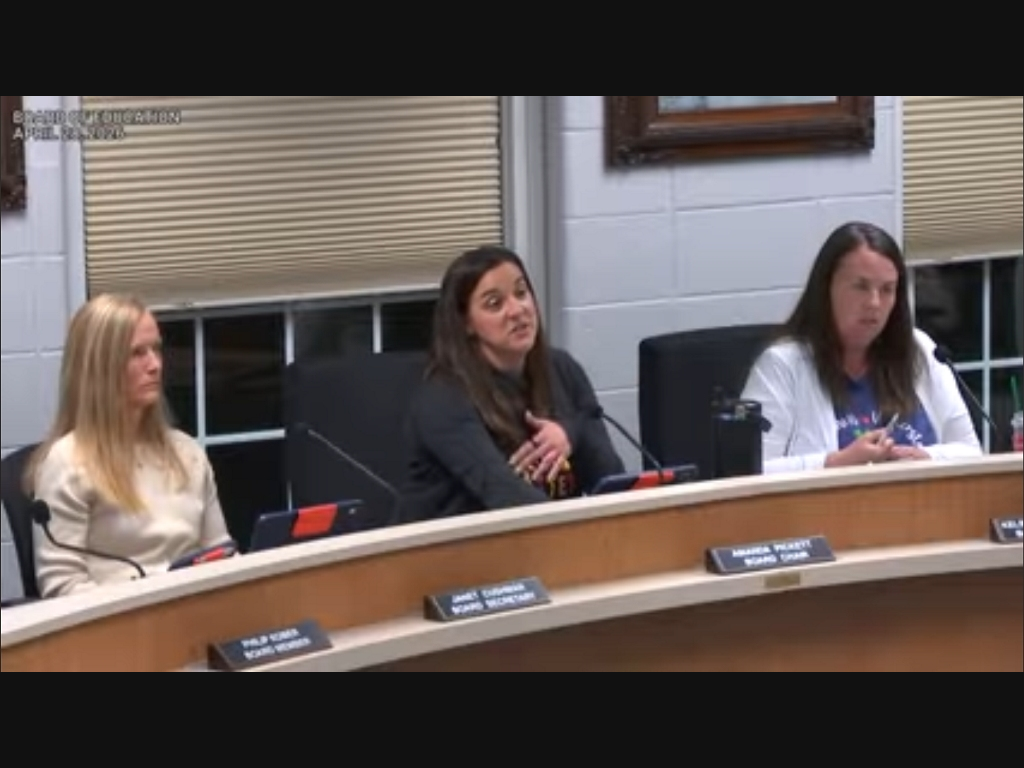
That question came to the forefront at the April 28 meeting of the Enfield Board of Education, when two elected board members sought to speak during public comment. Board Chair Amanda Pickett raised a Point of Order and stated, “You are at tonight’s meeting as a Board of Ed member. This section of our agenda is reserved for public comment to address us as Board members.”
She went on to say that allowing board members to speak during public comment “blurs the lines” of Board Policy and Bylaw 9005, specifically regarding dual representation, role distinction, and conflict of interest.
Find out what's happening in Enfieldfor free with the latest updates from Patch.
But that raises an important constitutional and practical question: Are elected board members, who also live in Enfield, pay taxes in Enfield, and are affected by decisions made in Enfield, no longer members of the public?
Ultimately, based on a suggestion from the Superintendent of Schools, Chair Pickett dismissed her own Point of Order and allowed Board Members Phil Kober and Rob Anderson to speak as members of the public. While the right decision was eventually made, it should never have come to that.
Find out what's happening in Enfieldfor free with the latest updates from Patch.
Case law also supports the actions of Kober and Anderson. In Durham Agricultural Fair Association, Inc. v. Durham Planning and Zoning Commission, the issue involved public comment during a hearing and whether a member involved in the proceeding could still participate in a way that required them to be treated like a member of the public. The principle is important here: serving in an official capacity does not automatically erase a person’s rights as a resident, taxpayer, or member of the public.
That matters because Kober and Anderson were not asking for special treatment. They were asking to speak on matters of public concern in the only section of the agenda still available to them after the Board removed “Board Members’ Comments.”
Why Did This Happen?
Prior to March 10 of this year, the Enfield Board of Education had a recurring agenda item at each regular meeting titled “Board Members’ Comments.”
At the time, Bylaw #9325.2 defined that portion of the meeting this way:
“During this portion of the meeting any Board Member may bring up verbal communications they have received, communicate ideas or concerns to other Board Members and/or the Administration, or any one member may request that an item be placed on a future agenda for reaction by the Administration and/or discussion by the Board. With the permission of the Chair, the Superintendent, or designee, may answer Board Members’ questions and/or concerns.”
That section gave elected board members a clear, public, and appropriate place to raise concerns, share information from residents, ask questions, and request that future agenda items be considered.
Following significant debate and a contested vote that split nearly along partisan lines, the Democratic majority removed that recurring agenda item as part of a major revision and overhaul of the Board’s 9000 series policies and bylaws.
The stated goal was meeting efficiency. But efficiency should never come at the expense of transparency, representation, or public accountability.
Board members are now largely limited to speaking only on items already placed on the agenda. In practice, that means free speech is checked at the steps of the dais. If a board member wants an item added to the agenda, Chair Pickett has said there is “a clear procedure for that.” But that process happens outside the full view of the board and the public.
So the obvious question remains: How will voters know what items were proposed but never made it onto the agenda?
Public Comment Became the Only Available Option
During his public comment, Mr. Kober raised concerns regarding public access, participation, and transparency in Board subcommittees. These subcommittees often play a key role in determining what eventually moves forward to the full Board for discussion or final action.
Mr. Anderson used his time to raise questions and considerations regarding the financing of an upcoming school construction project. While the Board has already approved educational specifications, the financial impact, bonding, and long-term taxpayer burden ultimately involve the Town Council as the fiscal authority and the voters through a public referendum.
These are not minor issues. These are exactly the kinds of concerns elected representatives should be able to raise publicly.
Had “Board Members’ Comments” still been part of the agenda, both members would have had a proper place to bring forward their concerns. Instead, the removal of that agenda item forced them to use public comment simply to express thoughts that, until recently, would have had a clear and established place in the meeting.
That is not better governance. That is less transparent governance.
This entire controversy could be resolved easily if the Enfield Board of Education simply restored “Board Members’ Comments” to the regular meeting agenda. Doing so would give elected board members a proper, transparent, and public place to raise concerns, share resident feedback, and request future agenda items. It would also remove any confusion over whether a board member must speak as an elected official or as a member of the public.
Moving Forward
Whether Board Chair Pickett will seek a legal opinion at public expense remains unclear. But common sense should prevail. Government should always err on the side of free speech, open discussion, and transparency.
Points of Order should be used carefully and consistently with parliamentary procedure and board bylaws. They should not be used in a way that appears to suppress legitimate constitutional concerns or silence elected representatives from speaking publicly.
A public statement from the Enfield Democratic Town Committee claimed that “actions were taken that shifted the tone and focus away from the important work our community expects and deserves” at that meeting.
But if sitting board members cannot publicly communicate ideas or concerns to other board members, the administration, or the public, then the work of the Board becomes less collaborative and less transparent. If members cannot openly request that issues be placed on a future agenda, then the public has no way of knowing what concerns are being raised, ignored, or blocked from discussion.
That is not how representative government should work.
When a simple majority is given nearly all the political power over what gets discussed, what gets delayed, and what never sees the light of day, every resident should be concerned. Good governance requires more than votes. It requires fairness, openness, respect for the process, and the inclusion of all elected voices.
We must continue to support freedom of speech, association, and expression. We must continue to demand transparent governance. We must continue to expect accountability from those elected to serve.
And we must support representatives who are willing to rise and be the voice of the public they represent — because they are not separate from the public.
They are part of it.