Politics & Government
Kiner's Korner: Speed Traps, Privacy and Other Rights
More government intrusion into our daily lives.

Speed traps, invasion of privacy, and first amendment rights all have one thing in common - the potential erosion of our constitutional rights.
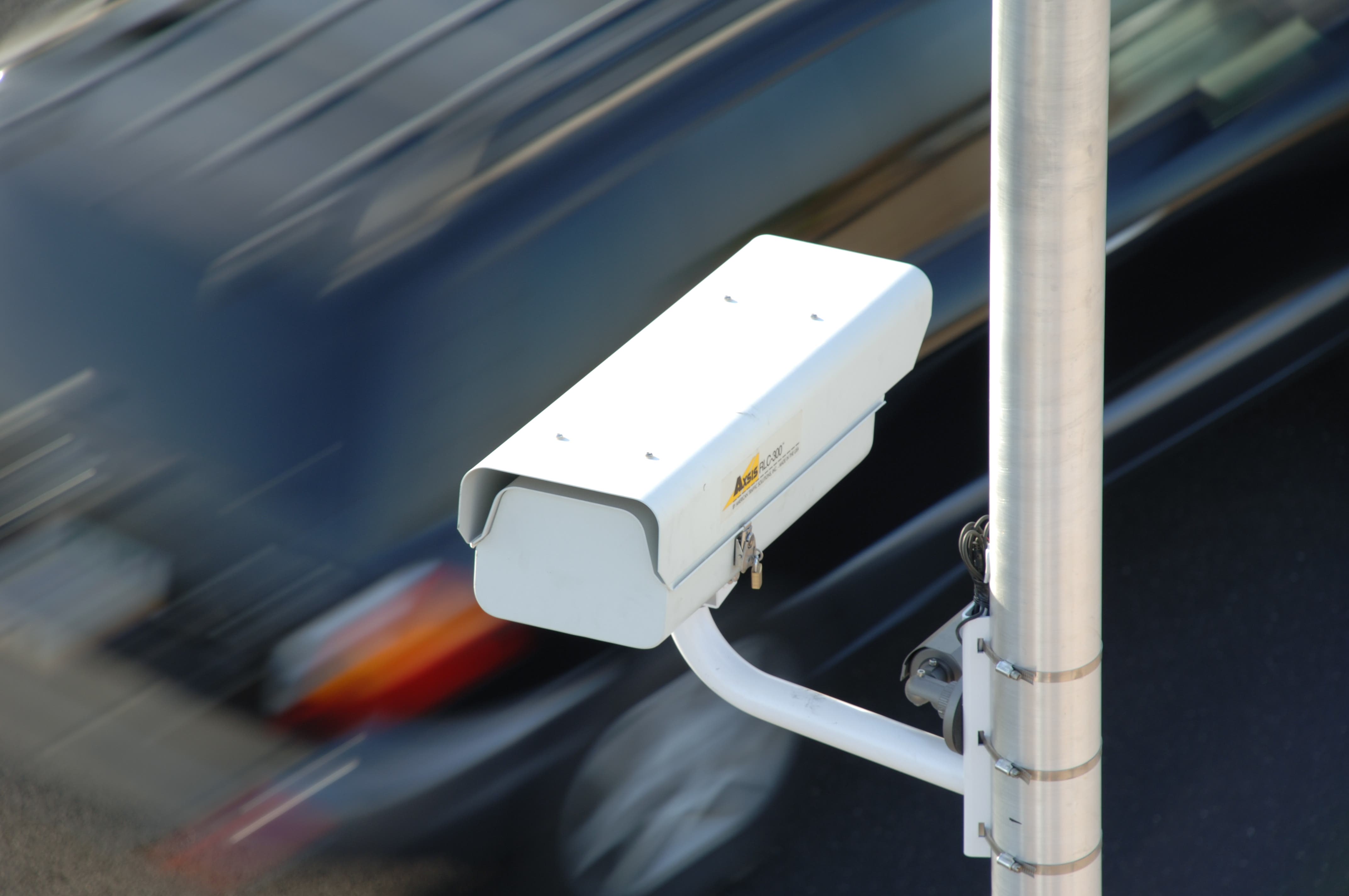
The Connecticut General Assembly will soon be debating the ability for local governments to install cameras at traffic lights. You run a red light - the camera gets you. You make a "rolling stop" at a red light, and the camera gets you. There is no doubt that these cameras will serve as a deterrent for those who drive in an unsafe manner. The speed traps in the old south did the same thing. Is that what we want in Connecticut?
But there is more to it than that. Do we really want cameras that have the potential of taking pictures of more than just a license plate? Will these cameras have the ability to take a "candid" photo of the driver and his or her passengers? Do we really want the government to intrude into our daily lives, perhaps innocuously, but intruding none the less. And how long do these pictures remain on file? Who has access to them? Can those pictures be used in some other manner? These red light cameras would also become revenue producers as well. You just know that when you receive a letter from the government with your license plate picture enclosed (and maybe you as well), running a light, you are just going to pay up and probably not ask too many questions. And as Don Noel asks in a recent Hartford Courant article, what ever happened to your right to face your accusers? The accuser is the camera.
Find out what's happening in Enfieldfor free with the latest updates from Patch.
And speaking of rights: What about other first amendment rights? On the Federal level religious entities are being told what benefits their employees must receive. Insurance companies, under a compromise idea, will be mandated to provide certain benefits. There are so many issues involved here, but in boils down to really just two: women's rights and the first amendment to the U.S. Constitution creating a separation between Church and State. Perhaps there is a way around this problem without the government getting involved. I hope so.
I take the right to privacy seriously, as does the U.S. Supreme Court, who has ruled that there is an implied right to privacy within the Constitution.
Find out what's happening in Enfieldfor free with the latest updates from Patch.
Years ago, the Connecticut General Assembly debated two bills concerning privacy. One bill passed and the other failed.
The bill that passed was the mandatory drug testing for certain jobs. I argued, unsuccessfully on the floor of the House, that the potential for abuse of this law was incalculable. When a lab technician tests a urine specimen for drugs, that same lab technician can identify anything that he or she wants to from that particular specimen. Is the person being tested pregnant, does the person have a sexual disease, how about diabetes, heart disease, and other diseases? My belief was that there was no safeguard in the system to protect the identity of the test subject and any malady that they may have.
The second bill that failed was the "autopsy bill". This was a bill heralded by the press as a freedom of information issue. Someone dies, and everyone gets to know what that person died from. The intentions of the press were good, at that time, but the potential for harm was too great to let this bill pass. I can recall one legislator relating a story that the mother of a teenage daughter (who was killed in an auto accident), found out from a reporter that her daughter was pregnant. Who has a right to know that? I vehemently opposed the bill and offered a compromise to protect people's privacy. My colleagues in the House agreed with me and the bill was defeated.
Just some "food for thought".