Neighbor News
What Enfield’s Financial Update Is Really Telling Us
A closer look at what aging infrastructure and deferred maintenance mean for Enfield's future.

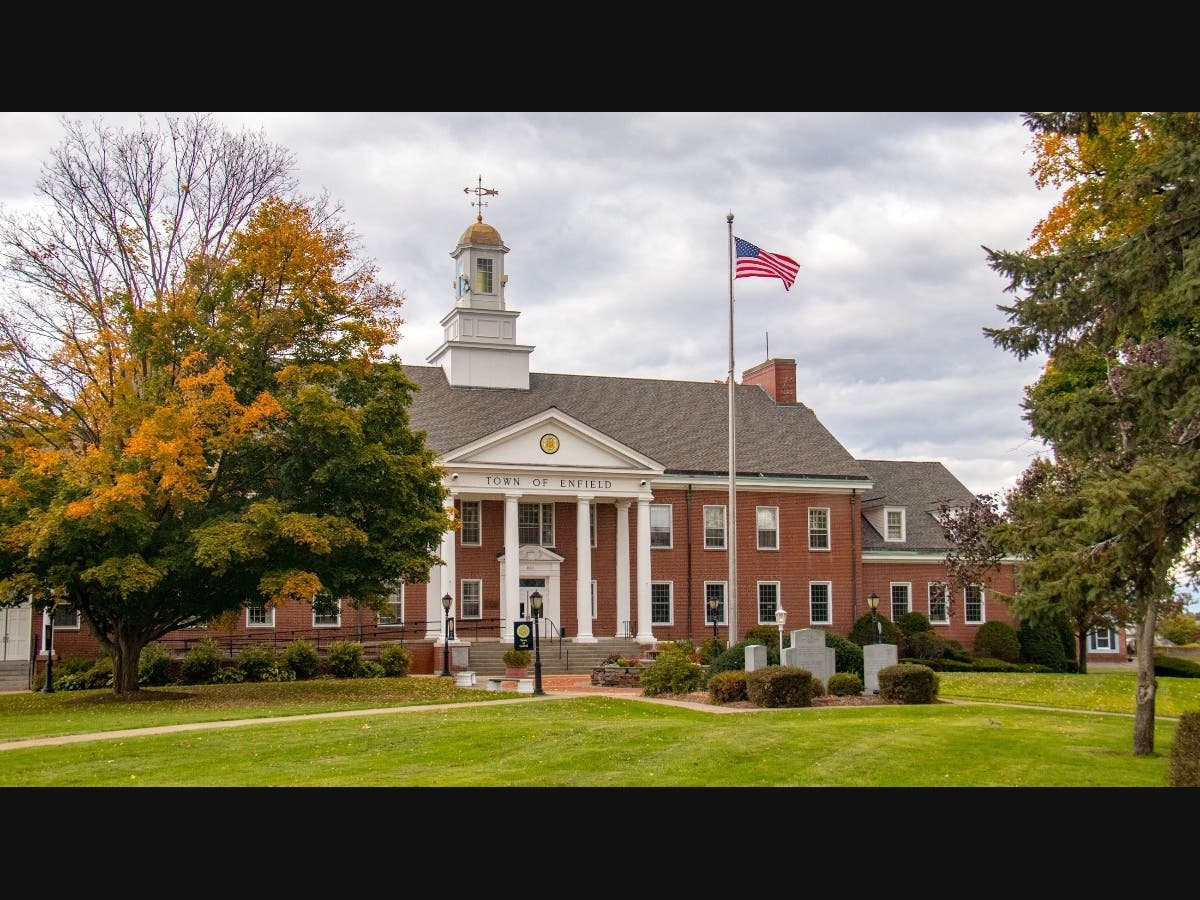
The town’s recent financial presentation wasn’t just a routine update. It was an early warning.
The report did not describe a crisis today. Instead, it showed aging infrastructure, rising fixed expenses, and declining capital investment occurring at the same time. That combination matters because it points to a long-term pattern rather than a short-term problem.
Infrastructure rarely fails suddenly. It wears out gradually. Roads deteriorate a little more each winter. Equipment lasts a little less long. Most importantly, water and sewer systems age underground where no one sees them. When maintenance is postponed, the cost does not disappear- it accumulates.
Find out what's happening in Enfieldfor free with the latest updates from Patch.
For many years, Enfield has balanced yearly budgets while delaying some long-term maintenance. Each individual decision may have seemed reasonable at the time. Preventative work is easy to delay because the consequences are not immediate. But the cumulative effect is predictable: multiple systems begin aging at once.
We are starting to see that now.
Find out what's happening in Enfieldfor free with the latest updates from Patch.
The financial report showed increasing fixed costs at the same time infrastructure needs are growing. Deferred maintenance does not reduce expense; it changes when the expense occurs and usually increases how large it becomes.
This challenge is not unique to Enfield. Many mature towns face it. But recognizing it early matters, because towns have far more choices before systems fail than after they do.
Our roads, facilities, and underground utilities represent investments made over generations. Maintaining them is not optional, it is the cost of keeping a stable and affordable town over time.
The value of the financial report is that it gives us information while we still have time to act deliberately. Gradual planning is manageable. Emergency repair is not.
This is not about blame or any single budget year. The pattern developed over decades, and it will take time and planning to correct. But the first step is acknowledging what the report is telling us: postponing maintenance does not avoid cost. It delays it.
The presentation wasn’t a reason to panic. It was a reason to pay attention.
What matters now is whether we treat it as a routine report or as a signal to begin planning more seriously for the town’s future.