Health & Fitness
2 Hospitalized For West Nile Virus In CT: DPH
The two required hospitalization after suffering from swelling of the brain.


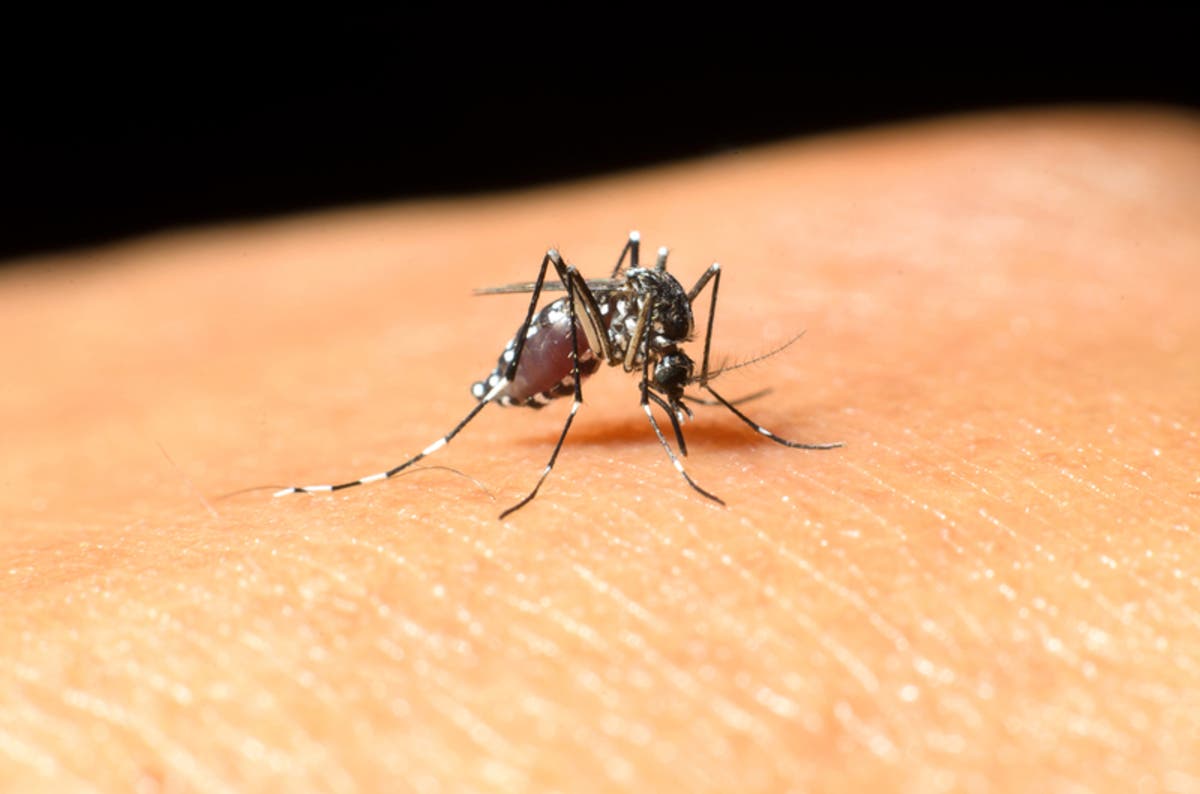
FAIRFIELD, CT — The Connecticut Department of Public Health announced Friday that two Connecticut residents have tested positive for West Nile Virus. They are the first identified cases this season in the state.
The residents are from Fairfield and Newington and are both between the ages of 60 and 79-years-old. They became ill the last week of July with encephalitis and were hospitalized. Both are recovering and one remains hospitalized.
"The identification of two Connecticut residents with West Nile virus associated illness that required
hospitalization underscores the potential seriousness of infection," said DPH Commissioner Dr. Raul Pino.
"Using insect repellent, covering bare skin and avoiding being outdoors during the hours of dusk and dawn are effective ways to help keep you from being bitten by mosquitoes."
Find out what's happening in Fairfieldfor free with the latest updates from Patch.
Weather conditions continue to be favorable for mosquitoes to transmit the virus said Dr. Philip Armstrong, medical entomologist at the Connecticut Agricultural Experiment Station.
West Nile Virus has been detected in the state every year since 1999. There have been 134 confirmed cases before 2018 with three deaths. Last year there were three infected patients.
Find out what's happening in Fairfieldfor free with the latest updates from Patch.
About eight out of 10 people will experience no symptoms if infected with the virus. About one in five people develop a fever and other symptoms and 1 in 150 develop serious illness.
More from DPH:
Tips for reducing mosquitoes around homes
Mosquitoes require water for reproduction. The following are measures that can help reduce mosquitoes:
- Eliminate standing water suitable for mosquitoes. Dispose of water-holding containers, such as
- ceramic pots, used tires, and tire swings.
- Drill holes in the bottom of containers such as those used for recycling.
- Clean clogged roof gutters.
- Turn over objects that may trap water when not in use, such as wading pools and wheelbarrows.
- Change water in bird baths on a weekly basis.
- Clean and chlorinate swimming pools. When pools are not in use, use pool covers and drain
- when necessary.
Tips for avoiding mosquito bites when outdoors
- Mosquitoes require a blood meal for reproduction. The following are measures that can help reduce bites
- from mosquitoes that feed on people:
- Be particularly careful at dusk and dawn when mosquitoes are most active.
- Wear shoes, socks, long pants, and long-sleeved shirts. Clothing material should be tightly
- woven.
- Use mosquito netting when sleeping outdoors.
- Consider the use of CDC-recommended mosquito repellents, containing DEET, picaridin, oil of
- lemon eucalyptus, IR3535, or 2-undecanone, and apply according to directions, when it is
- necessary to be outdoors.
- When using DEET, use the lowest concentration effective for the time spent outdoors (for
- example, 6 percent lasts approximately two hours and 20 percent for four hours) and wash
- treated skin when returning indoors. Do not apply under clothing, to wounds or irritated skin, the
- hands of children, or to infants less than two months old.
- Also, be sure door and window screens are tight fitting and in good repair to avoid mosquito
- bites when indoors.
Image via Shutterstock
Get more local news delivered straight to your inbox. Sign up for free Patch newsletters and alerts.