Crime & Safety
Glastonbury Resident Sentenced In $6 Million Investment Fraud Case
A Glastonbury resident is getting jail time and has been ordered to pay heavy restitution in a federal business fraud case.


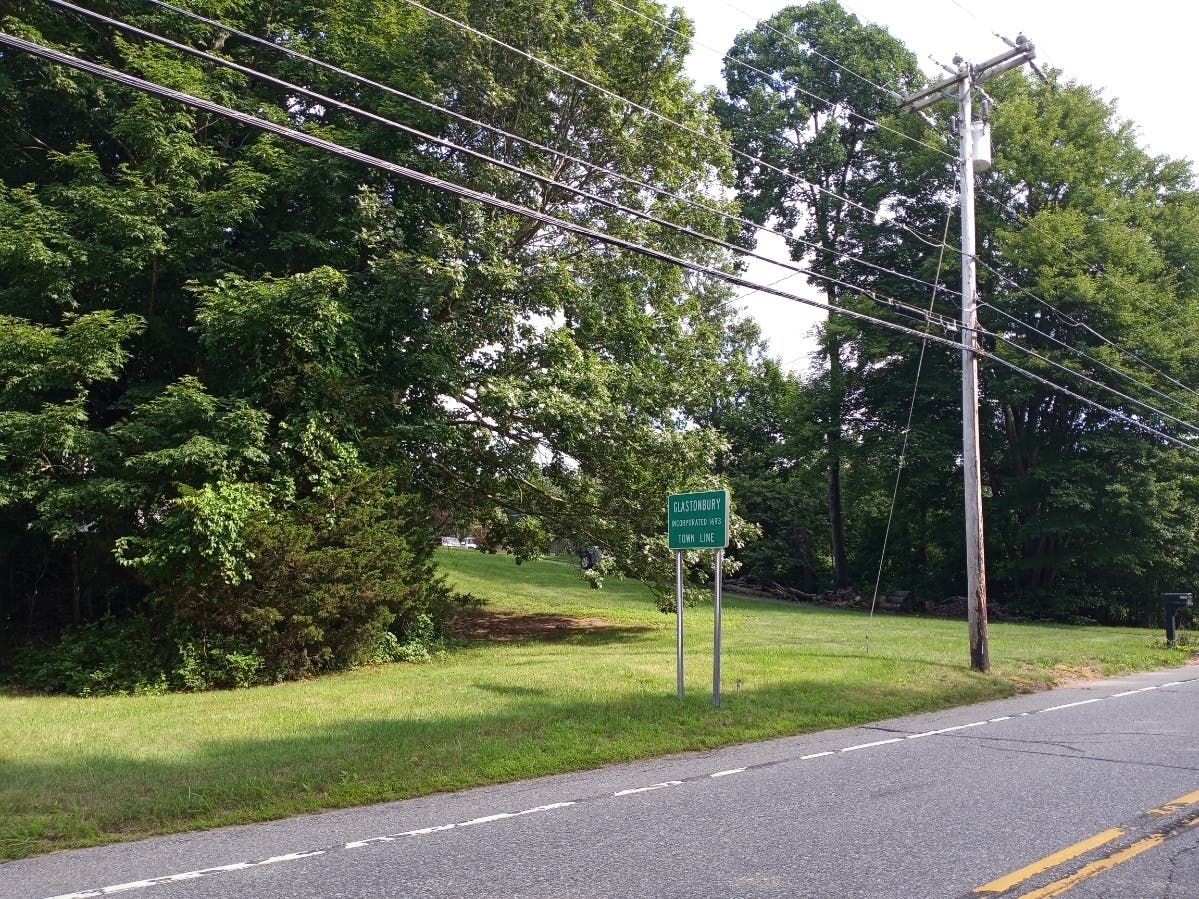
GLASTONBURY, CT — A Glastonbury resident was one of two men sentenced Thursday in federal court in Boston for a multi-year fraud scheme that caused more than $6 million in losses to investors, according to the FBI.
Thomas D. Renison, 69, of South Glastonbury, was sentenced by U.S. Senior District Court Judge George A. O’Toole, Jr. to four years in prison and three years of supervised release, FBI officials said. Renison was also ordered to pay forfeiture of $526,120 and restitution of $6,240,983. In October 2020, Renison pleaded guilty to one count of conspiracy to commit wire fraud and two counts of filing false tax returns.
Timothy J. Allcott, 65, of Peabody, MA, was sentenced by Judge O’Toole to 30 months in prison and three years of supervised release. Allcott was also ordered to pay forfeiture of $5,052,661 and restitution in the amount of $6,098,173. In July 2020, Allcott pleaded guilty to one count of conspiracy to commit wire fraud.
Find out what's happening in Glastonburyfor free with the latest updates from Patch.
In January 2020, the Securities and Exchange Commission charged Allcott and Renison with fraudulently misleading investors in connection with the same conduct.
According to case records, Renison was the former owner of ARO Equity LLC, a privately-held investment company that purportedly pooled money from investors and then invested it in various New England-based businesses. Between 2015 and 2018, Renison and Allcott fraudulently raised and solicited funds for ARO Equity LLC by misrepresenting to victims how their money would be invested, ARO’s investment track record and the safety of the investments, according to case records.
Find out what's happening in Glastonburyfor free with the latest updates from Patch.
Allcott and Renison also concealed Renison's ownership interest and affiliation with ARO because the SEC and regulators in Maine had previously barred Renison from working in the securities industry, according to case records.
Over the course of the scheme, ARO took in more than $6 million from investors, but only invested half of that amount, according to case records. Of the investments that ARO actually made, the substantial majority yielded "significant losses," case records indicate.
Despite these losses, Allcott and Renison failed to inform the victims of the poor performance of prior investments, prosecutors said. Instead, they told the victims on many occasions that the investments were doing well and remained safe, they added..
ARO paid required monthly payments to earlier investors using funds raised from later investors, according to prosecutors.
The defendants generally told victims that ARO would use their investments to fund one of three different businesses, but Renison and Allcott paid themselves exorbitant commission fees, satisfied monthly interest obligations to other investors and invested in different undisclosed businesses, according to case records.
As part of the scheme, Allcott and Renison disguised commissions paid to Renison as loans to Renison's wife, which allowed them to continue to conceal Renison’s ownership stake in the company, according to prosecutors. In addition, Renison failed to declare more than a half-million dollars of commission income and failed to pay more than $150,000 in taxes, prosecutors said.
Get more local news delivered straight to your inbox. Sign up for free Patch newsletters and alerts.