Neighbor News
Removing Stains from Walls
Daily life tends to deposit smudges, smears, and fingerprints on your walls. Whether painted or papered, there are ways to keep walls clean.
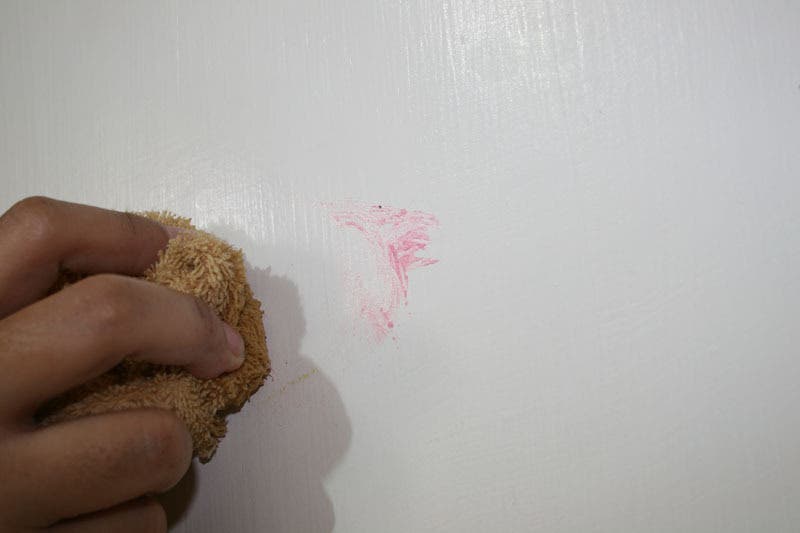
Daily living tends to deposit smudges, smears, and fingerprints on your walls. Whether they’re painted or papered, there are ways to keep walls clean and gleaming.
Once you’ve prepped – moved furniture and put down drop cloths – you’ll want to make sure the walls are clean. Dust the walls and use a vacuum cleaner to get dust and cobwebs from upper corners.
Find out what's happening in Glastonburyfor free with the latest updates from Patch.
When you’re ready to start washing the walls, mix a wall-cleaning solution in a bucket. For normal soil levels, try a mild detergent solution that consists of warm water and liquid dishwashing detergent.
If the wall is more heavily soiled, mix water, a non-sudsing ammonia, white vinegar, and washing soda. Spot test this mix before doing your whole wall.
Find out what's happening in Glastonburyfor free with the latest updates from Patch.
You should also have a bucket of clean water that will be used for rinsing. Change the water if it starts to look very dirty as you work around the room.
Avoid drip issues by washing walls from the bottom up. Yes, you’ll drip onto already-cleaned areas, but the solution will be a quick swipe with a sponge, not a tough cleaning job.
Rub the wall gently to avoid removing paint. Work in small areas, washing and then using the sponge to rinse the area with clear water.
Blot the excess moisture with white cleaning cloths.
If you need a breather, take it between walls, not in the middle. Stopping the job before you finish the entire wall can cause “wash marks” – a wave effect caused by stop-and-go wall washing.
You can also wash wallpaper if you need to. However, the same color and texture that you love can cause problems when it’s time to clean.
Before you begin, you’ll want to check the manufacturer’s guidelines. Because wallpapers differ in content and coating, follow the manufacturer’s advice for appropriate cleaning methods.
When prepping the walls, dust carefully. Use a lamb’s wool duster, or tie a dry cleaning cloth over a broom to dust the walls before cleaning.
If you have older, non-coated wallpaper, use a “dry sponge.” This product lifts and removes surface dirt without moisture. Rub it lightly against the surface in long strokes to remove dirt.
For scrubbable or washable wallpaper, use a natural sponge that has been lightly dampened with a solution of warm water and a small amount of liquid dishwashing detergent.
Before cleaning, test the solution in an inconspicuous corner to be sure it won’t remove paper or coating. Don’t scrub too hard or allow the paper to get too wet to avoid damage. Use cleaning cloths to absorb extra moisture after rinsing.
For fingerprints or smudges, remove them by rubbing them gently with an art gum eraser. Be gentle so as not to damage the area. Commercial wallpaper cleaners may also be used for the small stuff.
When cleaning wallpaper, never use an abrasive cleaner. The abrasive granules can scratch the wallpaper’s coating.
Need a little help? Give Maid Brigade of Northern Connecticut a call and see what we can do for you.