Politics & Government
Residents Call for Charter Revision on Budget Approval
Most of the 12 residents who spoke at a special meeting Saturday called for a full referendum instead of the current Town Meeting process.


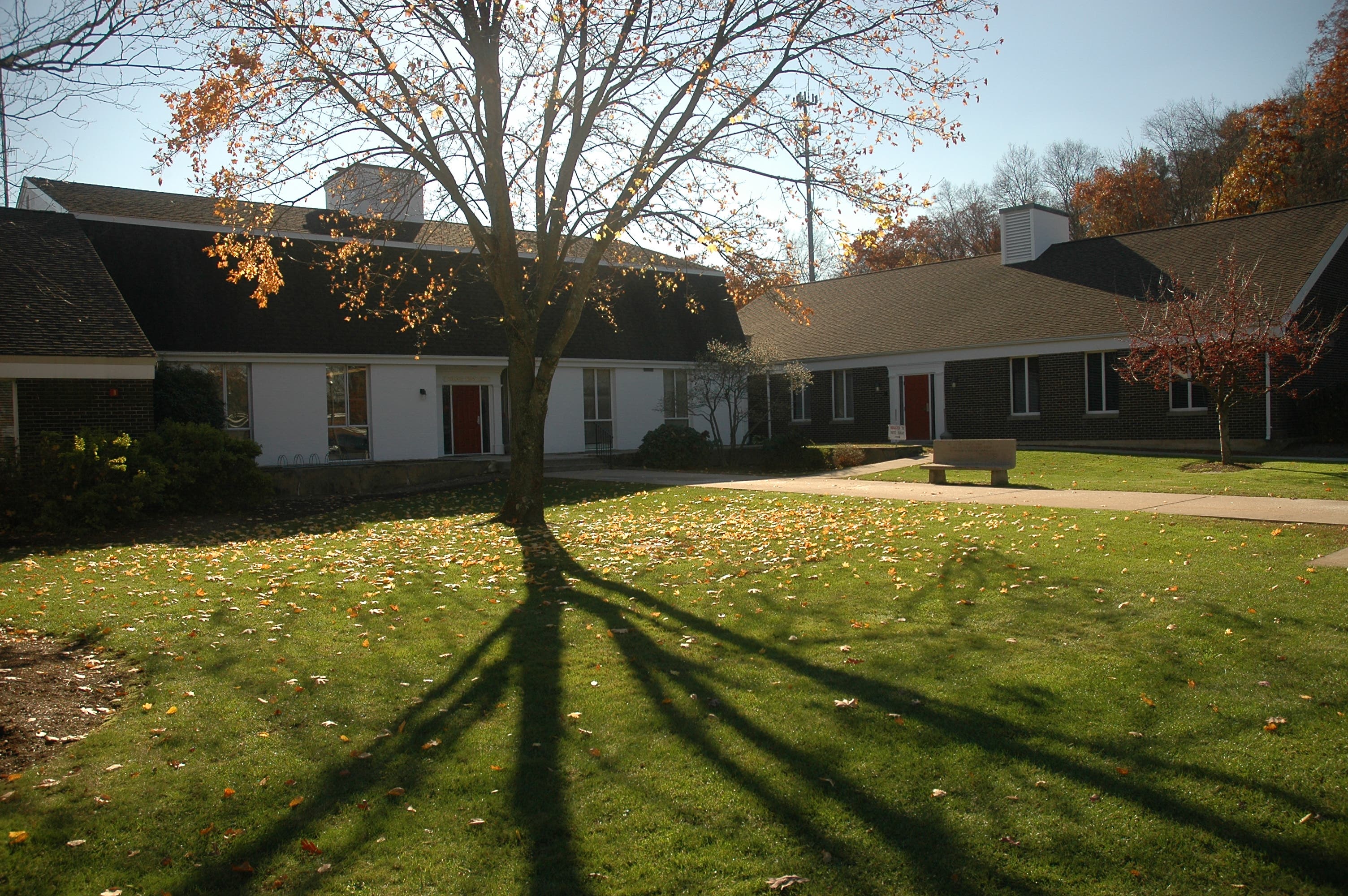
The vast majority of Granby residents who spoke at the Charter Revision Commission’s public input session Saturday called for a change in the process of how the town’s annual budget is approved.
Indeed, nine of the 12 people who spoke at the meeting at urged commission members to adopt some budget-approval reform.
Most were in favor of a full machine-vote referendum in favor of the current system, which is a vote at a Town Meeting that is triggered by the attendance of 230 residents. A budget is approved if two-thirds of those in attendance vote in ‘yes.’ Last year, for example, 273 people (232 in favor, 41 opposed) voted at the Town Meeting for the 2012 operating budget.
Several of those who spoke at the commission session Saturday said that the current system is exclusionary and favors special interests - such as town and school employees - over the interests of the entire community.
Resident Peter Dinella said that, with just over 7,000 registered voters in Granby, 230 eligible people at a Town Meeting represents just 3.3 percent of the electorate. If just ⅔ of those in attendance are necessary for a budget to pass, that would be just 154 ‘yes’ votes, representing 2.2 percent of the electorate.
“If just 154 people are required to pass a budget, you can fill the meeting with people who are clearly predisposed in favor of voting for that budget,” Dinella said.
Dinella said that many people, such as his neighbor, who is a pilot, are unable to attend Town Meetings.
“It’s just not possible for a lot of people anymore,” Dinella said. “[The current system] is out of step and it doesn’t look good.”
Dinella said that he isn’t accusing anyone of doing anything untoward, or that elected officials aren’t good, dedicated individuals.
“I think everyone has good, honest intentions, and that they are good, honest people,” he said. “It’s just the process of voting on the budget.”
Reinard Maier echoed Dinella’s sentiments.
“We need to be more inclusive and get more people involved,” he said.
Ron Desrosiers however, said that the two operating boards - Education and Selectmen - as well as the Board of Finance acting as a financial check, in addition to the Town Meeting, ensures the “smooth operation of government.”
“People are invited to budget workshops and the annual budget meeting; those who are able to can attend,” Desrosiers said. “I don’t think we are disenfranchising anybody."
As proof, Desrosiers cited that the budget has been voted down at the Town Meeting just twice; in both instances, something controversial had arisen. (If a budget is voted down at a Town Meeting, it goes to a referendum.)
"I’m not sure the additional effort for a machine vote is warranted," Desrosiers said. "You have elected representatives. If you don’t feel they are doing their job, they shouldn’t be voted into office.”
That didn’t sit well with some, who said that it’s difficult to vote someone out of office if they run unopposed. Indeed, there were no contested seats at the most recent municipal election that was held in November.
Commission member Jim Lofink said that there was nothing Machiavellian behind the uncontested elections. “It’s difficult to get people to run,” he said.
Another argument against a referendum the actual cost of having one, to which Dinella replied that he would “be thrilled to spend additional tax money for a town vote.”
Resident Michael Mercier, proposed charter revisions included moving the Town Meeting to Saturday, instead of Tuesday, to accommodate people who work late or otherwise cannot be in attendance.
Another suggestion was to bifurcate the town and school operating budgets into two separate votes instead of one.
Three attendees, Cal Heminway, Judy Goff and Dinella, all spoke against splitting the budget vote.
“You are pitting the two operating boards - the selectmen and education - against each other,” Heminway said. “It would be disruptive and destructive.”
“I was on the Board of Education for years and I always thought that was a bad idea,” Goff said. “You get parents working against non parents, and the school system is important for all people in town who own property.”
Not all of the issues raised by residents were related to the budget, however.
Goff wanted to know if there was a way to insert into the charter a mechanism to remove sitting board members who were no longer participating in meetings.
This was in apparent response to former school board member Marie Nicholls, who fell ill and was unable to attend meetings, but refused to resign.
Others merely called for the commission’s meetings to be better noticed.
“It should be on the front page of the town’s website,” Jack Powers said.
The commission will continue to meet and seek public input. Resolutions for any changes aren’t expected to be voted on until June.
The next commission meeting is scheduled for Feb. 15.
Find out what's happening in Granby-East Granbyfor free with the latest updates from Patch.
Get more local news delivered straight to your inbox. Sign up for free Patch newsletters and alerts.