Politics & Government
The Latest Buzz on the Upcoming Mosquito Season
With mosquitos expected to hatch soon, state officials prepare to begin testing next month across Connecticut for viruses.
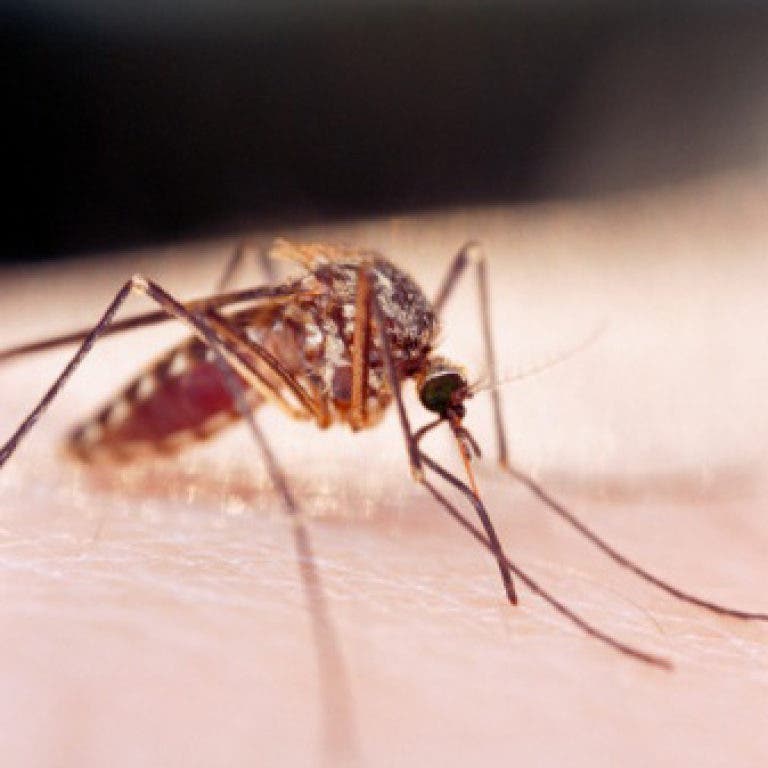
That familiar buzzing in your ear will return soon this spring, but officials believe it may be no worse a mosquito season than usual.
Mosquitoes have yet to really make their entrance, said Paul Capotosto of the state Department of Environmental Protection Wildlife Division's Mosquito Management Program, but, rest assured, they will be hatching soon.
The timing of mosquito hatching on flooded land, such as that along the Connecticut River, depends on the weather, he said. The temperature and the amount of sunshine are important factors, he said.
Find out what's happening in Granby-East Granbyfor free with the latest updates from Patch.
“They normally hatch around mid-May,” he said. “That’s why, if you notice, there’s hardly any mosquitoes around.”
Capotosto said there are about 50 different species of mosquitoes in Connecticut.
Find out what's happening in Granby-East Granbyfor free with the latest updates from Patch.
The DEP will begin testing the mosquitoes for West Nile virus and eastern equine encephalitis in roughly one month, on June 1. Generally, Capotosto said, West Nile doesn’t show up until mid-summer, roughly late July to early August. After the first positive results, he said, the DEP works with the public health departments to issue alerts.
“West Nile virus is generally fairly innocuous in people, but once in a while it does cause major medical problems, especially in the elderly,” said Charles Motes Jr., director of health in Southington. “West Nile virus is a bigger problem, or has been noted more often along the coastline in Fairfield County.”
Eastern equine encephalitis, Motes said, can be found in mosquitoes that live in wooded areas in certain parts of the state.
Motes said very few communities treat for mosquitoes, and for the most part residents take precautions on their own.
Farmington Valley Health District Director Richard Matheny said towns in the area haven’t sprayed in at least the past 35 years. Matheny said when West Nile virus was first recognized about 10 years ago, the state made larvicides available to put in catch basins.
“Several towns took advantage of that,” he said. The larvicides were handled by municipal public works departments, he said.
Matheny said heath district’s focus is more or less on the educational side, and on measures residents can take to help deter mosquitoes, such as taking care of stagnant water.
“Most mosquitoes bite within a short distance of where they hatch,” he said.
Motes said preventative measures include using repellants, wearing long sleeves and long trousers and the using window screens. Capotosto also recommended clearing away water in unused bird baths, catch basins, tires or clogged rain gutters, where mosquitos will breed.
“Anything that holds water for more than five to seven days will breed mosquitoes,” he said.
In the Farmington Valley area, Capotosto said, there are traps in West Hartford at Spicebush Swamp, in Farmington at Shade Swamp and in Southington on East Road/Kensington Road.
“These are areas where we had West Nile in the past, so we test for mosquitoes,” he said.
The 2010 results show a total of 1,406 mosquitos between the three test sites (509 in Farmington, 483 in West Hartford and 414 in Southington), and one positive result for West Nile virus found in West Hartford.
So are we in for more mosquitoes this year? Capotosto said that despite some perception that it has been exceptionally rainy, "we’ve had a very normal spring."
The state might see a bigger hatch of mosquitos within the next couple of weeks, but Capotosto said it’s nothing like two years ago, when flooding and rain encouraged a load of mosquitoes.
“Mosquito season is basically what happens with rainfall,” he said. “If we have a lot of rain, we have a lot of mosquitos. If we don’t, they hatch, live for a month and die off.”
For more information, call the Connecticut Mosquito Management Program at 1-866-968-5463 or visit its website.