Politics & Government
Connecticut Marijuana Debate Heats Up at Capitol
A number of people for and against legalizing recreational use of marijuana voiced their opinions at the capitol Wednesday.


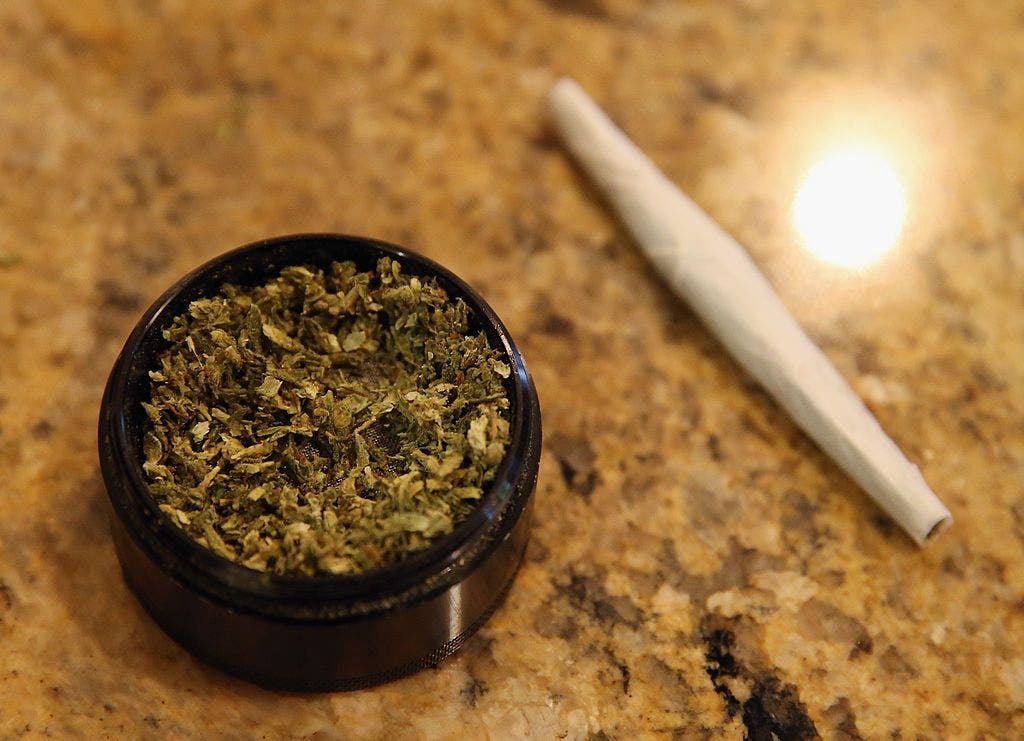
The debate over whether to legalize recreational use of marijuana in Connecticut drew a large number of advocates for and against the measure to the state capitol Wednesday.
Some legislators expressed concern for legalization at Wednesday’s hearing.
State Rep. William Petit (R-New Britain) said although he has a libertarian bent, he has great concerns over how legalizing recreational use would affect children and the mentally ill.
Find out what's happening in Greenwichfor free with the latest updates from Patch.
“I think until we can understand the effect of kids on society, it’s a big red flag,” he said.
State Senate President Pro Tempore Martin Looney, a Democrat argued that marijuana prohibition has been a failure for 80 years just like alcohol prohibition was a short-lived failure, according to the Greenwich Time.
Find out what's happening in Greenwichfor free with the latest updates from Patch.
A Quinnipiac University poll found that 63 percent of residents support legalizing marijuana in the state.
The Office of Fiscal Analysis estimated that Connecticut could eventually bring between $45 million and $104 million per year in additional revenue depending on how it’s taxed.
It is now legal to possess up to one ounce of marijuana in public in Massachusetts and up to 10 ounces at home. By summer 2018 retail stores will be allowed to sell it.
Looney said about 13 percent of the state population currently uses the drug.
Looney and other supporters of the bill could face a tough battle in getting it passed.
Some state Republicans have come out against the measure. Senate Republican leader Len Fasano said he believes his caucus is against it and the state shouldn’t legalize it simply to bring in additional revenue. Currently Connecticut’s senate is evenly split between Republicans and Democrats with any tiebreaker votes being cast by Lt. Gov. Nancy Wyman.
Gov. Dannel Malloy has also expressed concern over legalizing recreational use of the drug. He argued that the state would spend more in drug treatment and social costs than it would bring in from additional tax revenue.
Small amounts of marijuana were decriminalized in Connecticut during 2011. Malloy pushed for the measure as part of justice reform. Someone caught with less than half an ounce of marijuana can be fined $150 for their first offense.
Another bill he signed legalized medical use of marijuana.
Some argued that legalizing recreational use would put a big dent in black market sales.
“By legalizing and regulating it we will take control of the entire can market out of the hands of drug dealers on the street and put it into the hands of regulators,” said Joseph LaChance admissions director Northwestern Institute of Cannabis.
He said the current bill is structured similar to Colorado’s in that teenagers wouldn’t even be able to get through the door of a dispensary without proper identification. Comparatively, any teenager can walk into a liquor or grocery store and see alcohol. He also argued that damaging the marijuana black market would make it more difficult for teens to acquire the drug.
Outside of the legalization question Connecticut will also have to consider at what level to tax the drug.
If taxes drive the retail price too high then many users will continue to stick with a black market supplier or drive north to Massachusetts to purchase it there, said John Huddak, deputy director for the Center for Effective Public Management with the Brookings Institution. If it’s taxed too low then it won’t cover regulatory costs.
Opponents said that legalizing the drug could lead to more addiction and abuse. Yale University Professor Dr. Deepak D’Souza expressed concern that legalization would lead to more addiction, traffic crashes and use by the mentally ill.
He did say alcohol has a higher risk of addiction and that there isn’t compelling data either way regarding the hypothesis that marijuana is a “gateway drug” that leads to use of other illegal substances. Still, he said that while driving to the hearing he couldn’t think of a way that legalizing recreational use would benefit his family or society.
Credit: Bruce Bennett /Getty Staff
Get more local news delivered straight to your inbox. Sign up for free Patch newsletters and alerts.