Politics & Government
Greenwich Considering Creation Of Town Flag Policy
The Board of Selectmen on Thursday discussed a proposed flag policy for town-owned buildings and properties.


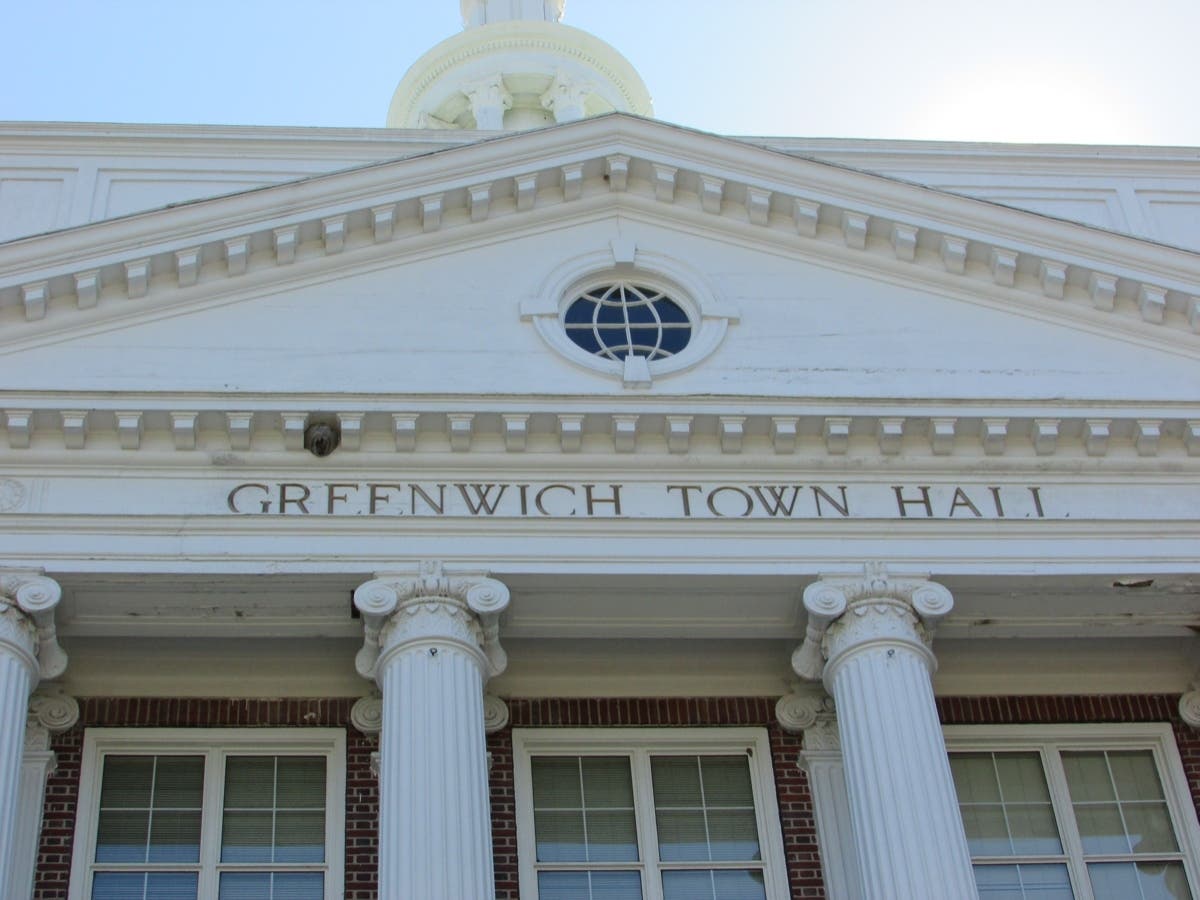
GREENWICH, CT — The Board of Selectmen is considering the creation of a flag policy for town-owned buildings and properties that First Selectman Fred Camillo says would enhance procedures and protect Greenwich from litigation while still allowing beloved traditions and celebrations to continue.
The board discussed the proposed policy for the first time Thursday during its regularly scheduled meeting.
Rather than instituting a full ban on all flags, except for the state, town and United States flag, which Darien decided to controversially do last year, or a "free for all" policy, the proposed policy would formalize a review process for the first selectman and the Board of Selectmen to approve flag-raising requests from the public in the future.
Find out what's happening in Greenwichfor free with the latest updates from Patch.
At the suggestion of state Rep. Stephen Meskers (D-150), who spoke briefly during Thursday's meeting, the board will now consider language in the policy that would grandfather in the flag ceremonies that have been held in town for years and make them an extension of government speech.
Selectperson Janet Stone McGuigan had expressed concerns about certain flags and celebrations that have become traditions in town, namely related to Pride and Juneteenth, being excluded as a result of a flag policy.
Find out what's happening in Greenwichfor free with the latest updates from Patch.
"What's driving all of my concern is I absolutely want to protect the town from potential hate, I also don't want to unintentionally create a tool for exclusion in any way," McGuigan said.
Selectperson Lauren Rabin noted the board has been "inclusive" since taking office, and she liked how the policy would establish procedure and awareness of the calendar. She also suggested offering blanket permission at the start of each year for planned celebrations.
Flags related to foreign national governments that maintain formal diplomatic relations with the U.S. would also be up to the discretion of the board, and there is also language in the proposed policy that offers guidance on when flags should be flown at half-staff.
The board did not take any action on the proposal, and plans to allow plenty of time for discussion and feedback before a vote is ultimately taken.
The board will next meet on Sept. 14 when the item will appear again on the agenda.
Camillo said in his weekly newsletter to the community on Friday morning that the board is not planning on holding a vote until Sept. 28.
Camillo said his intention with a policy was to get "something on the books" in order to protect the town from litigation. He noted he enjoyed the flag-raising ceremonies the town has held in the past, saying "they bring a lot of sense of community to us."
Assistant Town Attorney Laura McGeachy, who helped research and come up with the policy, said flag policies in municipalities have cropped up following a recent Supreme Court case out of Boston, Mass.
The court said the city of Boston violated the First Amendment of the Constitution by refusing to allow a Christian rights organization to raise a "Christian flag" on the city hall plaza flag pole.
Boston had no flag policy at the time.
"We started to get some requests from things we may have had to say no to, then my concern was if we said no and someone took us to court, we may not win, and I don't want to put the town through that expense," Camillo said. "This is a way for us to handle it."
McGeachy said flags flown by municipalities should be protected as government speech, and therefore, flag policies provide the proper standards.
Several members of the public spoke during Thursday's meeting and offered support for a flag policy while still having some concerns.
"I do think there's a danger here of decisions being made on the fly. I think that's a problem. I'd point out that the former president did not issue Pride proclamations as the previous presidents have done. He skipped it. This could happen here," said Lucy von Brachel. "[Pride] is not a national or state holiday. We need to be careful about these things."
Von Brachel also said some groups might feel their cause would not be supported by the board, and that could create controversy in itself.
"We're not eliminating controversy with this policy, we're just protecting ourselves from First Amendment violations," von Brachel added.
Karen Fassuliotis, who started and has organized the town's Greek Independence Day flag-raising and ceremony, expressed support for the flag policy. She urged the board to be careful in grandfathering in past ceremonies or offering blanket permission.
"You might forget one, and it didn't make the list for whatever reason, and you'd have to go back and amend it, and it becomes one of those snowball effects," she said.
Allison Kahn, one of the organizers of the annual Greenwich Pride event at town hall, said she has "a strong level of confidence" that town leaders today would continue to support traditions that have been established.
"I do support the flag policy as long as it enables those groups who have raised the flag previously to be allowed to continue their important traditions with the full support of the town," she said.
But she worried about the current political and social environment and if opening up public discussion on flags would put pressure on the board to make certain decisions in the future.
Kahn spoke about the importance of flags and what they represent.
She said the conversation about flags and flag policies stems from "a small but vocal minority of extremists" who have expressed "discontent about flags that have been raised in support of those most marginalized."
She referred to an incident from June when several signs with the word "Groomers" and an arrow pointing to the Pride flag were placed outside town hall following Greenwich's Pride celebration.
"We raise the flag so our children can feel proud, not fearful or ashamed. We raise the flag so that people know that our elected officials acknowledge our humanity," Kahn added. "We raise the flag to remind us how far we've come and how we can't go back. It's not a partisan issue. Symbols matter. The threats are real. Lowering a flag has long been a sign of surrender in the US. So let our flags fly high."
On the topic of the anti-LGBTQ lawn signs, Meskers also suggested tying in a proposal to install cameras in front of town hall.
The cameras that are in place now were out of sight and did not capture who left the signs.
Camillo said the town was already looking into it.
The original flag policy proposal can be viewed in Thursday's agenda.
Get more local news delivered straight to your inbox. Sign up for free Patch newsletters and alerts.